Polyclonal Antibodies
Anti-C/EBPα Polyclonal Antibody for WB, ELISA - P49715
Item Number : CM0023518
Price varies based on specs and customizations
- Application
- WB, ELISA
- Cross Reactivity
- Mouse
- Protein Weight
- 38kDa

Shipping:
Contact us to get shipping details Enjoy On-time Dispatch Guarantee.
Why Choose Us
Easy ordering process, quality products, and dedicated support for your business success.
Core Product Specifications and Parameters
| Parameter | Value |
|---|---|
| Product Name | C/EBPα Rabbit pAb |
| Remarks/Alias | CEBP; C/EBP-alpha; C/EBPα |
| Species | Human |
| GeneID (Human) | 1050 |
| GeneID | 1050 |
| Immunogen | synthetic peptide|A synthetic peptide corresponding to a sequence within amino acids 150-250 of human C/EBPα(NP_004355.2). |
| Source | Rabbit |
| Category | Polyclonal Antibodies |
| Application | WB, ELISA |
| Cross Reactivity | Mouse |
| SWISS | P49715 |
| Protein Weight | 38kDa |
| Shipping | Ice bag |
Biological Background: C/EBPα Function and Localization
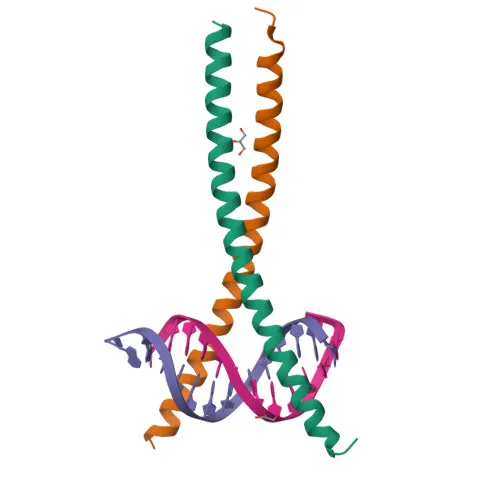
- Protein identity and gene family: C/EBPα, encoded by CEBPA, is a basic leucine zipper transcription factor of the CCAAT/enhancer-binding protein family.
- DNA binding and transcription activation: It specifically binds the consensus DNA sequence 5'-T[TG]NNGNAA[TG]-3' to activate transcription of target genes involved in differentiation and metabolism. Related references: PMID:11242107
- Cell differentiation and proliferation arrest: C/EBPα is essential for the terminal differentiation of myeloid progenitors, adipocytes, hepatocytes, and other cell types, enforcing proliferation arrest via E2F1 repression and SWI/SNF complex engagement. Related references: PMID:14660596
- Isoform function: An alternative isoform can act as a dominant-negative, binding DNA with reduced transactivation capacity and without inhibiting proliferation. Related references: PMID:14660596
- Tissue-specific roles: In the liver, it regulates gluconeogenesis and lipogenesis through FOXO1 and SREBF1 synergy; in adipose tissue, it coactivates FOXO1 to control adipokine expression.
- rDNA transcription and chromatin: C/EBPα enhances ribosomal DNA transcription by interacting with RNA polymerase I cofactors and inducing histone acetylation, linking it to nucleolar function and chromatin modification.
- Subcellular localization: It predominantly resides in the nucleus and nucleolus, consistent with its dual role in mRNA and rRNA synthesis.
- Post-translational regulation: Activity is modulated by phosphorylation, acetylation, and ubiquitination, as annotated in UniProt (keywords: Phosphoprotein, Acetylation, Ubl conjugation).
Experimental Guidance and Technical Tips
- The immunogen consists of a synthetic peptide from the central region (aa 150–250) of human C/EBPα; sequence alignment suggests potential cross-reactivity with mouse C/EBPα, consistent with the listed cross-reactivity.
- For Western blotting, a band at approximately 38 kDa is expected; we recommend optimizing primary antibody dilution and including appropriate positive controls (e.g., HepG2 or 3T3-L1 lysates).
- For ELISA applications, this polyclonal antibody may be used as a detection reagent; consider pairing with a monoclonal capture antibody for sandwich ELISA development.
- Since C/EBPα is a transcription factor, nuclear extracts or whole-cell lysates may improve detection sensitivity.
CamelBio: Your One-Stop Sourcing Bridge
CamelBio provides diagnostic manufacturers and research laboratories with integrated access to high-quality IVD raw materials. Our portfolio includes validated antibody pairs, optimized polyclonal and monoclonal antibodies, bulk ancillary reagents, and custom sourcing for rare targets like transcription factors. Supporting your projects from myelopoiesis research to metabolic disorder assay development, CamelBio streamlines your supply chain from concept to clinic.
REQUEST A QUOTE
Our professional team will reply to you within one business day. Please feel free to contact us!