Monoclonal Antibodies
Anti-CDX2 Rabbit Monoclonal Antibody for WB and ELISA - Q99626
Item Number : CM0003450
Price varies based on specs and customizations
- Application
- WB, ELISA
- Cross Reactivity
- Human, Mouse
- Protein Weight
- 34kDa

Shipping:
Contact us to get shipping details Enjoy On-time Dispatch Guarantee.
Why Choose Us
Easy ordering process, quality products, and dedicated support for your business success.
Core Product Specifications and Parameters
| Parameter | Value |
|---|---|
| Product Name | [KD Validated] CDX2 Rabbit mAb |
| Remarks/Alias | CDX3; CDX-3; CDX2/AS; X2 |
| Species | Human |
| Gene ID (Human) | 1045 |
| Gene ID | 1045 |
| Immunogen | Synthetic peptide corresponding to a sequence within amino acids 1-100 of human CDX2 (Q99626) |
| Source | Rabbit |
| Category | Monoclonal Antibodies |
| Application | WB, ELISA |
| Cross Reactivity | Human, Mouse |
| SWISS | Q99626 |
| Protein Weight | 34kDa |
| Shipping | Ice bag |
Biological Background: CDX2 Function and Localization
- CDX2 (Caudal-type homeobox protein 2), also known as CDX-3, is a 34 kDa homeobox transcription factor encoded by the CDX2 gene on human chromosome 13.
- CDX2 is a master regulator of intestinal epithelial development and maintenance, controlling the expression of multiple genes critical for differentiated intestinal function such as sucrase-isomaltase (SI), lactase-phlorizin hydrolase (LPH), and mucin MUC2.
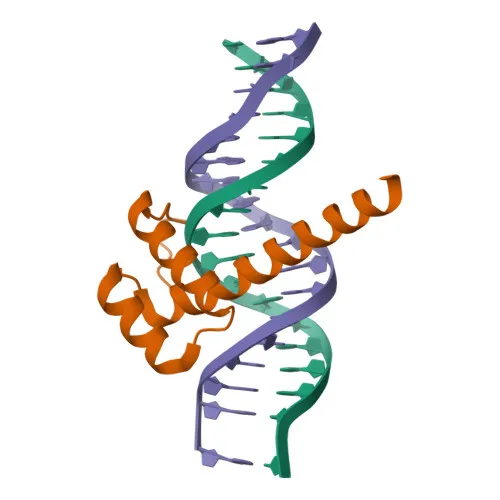
- CDX2 binds to specific AT-rich DNA sequences in target gene promoters and also preferentially recognizes methylated DNA, expanding its regulatory capacity. Related references: PMID:28473536
- CDX2 belongs to the caudal-related homeobox family, sharing structural similarity with CDX1 and CDX4, and contains a highly conserved homeodomain responsible for DNA binding.
- The protein is primarily localized to the nucleus, consistent with its role as a transcription factor, and is detected mainly in the small intestine, colon, and pancreas.
- Post-translational modifications such as phosphorylation and ubiquitination (as indicated by UniProt keywords) may modulate CDX2 stability and activity, influencing its role in intestinal homeostasis.
Experimental Guidance and Technical Tips
- For Western blot, consider using nuclear extracts from intestinal epithelial cell lines (e.g., Caco-2, HT-29) or colon tissue to enrich CDX2 signal. The predicted molecular weight is ~34 kDa.
- Since the immunogen targets the N-terminal region (amino acids 1–100), this antibody may detect full-length CDX2; verify with appropriate positive and negative controls, including siRNA knockdown lysates or knockout cell lines.
- In ELISA applications, the peptide immunogen can serve as a positive control to assess binding specificity. Validate performance in the relevant sample matrix, such as cell lysates or tissue homogenates from human or mouse sources.
CamelBio: Your One-Stop Sourcing Bridge
CamelBio serves as a comprehensive sourcing partner for IVD raw materials, supporting research in gastrointestinal biology and oncology. We provide validated antibody pairs, optimized monoclonal and polyclonal antibodies, bulk ancillary reagents, and access to rare-target raw materials—enabling efficient development of intestinal and colorectal biomarker assays. Whether you need this CDX2 antibody for prototyping or scaled production, CamelBio streamlines your supply chain from concept to clinic.
REQUEST A QUOTE
Our professional team will reply to you within one business day. Please feel free to contact us!