Monoclonal Antibodies
Anti-CDK6 Rabbit Monoclonal Antibody for WB, IP, IF/ICC, ELISA - Q00534
Item Number : CM0009042
Price varies based on specs and customizations
- Application
- WB, IP, IF/ICC, ELISA
- Cross Reactivity
- Human
- Protein Weight
- 37 kDa

Shipping:
Contact us to get shipping details Enjoy On-time Dispatch Guarantee.
Why Choose Us
Easy ordering process, quality products, and dedicated support for your business success.
Core Product Specifications and Parameters
| Parameter | Value |
|---|---|
| Product Name | CDK6 Rabbit mAb |
| Remarks/Alias | MCPH12; PLSTIRE |
| Species | Human |
| GeneID (human) | 1021 |
| GeneID | 1021 |
| Immunogen | A synthetic peptide corresponding to a sequence within amino acids 227-326 of human CDK6 (NP_001250.1) |
| Source | Rabbit |
| Category | Monoclonal Antibodies |
| Application | WB, IP, IF/ICC, ELISA |
| Cross Reactivity | Human |
| SWISS | Q00534 |
| Protein Weight | 37 kDa |
| Shipping | Ice bag |
Biological Background: CDK6 Function and Localization
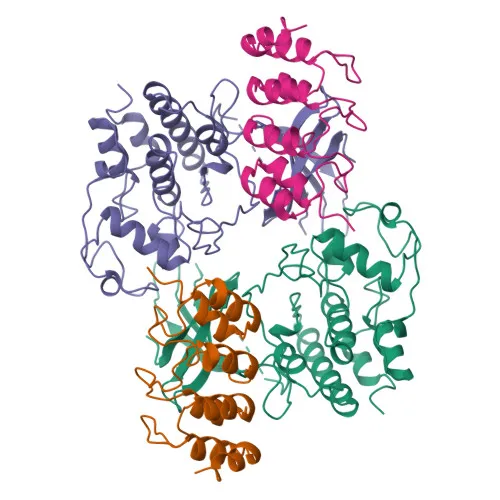
- CDK6 is a serine/threonine-protein kinase, also known as cell division protein kinase 6 or PLSTIRE, encoded by the CDK6 gene on human chromosome 7.
- It plays a pivotal role in controlling the G1/S transition of the cell cycle by phosphorylating the retinoblastoma protein pRB/RB1 and nucleophosmin NPM1, promoting cell cycle progression.
- CDK6 interacts with D-type cyclins during G1 and is essential for initiating and maintaining cell cycle exit during differentiation; it prevents proliferation in some contexts but is required for proliferation of specific cell types like erythroid and hematopoietic progenitors.
- The kinase is critical for proliferation in neuronal niches (dentate gyrus and subventricular zone), thymocyte development, and pancreatic beta-cell expansion, modulating G1 length and promoting newborn neuron production.
- CDK6 may play a role in centrosome organization during cell cycle phases (PubMed:23918663) Related references: PMID:23918663
- It is expressed ubiquitously, with elevated levels in squamous cell carcinomas, proliferating hematopoietic progenitor cells, beta-cells of pancreatic islets, and neuroblastomas; levels decline during differentiation.
- Subcellular localization spans the cytoplasm, nucleus, cell ruffles, and centrosome, reflecting its dynamic roles in signaling and cytoskeletal reorganization.
- The protein undergoes acetylation and phosphorylation, and mutations in CDK6 are associated with primary microcephaly, underscoring its importance in neurodevelopment.
Experimental Guidance and Technical Tips
- The immunogen is a synthetic peptide from the C-terminal region (aa 227-326) of human CDK6, which may confer specificity over other CDK family members; consider verifying cross-reactivity in your assay if using non-human samples.
- For Western blot, anticipate a band at approximately 37 kDa (calculated MW from UniProt: 36.9 kDa); include appropriate molecular weight markers and validate detection conditions in your sample system.
- Suitable for immunoprecipitation (IP) and immunofluorescence/immunocytochemistry (IF/ICC) – expect cytoplasmic and nuclear staining with possible centrosomal localization; optimize fixation and permeabilization protocols.
- ELISA reactivity suggests utility in quantitative protein detection; users should determine optimal antibody and antigen concentrations for their specific assay format.
- Given CDK6 expression in various cancers and proliferating cells, this antibody can be a useful tool in oncology and cell biology research—always include positive and negative controls relevant to your experimental context.
CamelBio: Your One-Stop Sourcing Bridge
CamelBio provides diagnostic manufacturers, labs, and research institutes with one-stop access to IVD raw materials, technical services, and consulting—covering every stage from concept to clinic. For CDK6, a critical cell cycle kinase in cancer and developmental research, CamelBio offers validated antibody pairs, optimized monoclonal/polyclonal antibodies, and bulk ancillary reagents to streamline your assay development. Our rare target raw-material sourcing ensures you have the essential components for CDK6-focused investigations, from discovery through clinical translation.
Product Datasheet
Anti-CDK6 Rabbit Monoclonal Antibody for WB, IP, IF/ICC, ELISA - Q00534
REQUEST A QUOTE
Our professional team will reply to you within one business day. Please feel free to contact us!