Polyclonal Antibodies
Anti-CD96 Polyclonal Antibody for WB, ELISA - P40200
Item Number : CM0024294
Price varies based on specs and customizations
- Application
- WB, ELISA
- Cross Reactivity
- Human, Mouse, Rat
- Protein Weight
- 66kDa

Shipping:
Contact us to get shipping details Enjoy On-time Dispatch Guarantee.
Why Choose Us
Easy ordering process, quality products, and dedicated support for your business success.
Core Product Specifications and Parameters
| Parameter | Value |
|---|---|
| Product Name | CD96 Rabbit pAb |
| Remarks/Alias | TACTILE; CD96 |
| Species | Human |
| GeneID (Human) | 10225 |
| GeneID | 10225 |
| Immunogen | Recombinant fusion protein containing a sequence corresponding to amino acids 270-370 of human CD96 (NP_937839.1). |
| Source | Rabbit |
| Category | Polyclonal Antibodies |
| Application | WB, ELISA |
| Cross Reactivity | Human,Mouse,Rat |
| SWISS | P40200 |
| Protein Weight | 66kDa |
| Shipping | Ice bag |
Biological Background: CD96 Function and Localization
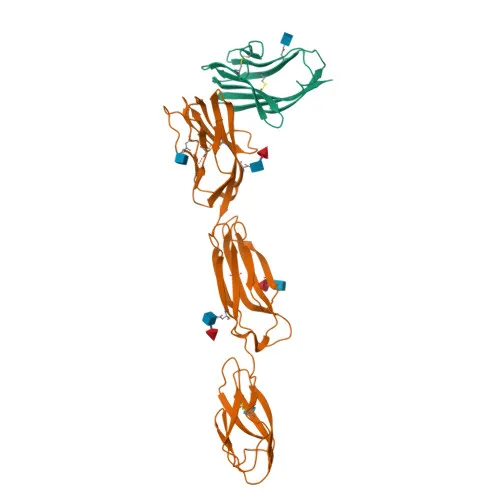
- CD96, also known as T-cell surface protein tactile or TACTILE, is a transmembrane glycoprotein belonging to the immunoglobulin superfamily.
- It plays a role in adhesive interactions of activated T lymphocytes and natural killer (NK) cells during the late phase of the immune response.
- CD96 promotes NK cell-target adhesion by binding to poliovirus receptor (PVR/CD155) on target cells, facilitating immune engagement of diseased cells within inflamed tissues.
- The protein is localized to the plasma membrane (membrane-bound receptor), consistent with its function in cell-cell adhesion.
- Expression is restricted to normal T-cell lines and clones, some transformed T-cells, and very low levels on activated B-cells; it is not detected on other common cultured cell lines.
- Alternative splicing, glycosylation, and disulfide bond formation are key post-translational features, and mutations in CD96 have been associated with craniosynostosis and chromosomal rearrangements (Keywords: Alternative splicing, Disulfide bond, Glycoprotein, Disease variant, Craniosynostosis).
Experimental Guidance and Technical Tips
- The immunogen corresponds to amino acids 270–370 of human CD96, a region within the extracellular domain. Consider that the antibody may recognize both glycosylated and unglycosylated forms; validate by comparing lysates with and without deglycosylation in WB.
- For Western blotting, the predicted molecular weight is ~66 kDa; however, due to glycosylation and other modifications, the observed band may appear higher. Run appropriate positive controls using human T-cell or NK cell lines.
- In ELISA, this polyclonal antibody can be utilized for capture or detection of recombinant or endogenous CD96. Titrate the antibody to determine optimal working dilutions for your specific assay system.
- Reported cross-reactivity with mouse and rat indicates shared epitopes; preliminary testing in those species is advised to confirm specificity and signal intensity relative to human samples.
CamelBio: Your One-Stop Sourcing Bridge
CamelBio provides diagnostic manufacturers, labs, and research institutes with one-stop access to IVD raw materials, including validated antibody pairs, optimized monoclonal/polyclonal antibodies, and bulk ancillary reagents. For CD96-related research and immunoassay development, we offer this high-quality polyclonal antibody alongside sourcing support for rare targets and custom material procurement. Partner with CamelBio to streamline your supply chain from discovery to clinical application.
REQUEST A QUOTE
Our professional team will reply to you within one business day. Please feel free to contact us!