Polyclonal Antibodies
Anti-CD9 Rabbit Polyclonal Antibody for WB, IHC-P, ELISA - P21926
Item Number : CM0019823
Price varies based on specs and customizations
- Application
- WB, IHC-P, ELISA
- Cross Reactivity
- Human, Mouse, Rat
- Protein Weight
- 25kDa

Shipping:
Contact us to get shipping details Enjoy On-time Dispatch Guarantee.
Why Choose Us
Easy ordering process, quality products, and dedicated support for your business success.
Core Product Specifications and Parameters
| Parameter | Value |
|---|---|
| Product Name | CD9 Rabbit pAb |
| Remarks/Alias | MIC3; MRP-1; BTCC-1; DRAP-27; TSPAN29; TSPAN-29; CD9 |
| Species | Human |
| GeneID (Human) | 928 |
| GeneID | 928 |
| Immunogen | Recombinant fusion protein containing a sequence corresponding to amino acids 112-195 of human CD9 (NP_001760.1). |
| Source | Rabbit |
| Category | Polyclonal Antibodies |
| Application | WB, IHC-P, ELISA |
| Cross Reactivity | Human, Mouse, Rat |
| SWISS | P21926 |
| Protein Weight | 25kDa |
| Shipping | Ice bag |
Biological Background: CD9 Function and Localization
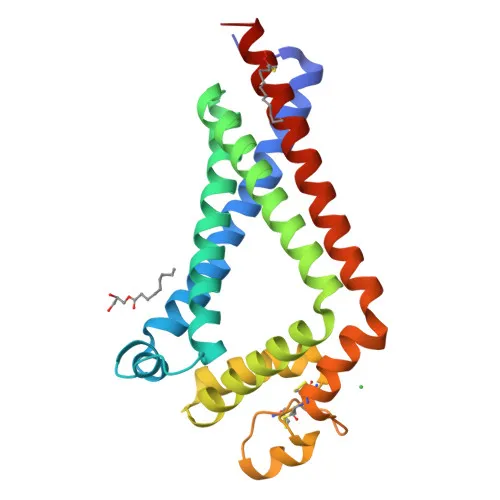
- CD9, also known as MIC3, MRP-1, BTCC-1, DRAP-27, TSPAN29, and p24, is a member of the tetraspanin superfamily. It is a 25 kDa integral membrane protein with four transmembrane domains and two extracellular loops.
- CD9 plays a critical role in sperm-egg fusion by organizing multiprotein complexes at the oocyte surface, essential for fertilization (By similarity).
- In platelets, CD9 regulates activation and aggregation, contributing to hemostasis and thrombosis (PubMed:18541721). Related references: PMID:18541721
- CD9 is involved in cell adhesion, motility, and tumor metastasis through interactions with integrins and other tetraspanins (PubMed:7511626, PubMed:8478605). Related references: PMID:7511626 PMID:8478605
- In macrophages, CD9 associates with CD81 and beta-1 and beta-2 integrins to prevent fusion into multinucleated giant cells, regulating inflammatory responses (PubMed:12796480). Related references: PMID:12796480
- CD9 also inhibits myotube fusion during muscle regeneration and osteoclast fusion, highlighting its role in cell-cell fusion processes (By similarity).
- Subcellularly, CD9 is localized to the cell membrane, secreted via extracellular exosomes, and found in membrane compartments (SUBCELLULAR LOCATION).
- Keywords indicate CD9 undergoes palmitoylation (lipoprotein) and disulfide bond formation, and it has been identified by direct protein sequencing and proteomics.
Experimental Guidance and Technical Tips
- The immunogen (amino acids 112–195) corresponds to the large extracellular loop (EC2) of CD9, commonly targeted for detecting cell surface CD9. Consider this reactivity when designing experiments.
- For WB, the predicted molecular weight is 25 kDa, but CD9 may appear as a broad band or at a higher apparent molecular weight due to post-translational modifications such as glycosylation and palmitoylation. Validate in the relevant sample system.
- For IHC-P, antigen retrieval may be required; consider testing on positive control tissues (e.g., tonsil, placenta) and validate in the target tissue of interest.
- For ELISA, the antibody can be considered as a capture or detection reagent, but pairing validation is recommended to ensure optimal performance.
- As a polyclonal antibody, note possible lot-to-lot variability; validate each new lot in your specific application.
CamelBio: Your One-Stop Sourcing Bridge
CamelBio provides diagnostic manufacturers, labs, and research institutes with one-stop access to IVD raw materials, including this high-quality anti-CD9 rabbit polyclonal antibody. Our catalog supports research into cell adhesion, tumor metastasis, and platelet biology with validated reagents and customizable sourcing solutions. From single antibodies to bulk ancillary reagents, CamelBio accelerates your development from concept to clinic.
REQUEST A QUOTE
Our professional team will reply to you within one business day. Please feel free to contact us!