Polyclonal Antibodies
Anti-CD81 Rabbit Polyclonal Antibody for WB, ELISA - P35762
Item Number : CM0020856
Price varies based on specs and customizations
- Application
- WB, ELISA
- Cross Reactivity
- Mouse, Rat
- Protein Weight
- 25 kDa

Shipping:
Contact us to get shipping details Enjoy On-time Dispatch Guarantee.
Why Choose Us
Easy ordering process, quality products, and dedicated support for your business success.
Core Product Specifications and Parameters
| Parameter | Value |
|---|---|
| Product Name | CD81 Rabbit pAb |
| Remarks/Alias | Tapa1; Tapa-1; Tspan28; CD81 |
| Species | Mouse |
| Gene ID (Human) | 975 |
| Gene ID (Mouse) | 12520 |
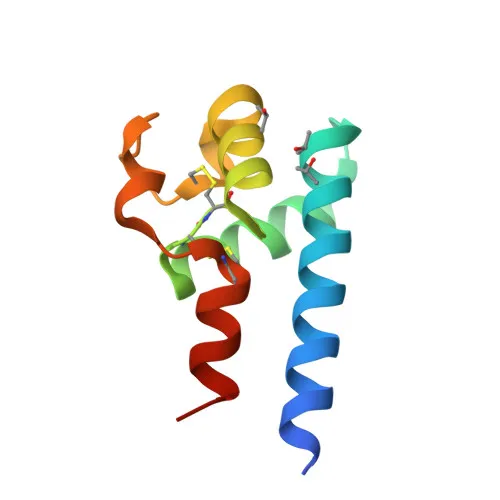
| Immunogen | Recombinant fusion protein containing a sequence corresponding to amino acids 106-211 of mouse CD81 (NP_598416.1) |
| Source | Rabbit |
| Category | Polyclonal Antibodies |
| Application | WB, ELISA |
| Cross Reactivity | Mouse, Rat |
| SWISS | P35762 |
| Protein Weight | 25 kDa |
| Shipping | Ice bag |
Biological Background: CD81 (TAPA-1) Function and Localization
- CD81, also known as TAPA-1 or Tspan28, is a 25 kDa member of the tetraspanin superfamily and serves as a structural component of tetraspanin-enriched microdomains (TERMs) that organize receptor clustering and signaling at the cell membrane.
- In B cells, CD81 is essential for CD19 receptor trafficking and compartmentalization, facilitating the assembly of CD19-CR2 and B cell receptor complexes at TERMs to lower the antigen threshold required for clonal expansion and humoral immunity.
Related references: PMID:23499492 - In T cells, CD81 associates with CD4/CD8 coreceptors and modulates immune synapse maturation by localizing CD3; this costimulatory role sustains activation and preferentially drives T helper type 2 responses.
Related references: PMID:11046035 - CD81 acts as a negative regulator of cell–cell fusion: it inhibits myotube formation in regenerating muscle, prevents macrophage multinucleated giant cell formation, and blocks osteoclastogenesis from mononuclear progenitors.
Related references: PMID:23575678 - In reproduction, CD81 positively regulates sperm–egg fusion, may participate in the acrosome reaction, and is expressed in oocytes and granulosa cells.
Related references: PMID:16380109, PMID:17290409 - CD81 also controls protein trafficking and migration: it directs SAMHD1 for proteasomal degradation in T cells and modulates integrin-dependent macrophage migration critical for lung inflammatory responses.
Related references: PMID:18662991 - The protein localizes to the cell membrane with enrichment at the basolateral domain in polarized cells, consistent with its role in membrane microdomain organization.
- CD81 contains four transmembrane helices, conserved disulfide‑bonded extracellular cysteines, and undergoes palmitoylation, which collectively stabilize its topology and lipid‑raft association.
Experimental Guidance and Technical Tips
- The immunogen corresponds to amino acids 106–211 of mouse CD81, which encompasses part of the large extracellular loop; verify reactivity with full‑length endogenous protein and consider the impact of post‑translational modifications in your sample system.
- For Western blotting, CD81 typically migrates at ~25 kDa; include appropriate positive and negative controls and validate detection with known loading controls.
- For ELISA applications, optimize coating and detection conditions in your specific assay format (e.g., indirect or sandwich) and confirm specificity with recombinant protein or peptide competition.
- Given the antibody’s cross‑reactivity with rat, it may be suitable for rat‑derived samples; validate performance in the relevant species and tissue context.
- CD81 functions in immune signaling microdomains; when studying its role, consider cell stimulation protocols or membrane fractionation to enrich for tetraspanin‑enriched compartments.
CamelBio: Your One‑Stop Sourcing Bridge
CamelBio is a comprehensive IVD raw‑material partner, delivering high‑quality reagents such as this CD81 polyclonal antibody to support immune‑cell signaling and host‑pathogen research. From validated antibody pairs and optimized monoclonal/polyclonal antibodies to bulk ancillary reagents and custom sourcing for rare targets, CamelBio streamlines procurement for diagnostic manufacturers and laboratories—ensuring reliable supply from concept to clinic.
REQUEST A QUOTE
Our professional team will reply to you within one business day. Please feel free to contact us!