Polyclonal Antibodies
Anti-CD66d/CEACAM3 Polyclonal Antibody for WB, ELISA - P40198
Item Number : CM0027836
Price varies based on specs and customizations
- Application
- WB, ELISA
- Cross Reactivity
- Human, Mouse
- Protein Weight
- 27kDa

Shipping:
Contact us to get shipping details Enjoy On-time Dispatch Guarantee.
Why Choose Us
Easy ordering process, quality products, and dedicated support for your business success.
Core Product Specifications and Parameters
| Parameter | Value |
|---|---|
| Product Name | CD66d/CEACAM3 Rabbit pAb |
| Remarks/Alias | CEA; CGM1; W264; W282; CD66D; CD66d/CEACAM3 |
| Species | Human |
| Gene ID (Human) | 1084 |
| Gene ID | 1084 |
| Immunogen | Recombinant fusion protein containing a sequence corresponding to amino acids 1-135 of human CD66d/CEACAM3 (NP_001806.2). |
| Source | Rabbit |
| Category | Polyclonal Antibodies |
| Application | WB, ELISA |
| Cross Reactivity | Human, Mouse |
| SWISS | P40198 |
| Protein Weight | 27kDa |
| Shipping | Ice bag |
Biological Background: CD66d/CEACAM3 Function and Localization
- CEACAM3, also designated CD66d or CGM1, is a cell adhesion molecule belonging to the carcinoembryonic antigen (CEA) family and functions as a major granulocyte receptor for CEACAM-binding pathogens.
- It mediates opsonin-independent phagocytosis of microorganisms such as Neisseria, Moraxella, and Haemophilus species, playing a critical role in innate immune clearance.
- The protein is highly granulocyte-specific; its predominant transcript CGM1a is not detected outside the granulocytic lineage, including monocytes, lymphocytes, and a broad panel of tissues.
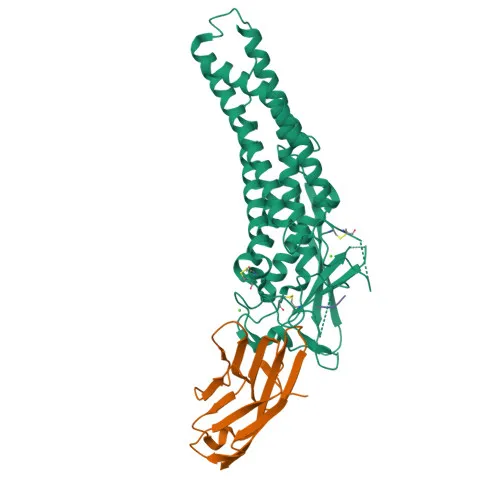
- CEACAM3 is a transmembrane protein located at the plasma membrane and contains an immunoglobulin domain essential for pathogen recognition.
- Upon pathogen engagement, CEACAM3 stimulates RAC1, a Rho GTPase that triggers actin cytoskeleton rearrangements necessary for phagocytosis.
- According to UniProt, the protein undergoes alternative splicing and is annotated as a glycoprotein and phosphoprotein; its predicted molecular weight is approximately 27 kDa.
Experimental Guidance and Technical Tips
- The immunogen corresponds to the N-terminal extracellular region (amino acids 1–135), which includes the immunoglobulin domain; this may allow recognition of the ligand-binding site.
- For Western blot, consider using granulocyte-derived cell lines or primary neutrophil lysates and validate endogenous CEACAM3 expression due to its restricted tissue specificity.
- In ELISA applications, assess reactivity against recombinant CEACAM3 protein and include appropriate negative controls to confirm specificity.
- As a polyclonal antibody, it may display lot-to-lot variability; titration and consistency testing are advisable for quantitative assays.
- The reported cross-reactivity with mouse suggests conserved epitopes; however, optimize assay conditions if switching between species.
CamelBio: Your One-Stop Sourcing Bridge
CamelBio is your comprehensive partner for IVD raw-material sourcing, offering this anti-CEACAM3 antibody to support innate immunity and infectious disease assay development. We provide one-stop access to validated antibody pairs, monoclonal and polyclonal reagents, bulk ancillary materials, and technical consulting to streamline your project from concept to clinic. Whether you need off-the-shelf products or custom rare-target sourcing, CamelBio bridges your research needs with reliable supply.
REQUEST A QUOTE
Our professional team will reply to you within one business day. Please feel free to contact us!