Monoclonal Antibodies
Anti-CD59 Rabbit Monoclonal Antibody for WB, ELISA - P13987
Item Number : CM0006851
Price varies based on specs and customizations
- Application
- WB, ELISA
- Cross Reactivity
- Human
- Protein Weight
- 14 kDa

Shipping:
Contact us to get shipping details Enjoy On-time Dispatch Guarantee.
Why Choose Us
Easy ordering process, quality products, and dedicated support for your business success.
Core Product Specifications and Parameters
| Parameter | Specification |
|---|---|
| Product Name | CD59 Rabbit mAb |
| Remarks/Alias | 1F5; EJ16; EJ30; EL32; G344; MIN1; MIN2; MIN3; MIRL; HRF20; MACIF; MEM43; MIC11; MSK21; 16.3A5; HRF-20; MAC-IP; p18-20; CD59 |
| Species | Human |
| GeneID (human) | 966 |
| GeneID | 966 |
| Immunogen | Synthetic Peptide|A synthetic peptide corresponding to a sequence within amino acids 26-126 of human CD59. (NP_000602.1) |
| Source | Rabbit |
| Category | Monoclonal Antibodies |
| Application | WB, ELISA |
| Cross Reactivity | Human |
| SWISS | P13987 |
| Protein Weight | 14 kDa |
| Shipping | Ice bag |
Biological Background: CD59 Function and Localization
- CD59 glycoprotein (protectin, HRF-20, MAC-IP, MIRL) is a potent inhibitor of the complement membrane attack complex (MAC), protecting human cells from complement-mediated lysis. Related references: PMID:11882685, PMID:1698710, PMID:2475111
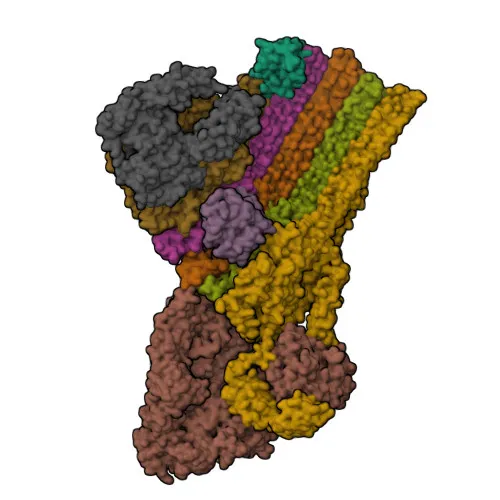
- It acts by binding to C8 and C9 components of the MAC, forming an intermolecular beta-sheet that blocks incorporation of multiple C9 molecules, thereby preventing osmolytic pore formation. Related references: PMID:36797260
- The soluble form of CD59, found in urine, retains complement binding activity but shows greatly reduced MAC inhibition on cell membranes.
- CD59 is localized to the cell membrane via a GPI anchor and is also secreted.
- It is a glycoprotein with disulfide bonds and is annotated as a lipoprotein in UniProt.
- Genetic defects in CD59 cause hereditary hemolytic anemia due to increased complement-mediated red cell lysis.
Experimental Guidance and Technical Tips
- The antibody was raised against a synthetic peptide covering amino acids 26–126 of human CD59, which includes the MAC-binding domain. This immunogen design aims for recognition of the native protein in relevant assays.
- For Western blot, consider using whole-cell lysates from human cell lines (e.g., HeLa, Jurkat) that express CD59. Under reducing conditions, the protein may migrate as a band around 14–20 kDa due to glycosylation.
- For ELISA, the peptide-based immunogen may provide high specificity; validate in direct or sandwich ELISA formats using recombinant CD59 or the immunogen peptide as positive controls.
- Optimize antibody dilutions and detection conditions in your specific experimental system, as performance can vary with sample preparation and buffer conditions.
CamelBio: Your One-Stop Sourcing Bridge
CamelBio offers diagnostic manufacturers and laboratories a comprehensive one-stop sourcing channel for IVD raw materials, including validated antibody pairs, optimized monoclonal and polyclonal antibodies, and bulk ancillary reagents. This anti-CD59 antibody supports complement research and assay development, while CamelBio assists in fulfilling your broader procurement needs—from rare target antibodies to custom reagent sourcing—to streamline your transition from concept to clinic.
REQUEST A QUOTE
Our professional team will reply to you within one business day. Please feel free to contact us!