Polyclonal Antibodies
Anti-CD26/DPP4 Polyclonal Antibody for WB, ELISA - P27487
Item Number : CM0020984
Price varies based on specs and customizations
- Application
- WB, ELISA
- Cross Reactivity
- Rat
- Protein Weight
- 88kDa

Shipping:
Contact us to get shipping details Enjoy On-time Dispatch Guarantee.
Why Choose Us
Easy ordering process, quality products, and dedicated support for your business success.
Core Product Specifications and Parameters
| Parameter | Value |
|---|---|
| Product Name | CD26/DPP4 Rabbit pAb |
| Remarks/Alias | CD26; ADABP; ADCP2; DPPIV; TP103; CD26/DPP4 |
| Species | Human |
| GeneID (Human) | 1803 |
| GeneID | 1803 |
| Immunogen | Recombinant protein corresponding to a sequence within amino acids 29-766 of human CD26/DPP4 (NP_001926.2) |
| Source | Rabbit |
| Category | Polyclonal Antibodies |
| Application | WB, ELISA |
| Cross Reactivity | Rat |
| SWISS | P27487 |
| Protein Weight | 88kDa |
| Shipping | Ice bag |
Biological Background: CD26/DPP4 Function and Localization
- CD26/DPP4 (Dipeptidyl peptidase 4) is a multifunctional type II transmembrane glycoprotein that acts as a serine exopeptidase and a costimulatory receptor essential for T-cell activation. It cleaves N-terminal dipeptides from polypeptides with a penultimate proline or alanine, regulating the activity of numerous chemokines, growth factors, and peptide hormones.
- Beyond its enzymatic activity, CD26/DPP4 serves as a crucial costimulatory molecule in T-cell receptor (TCR)-mediated signaling. It interacts with ADA, CAV1, IGF2R, and PTPRC to positively regulate T-cell coactivation, proliferation, and NF-kappa-B activation. Related references: PMID:10900005 PMID:10951221 PMID:11772392 PMID:17287217
- The protein is predominantly localized to the plasma membrane, enriched at apical cell surfaces, lamellipodia, invadopodia, membrane rafts, and cell junctions. A soluble form is also secreted. It is highly expressed on activated T cells, lymphatic endothelial cells, and certain epithelial cells, with low expression in colon.
- CD26/DPP4 plays a key role in extracellular matrix (ECM) remodeling by associating with fibroblast activation protein alpha (FAP), facilitating proteolysis, endothelial cell migration, and invasion. It also promotes lymphangiogenesis by enhancing lymphatic endothelial cell adhesion, migration, and tube formation. Related references: PMID:10593948 PMID:16651416 PMID:18708048
- Overexpression of CD26/DPP4 enhances cell proliferation, a process inhibited by glypican-3 (GPC3). Additionally, it is involved in lymphocyte-epithelial cell adhesion through interaction with adenosine deaminase (ADA). Related references: PMID:17549790
- CD26/DPP4 functions as a receptor for the human coronavirus MERS-CoV, mediating viral entry into host cells. It is also known as T-cell activation antigen CD26, ADABP, ADCP2, DPPIV, and TP103.
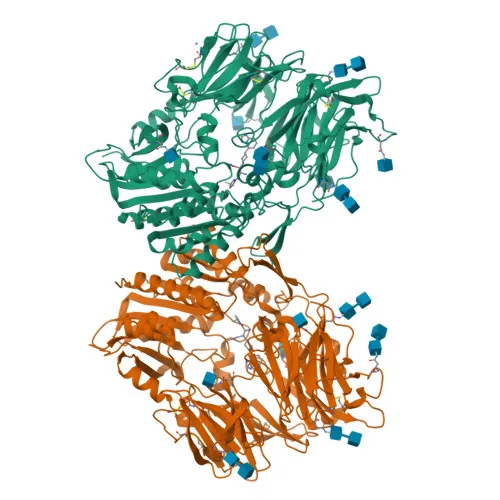
- The protein undergoes several post-translational modifications, including N‑glycosylation and disulfide bond formation, and its molecular weight is approximately 88 kDa (observed) versus 88,279 Da (predicted). Key structural features include a short cytoplasmic tail, a single transmembrane domain, and a large extracellular region containing the catalytic domain.
Experimental Guidance and Technical Tips
- The immunogen corresponds to amino acids 29–766 of human CD26/DPP4, covering nearly the entire extracellular domain. This broad region may offer recognition of multiple epitopes, suitable for detecting both glycosylated and non-glycosylated forms.
- For Western blotting, the predicted molecular weight is ~88 kDa; however, the observed band may appear slightly higher due to glycosylation. Validate the antibody in your sample system, and consider using appropriate positive controls such as Jurkat or Caco‑2 cell lysates.
- In ELISA applications, the polyclonal nature can provide sensitive detection of soluble CD26/DPP4. Confirm cross-reactivity with rat samples as indicated, but verify performance in your specific assay setup.
- Due to CD26/DPP4's expression on activated T cells and lymphatic endothelia, consider including activation or differentiation stimuli in your cell‑based experiments to enhance signal.
CamelBio: Your One-Stop Sourcing Bridge
As your trusted partner in IVD raw material supply, CamelBio provides comprehensive access to high‑quality antibodies, recombinant proteins, and ancillary reagents for diagnostic and research applications. This anti‑CD26/DPP4 polyclonal antibody supports T‑cell‑mediated immunity and virology studies, and can be sourced alongside validated antibody pairs, optimized monoclonal alternatives, and bulk‑scale ancillary materials. Whether you need rare target sourcing or production‑grade volumes, CamelBio bridges the gap from concept to clinical application.
REQUEST A QUOTE
Our professional team will reply to you within one business day. Please feel free to contact us!