Polyclonal Antibodies
Anti-CD172a/SIRPα Polyclonal Antibody for WB, IF/ICC, ELISA - P78324
Item Number : CM0026579
Price varies based on specs and customizations
- Application
- WB, IF/ICC, ELISA
- Cross Reactivity
- Human, Mouse, Rat
- Protein Weight
- 55 kDa

Shipping:
Contact us to get shipping details Enjoy On-time Dispatch Guarantee.
Why Choose Us
Easy ordering process, quality products, and dedicated support for your business success.
Core Product Specifications and Parameters
| Parameter | Value |
|---|---|
| Product Name | CD172a/SIRPα Rabbit pAb |
| Remarks/Alias | BIT; MFR; P84; SIRP; MYD-1; SHPS1; CD172A; PTPNS1; CD172a/SIRPα |
| Species | Human |
| GeneID (human) | 140885 |
| GeneID | 140885 |
| Immunogen | Recombinant fusion protein containing a sequence corresponding to amino acids 220-375 of human CD172a/SIRPα (NP_542970.1) |
| Source | Rabbit |
| Category | Polyclonal Antibodies |
| Application | WB, IF/ICC, ELISA |
| Cross Reactivity | Human, Mouse, Rat |
| SWISS | P78324 |
| Protein Weight | 55 kDa |
| Shipping | Ice bag |
Biological Background: CD172a/SIRPα Function and Localization
- SIRPα (also known as SHPS-1, CD172a, p84) is a tyrosine-protein phosphatase non-receptor type substrate 1 encoded by the SIRPA gene in humans.
- Functions as an immunoglobulin-like cell surface receptor for CD47, acting as a docking protein that recruits PTPN6 and PTPN11 to the plasma membrane upon activation.
- Negatively regulates receptor tyrosine kinase-coupled signaling triggered by cell adhesion, growth factors, or insulin, and mediates inhibition of phagocytosis, mast cell activation, and dendritic cell maturation.
- Binding to CD47 on T-cells and other cells prevents maturation of immature dendritic cells and suppresses cytokine production by mature dendritic cells.
- Serves as a receptor for thrombospondin-1 (THBS1), which stimulates SIRPα phosphorylation and triggers NADPH oxidase-derived ROS production in non-phagocytic cells. Related references: PMID:24511121
- Plays a role in antiviral immunity by limiting new world arenavirus infection through decreased virus internalization.
- Highly expressed in brain and detected on myeloid cells, but not T-cells; also found at lower levels in heart, placenta, lung, testis, ovary, colon, liver, small intestine, prostate, spleen, kidney, skeletal muscle, and pancreas.
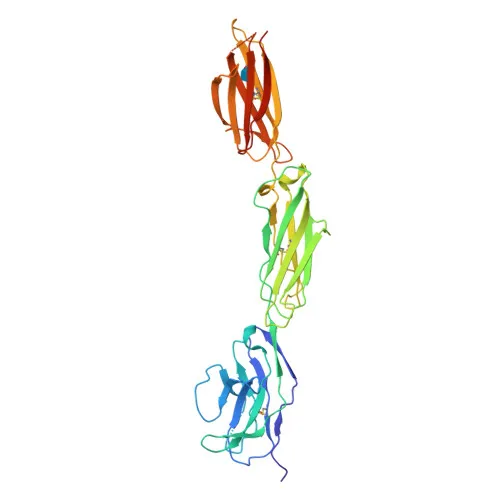
- Post-translationally modified: contains disulfide bonds, glycosylation, and phosphorylation; belongs to the immunoglobulin superfamily with three Ig-like domains and undergoes alternative splicing.
Experimental Guidance and Technical Tips
- The immunogen covers amino acids 220-375 within the cytoplasmic domain, making it suitable for detecting total SIRPα protein by Western blotting (WB).
- For immunofluorescence/immunocytochemistry (IF/ICC), consider permeabilization protocols to allow antibody access to the intracellular epitope.
- Validate antibody specificity using control cell lines with known SIRPα expression levels (e.g., brain tissue or myeloid cells) and appropriate negative controls.
- Cross-reactivity with mouse and rat SIRPα has been reported; however, individual experimental conditions may vary; confirm performance in your specific sample system.
CamelBio: Your One-Stop Sourcing Bridge
CamelBio serves as a one-stop sourcing partner for IVD raw materials, providing research-grade and bulk quantities of antibodies, antigens, and ancillary reagents. This anti-CD172a/SIRPα polyclonal antibody supports studies in immune checkpoint biology, phagocytosis regulation, and neurodevelopmental signaling. Beyond individual products, CamelBio offers validated antibody pairs, optimized monoclonal/polyclonal antibodies, and custom sourcing for rare targets to accelerate your diagnostic development from concept to clinic.
REQUEST A QUOTE
Our professional team will reply to you within one business day. Please feel free to contact us!