Polyclonal Antibodies
Anti-CD163 Polyclonal Antibody for WB, IHC-P, IF/ICC, ELISA - Q86VB7
Item Number : CM0026152
Price varies based on specs and customizations
- Application
- WB, IHC-P, IF/ICC, ELISA
- Cross Reactivity
- Human, Mouse, Rat
- Protein Weight
- 125kDa

Shipping:
Contact us to get shipping details Enjoy On-time Dispatch Guarantee.
Why Choose Us
Easy ordering process, quality products, and dedicated support for your business success.
Core Product Specifications and Parameters
| Parameter | Value |
|---|---|
| Product Name | CD163 Rabbit pAb |
| Remarks/Alias | M130; MM130; SCARI1; CD163 |
| Species | Human |
| GeneID (human) | 9332 |
| GeneID | 9332 |
| Immunogen | Synthetic peptide/A synthetic peptide corresponding to a sequence within amino acids 750-1050 of human CD163 (NP_004235.4?). |
| Source | Rabbit |
| Category | Polyclonal Antibodies |
| Application | WB, IHC-P, IF/ICC, ELISA |
| Cross Reactivity | Human, Mouse, Rat |
| SWISS | Q86VB7 |
| Protein Weight | 125kDa |
| Shipping | Ice bag |
Biological Background: CD163 Function and Localization
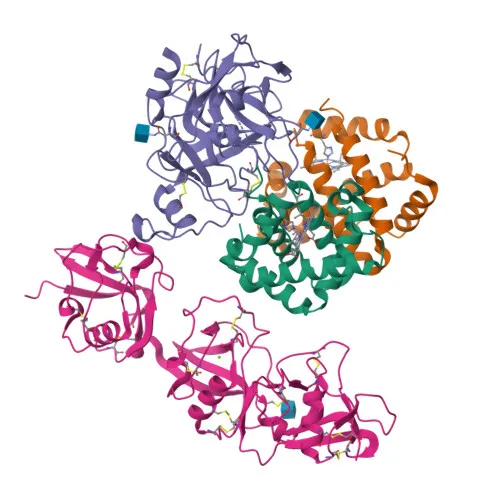
- CD163, also known as scavenger receptor cysteine-rich type 1 protein M130 or hemoglobin scavenger receptor, is encoded by the CD163 gene (GeneID: 9332). It belongs to the scavenger receptor cysteine-rich superfamily.
- The primary function of CD163 is the acute phase-regulated clearance and endocytosis of hemoglobin/haptoglobin complexes by macrophages, thereby protecting tissues from oxidative damage caused by free hemoglobin.
- CD163 plays a role in iron recycling through the uptake and breakdown of heme after endocytosis of hemoglobin/haptoglobin complexes; this binding is calcium- and pH-dependent.
- It exhibits higher affinity for complexes of hemoglobin with multimeric haptoglobin (HP1F phenotype) compared to dimeric haptoglobin (HP1S phenotype), and triggers intracellular signaling involving tyrosine kinase-dependent calcium mobilization, inositol triphosphate production, and secretion of IL6 and CSF1.
- Three isoforms exist due to alternative splicing; isoform 3 is the predominant form in blood and shows higher capacity for ligand endocytosis and surface expression.
- The protein is localized at the cell membrane and can also be secreted as a soluble form (sCD163) after shedding, which may have anti-inflammatory effects and serve as a diagnostic marker for macrophage activation.
- Tissue-specific expression is observed in monocytes and mature tissue macrophages, including Kupffer cells (liver), red pulp macrophages (spleen), cortical macrophages (thymus), bone marrow resident macrophages, and meningeal macrophages of the CNS.
- Key post-translational modifications include glycosylation and phosphorylation; the protein contains a signal peptide, a transmembrane helix, and multiple disulfide bond-containing SCR repeats.
Experimental Guidance and Technical Tips
- The immunogen corresponds to a peptide of human CD163 (aa 750–1050), which is conserved across human, mouse, and rat. Cross-reactivity should be validated in the relevant species' sample system.
- For Western blotting, the expected molecular weight is approximately 125 kDa; consider using a reducing or non-reducing condition based on epitope accessibility.
- In immunohistochemistry (IHC-P), CD163 is a classic marker for M2 macrophages and can be used to stain tissues such as liver, spleen, or tumor sections. Include appropriate macrophage-rich positive controls.
- For IF/ICC, membrane and potential intracellular staining patterns may be observed depending on cell type and activation state.
- When developing an ELISA, consider pairing this polyclonal antibody with a monoclonal capture antibody to improve specificity, and validate the assay in relevant biological matrices such as serum or cell culture supernatant.
- The soluble shed form (sCD163) may be present in samples; design experiments to distinguish membrane-bound from soluble CD163 if needed.
CamelBio: Your One-Stop Sourcing Bridge
CamelBio supports diagnostic manufacturers and research institutes with a comprehensive portfolio of IVD raw materials, including validated antibody pairs, bulk monoclonal and polyclonal antibodies, and ancillary reagents. For projects targeting macrophage biology and inflammatory disorders, we offer reliable sourcing of CD163 antibodies and related products. Whether you need custom antibody development, technical consultation, or assistance with rare target raw-material supply, CamelBio is your partner from concept to clinic.
REQUEST A QUOTE
Our professional team will reply to you within one business day. Please feel free to contact us!