Monoclonal Antibodies
Anti-CD16 Rabbit Monoclonal Antibody for WB, ELISA - P08637 / O75015
Item Number : CM0005111
Price varies based on specs and customizations
- Application
- WB, ELISA
- Cross Reactivity
- Human, Mouse
- Protein Weight
- 29KDa/26KDa

Shipping:
Contact us to get shipping details Enjoy On-time Dispatch Guarantee.
Why Choose Us
Easy ordering process, quality products, and dedicated support for your business success.
Core Product Specifications and Parameters
| Parameter | Value |
|---|---|
| Product Name | CD16 Rabbit mAb |
| Remarks/Alias | CD16; FCG3; CD16A; FCGR3; IGFR3; IMD20; FCR-10; FCRIII; CD16-II; FCGRIII; FCRIIIA; FcGRIIIA |
| Species | Human |
| Gene ID (Human) | 2214/2215 |
| Gene ID | 2214/2215 |
| Immunogen | Recombinant protein|Recombinant fusion protein containing a sequence corresponding to amino acids 20-208 of human CD16. (P08637). |
| Source | Rabbit |
| Category | Monoclonal Antibodies |
| Application | WB, ELISA |
| Cross Reactivity | Human, Mouse |
| SWISS | P08637/O75015 |
| Protein Weight | 29KDa/26KDa |
| Shipping | Ice bag |
Biological Background: CD16 (FcγRIIIA) Function and Localization
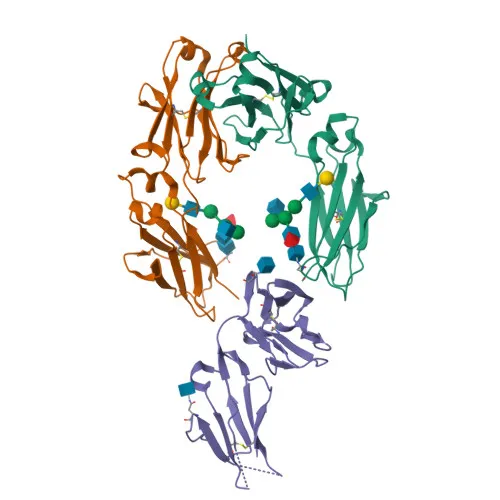
- CD16, encoded by the FCGR3A gene (low affinity immunoglobulin gamma Fc region receptor III-A), is a transmembrane glycoprotein also known as CD16a, FcγRIIIα, FcR-10, and IgG Fc receptor III-2.
- As a key receptor for the Fc fragment of IgG, CD16 recognizes clustered antigen-IgG immune complexes and triggers antibody‑dependent cellular cytotoxicity (ADCC) in natural killer (NK) cells and monocytes. This function is essential for eliminating antibody‑coated target cells during infection and tumor surveillance. Related references: PMID:11711607, PMID:21768335, PMID:22023369
- Beyond cytotoxic activity, CD16 signaling promotes the generation of memory‑like adaptive NK cells that produce high levels of IFNG and exhibit enhanced antiviral and antitumor capabilities. Related references: PMID:24412922, PMID:25786175
- CD16 engagement leads to phosphorylation of ITAM‑containing adapters and activation of downstream kinases (e.g., PI3K) as well as intracellular calcium flux, governing both cytokine production and degranulation. Related references: PMID:1825220, PMID:23024279, PMID:2532305
- The receptor localizes primarily to the cell membrane of NK cells and a subset of circulating monocytes; it can also be shed as a soluble form.
- CD16 is highly relevant in cancer immunotherapy, as it mediates the antitumor effects of therapeutic antibodies and responds with enhanced opsonization and ADCC to afucosylated IgG glycoforms. Related references: PMID:27670158, PMID:34485821, PMID:28566370
- In the context of Dengue virus infection, CD16 can contribute to antibody‑dependent enhancement (ADE), where sub‑neutralizing IgG complexes facilitate viral entry into myeloid cells, exacerbating pathogenesis.
Experimental Guidance and Technical Tips
- The immunogen (recombinant protein spanning amino acids 20–208 of human CD16) corresponds to the extracellular region; therefore the antibody is expected to recognize native, surface‑expressed CD16. Researchers may consider using live‑cell staining or non‑denaturing conditions to preserve the native conformation.
- For Western blotting (WB), the predicted molecular weight of CD16 is approximately 29 kDa (P08637) or 26 kDa (O75015), but the mature glycosylated form often migrates higher. Validate the observed band pattern in the relevant sample system and include appropriate deglycosylation controls if needed.
- In ELISA, this antibody can be utilized as a capture or detection reagent. Given its cross‑reactivity with mouse CD16, it may be employed in xenogeneic model systems, but users should confirm specificity and sensitivity under their own experimental conditions.
- Because CD16 is predominantly expressed on NK cells and a subset of monocytes, lysates from enriched NK cells (e.g., CD56‑positive selected cells) or monocytic cell lines (e.g., THP‑1) are suitable positive controls. For tissue‑level analysis, consider that CD16 expression is relatively restricted and may require sensitive detection methods.
CamelBio: Your One-Stop Sourcing Bridge
CamelBio serves as a comprehensive sourcing partner for IVD manufacturers, diagnostic laboratories, and research institutions, offering a broad portfolio of raw materials and technical support from concept to clinic. This CD16 rabbit monoclonal antibody is a reliable reagent for immuno‑oncology, infectious disease, and NK cell functional studies, supplied with detailed batch‑specific data. Through validated antibody pairs, optimized monoclonal/polyclonal antibodies, bulk ancillary reagents, and rare target raw‑material sourcing, CamelBio streamlines your diagnostic development and research pipelines.
REQUEST A QUOTE
Our professional team will reply to you within one business day. Please feel free to contact us!