Polyclonal Antibodies
Anti-CD152/CTLA-4 Polyclonal Antibody for WB, ELISA - P16410
Item Number : CM0013365
Price varies based on specs and customizations
- Application
- WB, ELISA
- Cross Reactivity
- Human, Mouse, Rat
- Protein Weight
- 25kDa

Shipping:
Contact us to get shipping details Enjoy On-time Dispatch Guarantee.
Why Choose Us
Easy ordering process, quality products, and dedicated support for your business success.
Core Product Specifications and Parameters
| Parameter | Value |
|---|---|
| Product Name | CD152/CTLA-4 Rabbit pAb |
| Remarks/Alias | CD, GSE, GRD4, ALPS5, CD152, CTLA-4, IDDM12, CELIAC3, CD152/CTLA-4 |
| Species | Human |
| GeneID (Human) | 1493 |
| GeneID | 1493 |
| Immunogen | Recombinant fusion protein containing a sequence corresponding to amino acids 49-223 of human CD152/CTLA-4 (NP_005205.2) |
| Source | Rabbit |
| Category | Polyclonal Antibodies |
| Application | WB, ELISA |
| Cross Reactivity | Human, Mouse, Rat |
| SWISS | P16410 |
| Protein Weight | 25kDa |
| Shipping | Ice bag |
Biological Background: CTLA-4 Function and Localization
- CTLA-4 (Cytotoxic T-lymphocyte protein 4) is an inhibitory receptor and member of the immunoglobulin superfamily that serves as a major negative regulator of T-cell immune responses.
- It acts as a decoy receptor: its affinity for B7 ligands CD80 and CD86 is considerably stronger than that of the stimulatory coreceptor CD28, thereby outcompeting CD28 and dampening T-cell activation. Related references: PMID:11279501 PMID:11279502 PMID:16551244
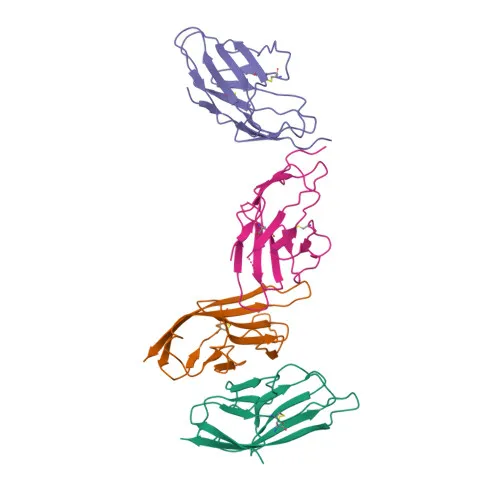
- The CTLA-4 protein is a single-pass transmembrane glycoprotein localizing predominantly to the cell membrane, with its extracellular domain containing a V-type immunoglobulin fold.
- Although present in various tissues, CTLA-4 is most notably expressed in activated T-cells, where its surface levels are 30- to 50-fold lower than CD28, ensuring tight regulation of co-inhibitory signals.
- Alternative splicing generates multiple isoforms, and the protein undergoes post-translational modifications including glycosylation and phosphorylation, which modulate its trafficking and signaling.
- Genetic variations in CTLA4 are associated with autoimmune disorders such as type 1 diabetes (IDDM12), systemic lupus erythematosus, and autoimmune lymphoproliferative syndrome (ALPS5).
Experimental Guidance and Technical Tips
- The immunogen spans the extracellular domain (aa 49-223), so this polyclonal antibody likely recognizes native and denatured CTLA-4. For western blot, expect a band at approximately 25 kDa; consider using activated T-cell lysates or CTLA-4-overexpressing cells as positive controls.
- For ELISA, antigen-down or sandwich formats may be feasible; validate the antibody in the relevant sample system and matrix to confirm performance.
- Since the antibody cross-reacts with mouse and rat, it can be used for cross-species studies, but always verify reactivity in your specific experimental setup.
CamelBio: Your One-Stop Sourcing Bridge
CamelBio empowers diagnostic manufacturers and research laboratories with one-stop access to high-quality IVD raw materials, including validated antibody pairs, optimized monoclonal/polyclonal antibodies, bulk ancillary reagents, and rare target sourcing. This anti-CTLA-4 polyclonal antibody is well-suited for immuno-oncology and autoimmune disease research, supporting the development of assays that target T-cell checkpoint pathways. With a commitment to bridging concept-to-clinic needs, CamelBio provides tailored sourcing and technical consulting to streamline your IVD development workflows.
REQUEST A QUOTE
Our professional team will reply to you within one business day. Please feel free to contact us!