Polyclonal Antibodies
Anti-CD13/ANPEP Polyclonal Antibody for WB, IHC-P, IF/ICC, ELISA - P15144
Item Number : CM0030363
Price varies based on specs and customizations
- Application
- WB, IHC-P, IF/ICC, ELISA
- Cross Reactivity
- Human, Mouse, Rat
- Protein Weight
- 110kDa

Shipping:
Contact us to get shipping details Enjoy On-time Dispatch Guarantee.
Why Choose Us
Easy ordering process, quality products, and dedicated support for your business success.
Core Product Specifications and Parameters
| Parameter | Value |
|---|---|
| Product Name | CD13/ANPEP Rabbit pAb |
| Remarks/Alias | APN; AP-M; AP-N; CD13; LAP1; P150; PEPN; hAPN; GP150; CD13/ANPEP |
| Species | Human |
| GeneID (Human) | 290 |
| GeneID | 290 |
| Immunogen | Recombinant fusion protein containing a sequence corresponding to amino acids 668-967 of human CD13/ANPEP (NP_001141.2) |
| Source | Rabbit |
| Category | Polyclonal Antibodies |
| Application | WB, IHC-P, IF/ICC, ELISA |
| Cross Reactivity | Human, Mouse, Rat |
| SWISS | P15144 |
| Protein Weight | 110kDa |
| Shipping | Ice bag |
Biological Background: CD13/ANPEP Function and Localization
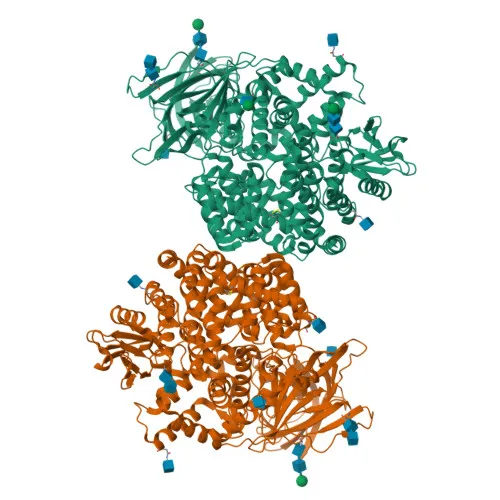
- CD13/ANPEP, also known as aminopeptidase N (APN) or CD13, is a zinc-dependent metalloprotease belonging to the M1 family of aminopeptidases.
- It exhibits broad substrate specificity, playing a key role in the final digestion of peptides derived from protein hydrolysis by gastric and pancreatic proteases.
- CD13 processes various peptide hormones, including angiotensin III and IV, neuropeptides, and chemokines, and may cleave peptides bound to MHC class II molecules on antigen-presenting cells.
- It is implicated in angiogenesis, cholesterol crystallization, and potentially in amino acid transport through interaction with SLC6A19.
- CD13 acts as a host receptor for human coronavirus 229E (HCoV-229E) and mediates human cytomegalovirus (HCMV) infection.
- The protein is localized on the cell membrane, with a soluble form detectable in plasma; it contains a transmembrane helix and signal-anchor, and undergoes post-translational modifications including glycosylation, disulfide bond formation, and sulfation.
- CD13 is widely expressed in epithelial cells of the kidney, intestine, and respiratory tract, as well as in granulocytes, monocytes, endothelial cells, and synaptic membranes; elevated levels are associated with cancer.
Experimental Guidance and Technical Tips
- The immunogen is a recombinant fusion protein covering the C-terminal region (amino acids 668-967) of human CD13/ANPEP, which should detect the full-length protein (~110 kDa).
- For Western blot (WB), consider using lysates from tissues with high CD13 expression (e.g., kidney, intestine) as positive controls; validate the anti-rabbit secondary antibody compatibility.
- In immunohistochemistry (IHC-P) and immunofluorescence (IF/ICC), antigen retrieval conditions may need optimization for your specific sample type and fixation method.
- The antibody cross-reacts with mouse and rat CD13, making it suitable for rodent model studies; however, confirm signal specificity in your experimental system.
- For ELISA applications, the antibody can be explored as a capture or detection reagent, but appropriate pair testing and standardization are advised.
CamelBio: Your One-Stop Sourcing Bridge
CamelBio provides a comprehensive range of IVD raw materials, including validated monoclonal and polyclonal antibodies, bulk ancillary reagents, and specialized sourcing for rare targets. Our anti-CD13/ANPEP rabbit polyclonal antibody supports research in protease biology, angiogenesis, and viral entry mechanisms. Partner with CamelBio for efficient procurement and technical support, streamlining your development from concept to clinic.
Product Datasheet
Anti-CD13/ANPEP Polyclonal Antibody for WB, IHC-P, IF/ICC, ELISA - P15144
REQUEST A QUOTE
Our professional team will reply to you within one business day. Please feel free to contact us!