Monoclonal Antibodies
Anti-CD13/ANPEP Monoclonal Antibody for Flow Cytometry - P15144
Item Number : CM0007994
Price varies based on specs and customizations
- Application
- FC
- Cross Reactivity
- Human
- Protein Weight
- 110kDa

Shipping:
Contact us to get shipping details Enjoy On-time Dispatch Guarantee.
Why Choose Us
Easy ordering process, quality products, and dedicated support for your business success.
Core Product Specifications and Parameters
| Parameter | Value |
|---|---|
| Product Name | Rabbit anti-Human CD13/ANPEP mAb |
| Remarks/Alias | APN; AP-M; AP-N; CD13; LAP1; P150; PEPN; hAPN; GP150 |
| Species | Human |
| GeneID (Human) | 290 |
| GeneID | 290 |
| Immunogen | Recombinant fusion protein containing a sequence corresponding to amino acids 69-967 of human CD13/ANPEP (NP_001141.2). |
| Source | Rabbit |
| Category | Monoclonal Antibodies |
| Application | FC |
| Cross Reactivity | Human |
| SWISS | P15144 |
| Protein Weight | 110kDa |
| Shipping | Ice bag |
Biological Background: CD13/ANPEP Function and Localization
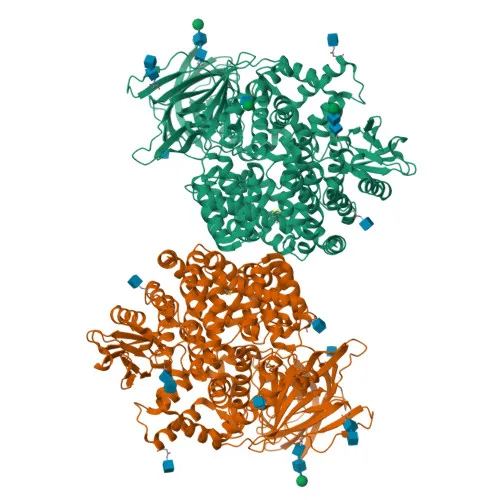
- CD13/ANPEP, also known as aminopeptidase N (AP-N) or gp150, is a 110 kDa type II transmembrane zinc metalloprotease. It serves as a broad-specificity aminopeptidase, crucial for the final digestion of peptides generated by gastric and pancreatic proteases.
- This enzyme processes various bioactive peptides, including angiotensin III and IV, neuropeptides, and chemokines, and may cleave MHC class II-bound peptides on antigen-presenting cells.
- CD13 has been implicated in angiogenesis and cholesterol crystallization, and may modulate amino acid transport by interacting with the SLC6A19 transporter.
- It acts as a receptor for human coronavirus 229E, facilitating viral entry, and also mediates human cytomegalovirus infection.
- Subcellularly, CD13 localizes to the cell membrane and is expressed in a wide range of tissues, including kidney, intestine, respiratory epithelia, and various leukocytes. Elevated levels are found in plasma and effusions of cancer patients.
- Post-translational modifications include N-glycosylation, disulfide bond formation, and sulfation, essential for its enzymatic and receptor functions.
Experimental Guidance and Technical Tips
- The antibody is provided as an conjugate, ready for direct flow cytometry without secondary detection steps.
- Titrate the antibody to determine the optimal concentration for your specific cell type and staining protocol.
- Use a 488 nm laser line for excitation and collect emission with a 530/30 bandpass filter or equivalent.
- Include appropriate isotype controls and viability dyes to ensure specific staining.
- Since the immunogen spans a large extracellular region (aa 69–967), the antibody is expected to recognize the native cell-surface protein; confirm antigen accessibility in your assay system.
CamelBio: Your One-Stop Sourcing Bridge
CamelBio offers comprehensive IVD raw-material solutions, supporting diagnostic manufacturers and research laboratories worldwide. As a trusted partner, we provide this high-quality anti-CD13 monoclonal antibody along with a portfolio of validated antibody pairs, optimized monoclonal and polyclonal antibodies, bulk ancillary reagents, and rare-target sourcing. Whether advancing biomarker discovery or infectious disease research, CamelBio bridges the gap from concept to clinic.
REQUEST A QUOTE
Our professional team will reply to you within one business day. Please feel free to contact us!