Monoclonal Antibodies
Anti-CD116/GM-CSFRα Rabbit Monoclonal Antibody for WB, FC, ELISA - P15509
Item Number : CM0008225
Price varies based on specs and customizations
- Application
- WB, FC, ELISA
- Cross Reactivity
- Human
- Protein Weight
- 27kDa/33kDa/38kDa/44kDa/46kDa/50kDa

Shipping:
Contact us to get shipping details Enjoy On-time Dispatch Guarantee.
Why Choose Us
Easy ordering process, quality products, and dedicated support for your business success.
Core Product Specifications and Parameters
| Parameter | Value |
|---|---|
| Product Name | CD116/GM-CSFRα Rabbit mAb |
| Remarks/Alias | GMR; CD116; CSF2R; SMDP4; CDw116; CSF2RX; CSF2RY; GMCSFR; CSF2RAX; CSF2RAY; alphaGMR; GMR-alpha; GMCSFR-alpha; GM-CSF-R-alpha; CD116/GM-CSFRα |
| Species | Human |
| Gene ID (Human) | 1438 |
| Gene ID | 1438 |
| Immunogen | Recombinant fusion protein containing a sequence corresponding to amino acids 23-320 of human CD116/GM-CSFRα (NP_006131.2) |
| Source | Rabbit |
| Category | Monoclonal Antibodies |
| Application | WB, FC, ELISA |
| Cross Reactivity | Human |
| SWISS | P15509 |
| Protein Weight | 27kDa/33kDa/38kDa/44kDa/46kDa/50kDa |
| Shipping | Ice bag |
Biological Background: CD116/GM-CSFRα Function and Localization
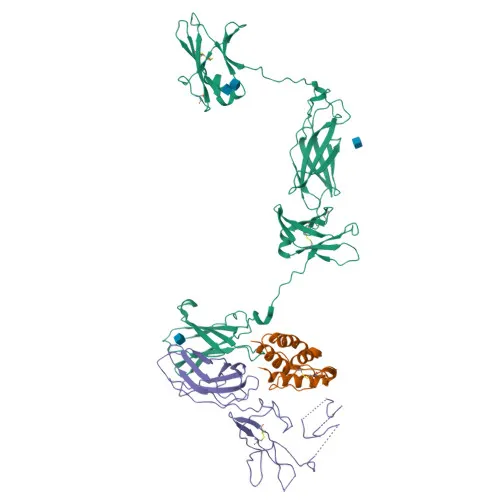
- CD116/GM-CSFRα, encoded by the CSF2RA (also known as CSF2R, CSF2RY) gene, is the alpha subunit of the receptor for granulocyte-macrophage colony-stimulating factor (GM-CSF), a critical hematopoietic cytokine.
- As a low-affinity receptor, it binds GM-CSF and, in complex with the common beta chain, transduces signals that drive the proliferation, differentiation, and functional activation of myeloid lineage cells.
- The gene undergoes alternative splicing, producing multiple protein isoforms; some isoforms are secreted and lack the transmembrane domain, potentially modulating GM-CSF bioavailability.
- Subcellularly, the receptor is primarily located at the cell membrane, but secreted forms are also detected, indicating dual roles in cell-surface signal transduction and extracellular regulation.
- Post-translational modifications, including N-linked glycosylation and disulfide bonds, are essential for receptor stability, ligand binding, and proper trafficking to the cell surface.
- Clinically, mutations and dysregulation of CSF2RA are linked to immunological and hematological disorders, making it a relevant target in research on inflammation, autoimmunity, and leukemia.
Experimental Guidance and Technical Tips
- The immunogen consists of amino acids 23–320 of the extracellular domain; therefore, the antibody likely recognizes the N-terminal region, which may be present in both membrane-bound and soluble isoforms.
- For Western blot, anticipate multiple bands in the 27–50 kDa range due to differential glycosylation and alternative splicing; using deglycosylation enzymes can simplify interpretation.
- In flow cytometry, ensure staining of live, unfixed cells to preserve cell-surface epitopes; appropriate isotype controls and Fc blocking are recommended for human hematopoietic cells.
- For ELISA, validate the antibody pair compatibility if developed as a capture/detection antibody; consider testing against recombinant protein standards.
CamelBio: Your One-Stop Sourcing Bridge
CamelBio is your dedicated partner for IVD raw-material procurement, specialized in antibodies and reagents for immunological and hematological research. Our portfolio includes rigorously validated monoclonal antibodies like this anti-CD116/GM-CSFRα clone, alongside optimized antibody pairs, bulk ancillary reagents, and custom development services. From concept to clinic, CamelBio supports diagnostic manufacturers and research institutions with tailored sourcing solutions to accelerate assay development for targets involved in cytokine signaling and immune modulation.
Product Datasheet
Anti-CD116/GM-CSFRα Rabbit Monoclonal Antibody for WB, FC, ELISA - P15509
REQUEST A QUOTE
Our professional team will reply to you within one business day. Please feel free to contact us!