Polyclonal Antibodies
Anti-CCL8 Rabbit Polyclonal Antibody for IHC-P and ELISA - P80075
Item Number : CM0029436
Price varies based on specs and customizations
- Application
- IHC-P, ELISA
- Cross Reactivity
- Human, Mouse
- Protein Weight
- 11kDa

Shipping:
Contact us to get shipping details Enjoy On-time Dispatch Guarantee.
Why Choose Us
Easy ordering process, quality products, and dedicated support for your business success.
Core Product Specifications and Parameters
| Parameter | Value |
|---|---|
| Product Name | CCL8 Rabbit pAb |
| Remarks/Alias | HC14; MCP2; MCP-2; SCYA8; SCYA10; CCL8 |
| Species | Human |
| GeneID (Human) | 6355 |
| GeneID | 6355 |
| Immunogen | Synthetic peptide corresponding to a sequence within amino acids 1-99 of human CCL8 (NP_005614.2) |
| Source | Rabbit |
| Category | Polyclonal Antibodies |
| Application | IHC-P, ELISA |
| Cross Reactivity | Human, Mouse |
| SWISS | P80075 |
| Protein Weight | 11kDa |
| Shipping | Ice bag |
Biological Background: CCL8 Function and Localization
- C-C motif chemokine 8 (CCL8), also known as monocyte chemoattractant protein 2 (MCP-2) or small-inducible cytokine A8, is a secreted cytokine belonging to the chemokine family.
- CCL8 acts as a chemotactic factor that attracts monocytes, lymphocytes, basophils, and eosinophils, playing a role in inflammatory host responses and potentially in neoplasia.
- The protein can bind heparin, which may modulate its activity and localization within tissues.
- A processed form, MCP-2(6-76), lacks monocyte chemotactic activity but inhibits the chemotactic effects of CCL7, CCL2, CCL5, and CCL8 itself.
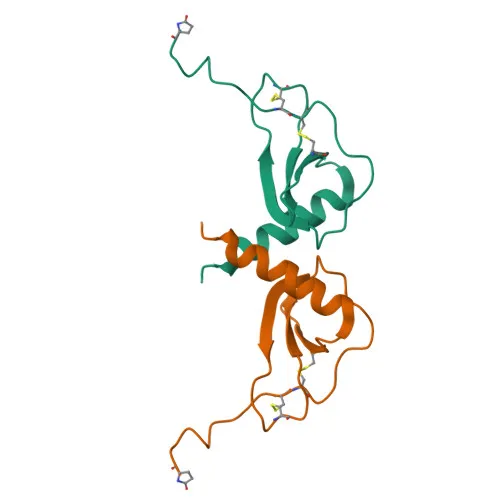
- The mature protein has a predicted molecular weight of approximately 11 kDa and contains characteristic disulfide bonds essential for its structure (UniProt keywords: 3D-structure, Disulfide bond).
- CCL8 is expressed at highest levels in the small intestine and peripheral blood cells, with intermediate levels in the heart, placenta, lung, skeletal muscle, thymus, colon, ovary, spinal cord, and pancreas, and low levels in the brain, liver, spleen, and prostate.
- As a secreted cytokine, CCL8 functions in extracellular signaling and is associated with inflammatory processes (UniProt keywords: Secreted, Cytokine, Inflammatory response, Chemotaxis).
Experimental Guidance and Technical Tips
- The immunogen used is a synthetic peptide spanning amino acids 1–99 of human CCL8; as a polyclonal antibody, it is likely to recognize multiple epitopes, including potential linear epitopes in denatured samples.
- For IHC-P, we recommend systematic optimization of antigen retrieval conditions and primary antibody dilution to achieve specific staining in target tissues expressing CCL8 (e.g., small intestine, peripheral blood cells).
- For ELISA, validate the antibody in the relevant sample matrix (e.g., serum, plasma, or tissue lysates) and consider pairing with a suitable detection antibody or performing a direct ELISA.
- The antibody shows cross-reactivity with mouse CCL8, enabling its use in mouse model studies; however, we advise verifying reactivity in your specific mouse strain and application.
CamelBio: Your One-Stop Sourcing Bridge
CamelBio supports diagnostic manufacturers, laboratories, and research institutes by providing a comprehensive range of IVD raw materials. For studies of chemokine-mediated inflammation and immune cell recruitment, we offer validated antibody pairs, optimized monoclonal and polyclonal antibodies (including CCL8 reagents), bulk ancillary reagents, and sourcing of rare targets to streamline your development workflow from concept to clinic.
REQUEST A QUOTE
Our professional team will reply to you within one business day. Please feel free to contact us!