Polyclonal Antibodies
Anti-CCL3 (MIP-1-alpha) Rabbit Polyclonal Antibody for WB, ELISA - P10147
Item Number : CM0029669
Price varies based on specs and customizations
- Application
- WB, ELISA
- Cross Reactivity
- Human
- Protein Weight
- 10kDa

Shipping:
Contact us to get shipping details Enjoy On-time Dispatch Guarantee.
Why Choose Us
Easy ordering process, quality products, and dedicated support for your business success.
Core Product Specifications and Parameters
| Parameter | Value |
|---|---|
| Product Name | CCL3 Rabbit pAb |
| Remarks/Alias | MIP1A; SCYA3; G0S19-1; LD78ALPHA; MIP-1-alpha; CCL3 |
| Species | Human |
| GeneID (Human) | 6348 |
| Immunogen | Recombinant fusion protein containing a sequence corresponding to amino acids 23-92 of human CCL3 (NP_002974.1) |
| Source | Rabbit |
| Category | Polyclonal Antibodies |
| Application | WB, ELISA |
| Cross Reactivity | Human |
| SWISS | P10147 |
| Protein Weight | 10kDa |
| Shipping | Ice bag |
Biological Background: CCL3 Function and Localization
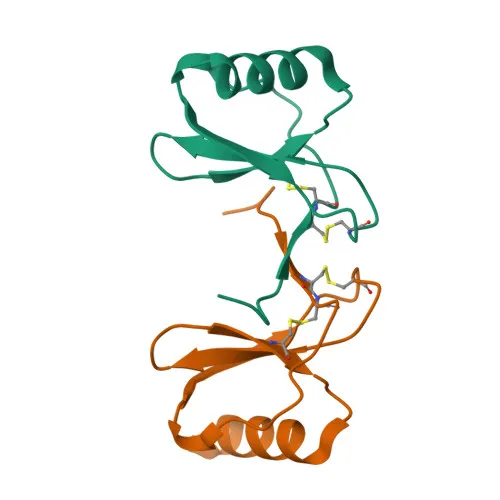
- CCL3, also known as macrophage inflammatory protein 1-alpha (MIP-1-alpha) or small-inducible cytokine A3, is a secreted chemokine with both inflammatory and chemokinetic properties.
- It mediates its effects through binding to chemokine receptors CCR1, CCR4, and CCR5, thereby regulating leukocyte migration and activation.
- CCL3 is identified as a major HIV-suppressive factor produced by CD8+ T cells, capable of inhibiting replication of HIV-1, HIV-2, and simian immunodeficiency virus (SIV) in a dose-dependent manner.
- The protein is classified under the CC chemokine family, featuring conserved cysteine residues that form disulfide bonds, and includes a signal peptide for secretion.
- Subcellularly, CCL3 is secreted into the extracellular space, consistent with its role as a soluble signaling molecule.
- With a molecular weight of approximately 10 kDa, CCL3 is involved in proteomics identification and direct protein sequencing studies, highlighting its relevance in research.
- The UniProt keyword list includes "Chemotaxis," "Cytokine," and "Inflammatory response," underscoring its functional classification in immune regulation.
Experimental Guidance and Technical Tips
- The immunogen used corresponds to the mature form of human CCL3 (amino acids 23-92), which lacks the signal peptide; thus, the antibody is expected to recognize the processed, secreted form of the protein.
- For Western blotting, consider that the endogenous protein has a predicted molecular weight of ~10 kDa; ensure proper low-molecular-weight transfer conditions and avoid over-fixation that may mask epitopes.
- Since CCL3 is a secreted cytokine, detection in cell lysates may be limited; enriching conditioned media or using stimulated cells may improve sensitivity.
- In ELISA, this polyclonal antibody may serve as a capture or detection reagent; we recommend optimizing coating and detection conditions with recombinant protein standards.
- Given the high sequence conservation among CC chemokines, verify specificity in your sample system, especially if cross-reactivity with related family members is a concern.
CamelBio: Your One-Stop Sourcing Bridge
CamelBio offers a comprehensive platform for sourcing IVD raw materials, serving diagnostic manufacturers and researchers with ready-to-use antibody pairs, optimized monoclonal and polyclonal antibodies, and bulk ancillary reagents. For chemokine and inflammation research, this anti-CCL3 polyclonal antibody and related reagents can facilitate assay development, while CamelBio’s global supply network can also support custom sourcing of rare-target raw materials to accelerate your diagnostic projects.
Product Datasheet
Anti-CCL3 (MIP-1-alpha) Rabbit Polyclonal Antibody for WB, ELISA - P10147
REQUEST A QUOTE
Our professional team will reply to you within one business day. Please feel free to contact us!