Polyclonal Antibodies
Anti-CCL2/MCP-1 Polyclonal Antibody for WB, IHC-P, ELISA - P13500
Item Number : CM0029133
Price varies based on specs and customizations
- Application
- WB, IHC-P, ELISA
- Cross Reactivity
- Human, Mouse, Rat
- Protein Weight
- 11kDa

Shipping:
Contact us to get shipping details Enjoy On-time Dispatch Guarantee.
Why Choose Us
Easy ordering process, quality products, and dedicated support for your business success.
Core Product Specifications and Parameters
| Parameter | Value |
|---|---|
| Product Name | CCL2/MCP-1 Rabbit pAb |
| Remarks/Alias | HC11, MCAF, MCP1, MCP-1, SCYA2, GDCF-2, SMC-CF, HSMCR30, CCL2/MCP-1 |
| Species | Human |
| GeneID (Human) | 6347 |
| GeneID | 6347 |
| Immunogen | Recombinant fusion protein containing a sequence corresponding to amino acids 24-99 of human CCL2/MCP-1 (NP_002973.1). |
| Source | Rabbit |
| Category | Polyclonal Antibodies |
| Application | WB, IHC-P, ELISA |
| Cross Reactivity | Human, Mouse, Rat |
| SWISS | P13500 |
| Protein Weight | 11kDa |
| Shipping | Ice bag |
Biological Background: CCL2/MCP-1 Function and Localization
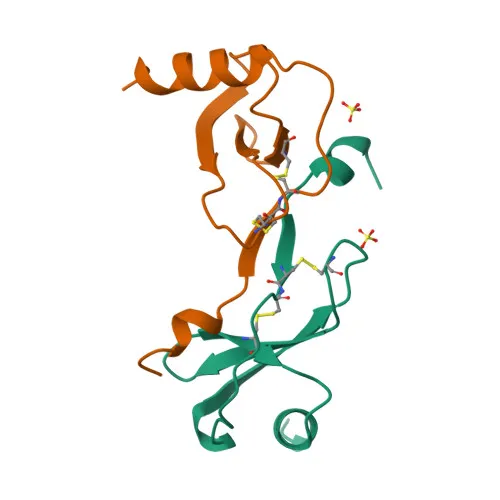
- CCL2, also known as monocyte chemoattractant protein-1 (MCP-1), is a small secreted cytokine belonging to the CC chemokine family.
- It acts as a high-affinity ligand for the CC chemokine receptor 2 (CCR2), triggering intracellular signaling and strong chemotactic responses.
Related references: PMID:10529171, PMID:10587439, PMID:9837883 - CCL2 selectively chemoattracts monocytes and basophils but does not act on neutrophils or eosinophils, underscoring its role in mononuclear cell‑mediated inflammation.
Related references: PMID:8195247, PMID:8627182, PMID:9792674 - It is implicated in monocyte recruitment into the arterial intima during the development of atherosclerotic lesions.
Related references: PMID:8107690 - The protein is secreted from various cell types and has been detected in multiple body fluids, including seminal plasma, endometrial fluid, and follicular fluid, as well as in monocytes.
- CCL2 is a glycoprotein stabilized by conserved disulfide bonds, characteristic of the chemokine fold, and its N‑terminus can undergo pyroglutamate formation.
Experimental Guidance and Technical Tips
- The immunogen corresponds to the mature CCL2 sequence (aa 24–99), so the antibody is expected to detect the secreted form; precursor detection may be limited.
- For Western blotting, a single band at approximately 11 kDa is typically observed under reducing conditions; validate with appropriate positive and negative controls in your sample system.
- IHC–P may require optimization of antigen retrieval protocols; using paraffin-embedded sections of tissues known to express CCL2 (e.g., inflamed or atherosclerotic vessels) is recommended.
- Cross‑reactivity with mouse and rat CCL2 allows this antibody to be used in widely utilized preclinical models, but cross‑reactivity with other species should be independently verified.
- For sandwich ELISA, pairing with a non‑competing capture antibody that recognizes a distinct epitope is advisable to achieve maximal sensitivity.
CamelBio: Your One-Stop Sourcing Bridge
CamelBio provides diagnostic manufacturers and laboratories with reliable access to high-quality IVD raw materials, including this anti-CCL2/MCP-1 polyclonal antibody. In addition to validated antibodies, we supply matched antibody pairs, optimized monoclonal/polyclonal reagents, bulk ancillary materials, and specialized sourcing for rare targets—supporting your immunoassay development from concept to clinic. Let CamelBio be your procurement partner for inflammation and immune response research reagents.
REQUEST A QUOTE
Our professional team will reply to you within one business day. Please feel free to contact us!