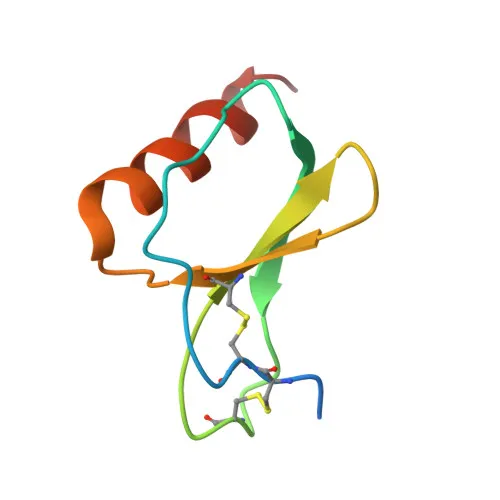
Monoclonal Antibodies
Anti-CCL17 Monoclonal Antibody for WB, IHC-P, ELISA - Q92583
Item Number : CM0010335
Price varies based on specs and customizations
- Application
- WB, IHC-P, ELISA
- Cross Reactivity
- Human, Rat
- Protein Weight
- 11kDa

Shipping:
Contact us to get shipping details Enjoy On-time Dispatch Guarantee.
Why Choose Us
Easy ordering process, quality products, and dedicated support for your business success.
Core Product Specifications and Parameters
| Parameter | Specification |
|---|---|
| Product Name | CCL17 Rabbit mAb |
| Remarks/Alias | TARC; ABCD-2; SCYA17; A-152E5.3 |
| Species | Human |
| Gene ID (Human) | 6361 |
| Gene ID | 6361 |
| Immunogen | Recombinant fusion protein containing a sequence corresponding to amino acids 24-94 of human CCL17 (NP_002978.1). |
| Source | Rabbit |
| Category | Monoclonal Antibodies |
| Application | WB, IHC-P, ELISA |
| Cross Reactivity | Human, Rat |
| SWISS | Q92583 |
| Protein Weight | 11kDa |
| Shipping | Ice bag |
Biological Background: CCL17 Function and Localization
- Chemokine that displays chemotactic activity for T lymphocytes, preferentially Th2 cells, but not monocytes or granulocytes, playing an important role in a wide range of inflammatory and immunological processes. Related references: PMID:8702936, PMID:9169480
- Acts by binding to CCR4 at the T-cell surface. Related references: PMID:10540332, PMID:9169480
- Mediates GM-CSF/CSF2-driven pain and inflammation. Related references: PMID:27525438
- In the brain, required to maintain the typical, highly branched morphology of hippocampal microglia under homeostatic conditions; may be important for the appropriate adaptation of microglial morphology and synaptic plasticity to acute lipopolysaccharide (LPS)-induced neuroinflammation (By similarity).
- Plays a role in wound healing, mainly by inducing fibroblast migration into the wound (By similarity).
- Secreted protein (UniProt: Subcellular Location).
- Constitutively expressed in thymus; detected at lower levels in the lung, colon and small intestine; expressed in stimulated peripheral blood mononuclear cells, but not in resting cells. Related references: PMID:8702936
- Belongs to the intercrine beta (chemokine CC) family; contains disulfide bond(s) characteristic of chemokines; keyword annotations include Chemotaxis, Cytokine, Inflammatory response.
Experimental Guidance and Technical Tips
- For Western blot, due to the small predicted molecular mass of CCL17 (~11 kDa), consider using a higher percentage SDS-PAGE gel (e.g., 15%) and optimize transfer conditions (e.g., low pore size membrane, reduced transfer time) to retain the protein.
- In IHC-P, using thymus, lung, or inflamed tissue sections as positive controls may help validate staining, given the known expression pattern; antigen retrieval conditions may need empirical optimization.
- The antibody cross-reacts with rat CCL17, likely due to sequence homology; validation in rat samples should include appropriate controls to confirm specificity.
- For ELISA, use standard sandwich format with a matched antibody pair; the recombinant immunogen (aa 24-94) suggests suitability for detecting the mature secreted form.
CamelBio: Your One-Stop Sourcing Bridge
CamelBio is a dedicated one-stop sourcing partner for IVD raw materials, empowering diagnostic manufacturers, labs, and research institutes with a seamless supply chain from concept to clinic. This anti-CCL17 monoclonal antibody supports immune and inflammation research, particularly in Th2-driven diseases, and is part of our comprehensive catalog of validated antibodies and ancillary reagents. Whether you need bulk monoclonal antibodies, optimized antibody pairs, or access to rare-target raw materials, CamelBio streamlines procurement so you can focus on assay development and clinical translation.
REQUEST A QUOTE
Our professional team will reply to you within one business day. Please feel free to contact us!