Polyclonal Antibodies
Anti-CBL Rabbit Polyclonal Antibody for WB, IHC-P, ELISA - P22681
Item Number : CM0025759
Price varies based on specs and customizations
- Application
- WB, IHC-P, ELISA
- Cross Reactivity
- Human, Mouse, Rat
- Protein Weight
- 100kDa

Shipping:
Contact us to get shipping details Enjoy On-time Dispatch Guarantee.
Why Choose Us
Easy ordering process, quality products, and dedicated support for your business success.
Core Product Specifications and Parameters
| Parameter | Value |
|---|---|
| Product Name | CBL Rabbit pAb |
| Remarks/Alias | CBL2; NSLL; C-CBL; RNF55; FRA11B; CBL |
| Species | Human |
| GeneID (human) | 867 |
| GeneID | 867 |
| Immunogen | A synthetic peptide corresponding to a sequence within amino acids 850-906 of human CBL (NP_005179.2). |
| Source | Rabbit |
| Category | Polyclonal Antibodies |
| Application | WB, IHC-P, ELISA |
| Cross Reactivity | Human, Mouse, Rat |
| SWISS | P22681 |
| Protein Weight | 100kDa |
| Shipping | Ice bag |
Biological Background: CBL Function and Localization
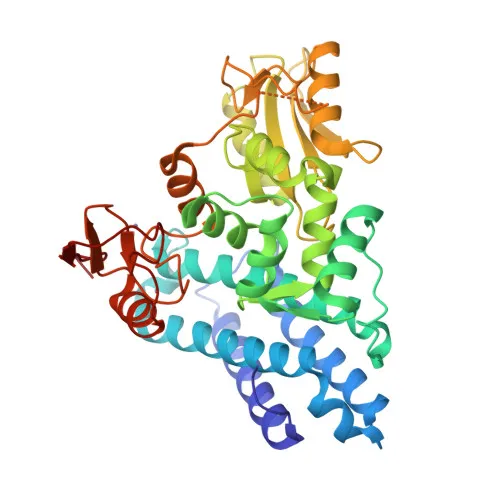
- CBL (Casitas B-lineage lymphoma proto-oncogene, also known as CBL2, RNF55, C-CBL) is an E3 ubiquitin-protein ligase that acts as a negative regulator of many signaling pathways by mediating ubiquitination of cell surface receptors. Related references: PMID:10514377, PMID:11896602, PMID:14661060
- It accepts ubiquitin from E2 enzymes and transfers it to substrates, promoting proteasomal degradation; recognized substrates include activated receptor tyrosine kinases such as KIT, FLT1, FGFR, PDGFRA, EGFR, and SRC family kinases. Related references: PMID:15190072, PMID:18374639, PMID:21596750, PMID:11896602
- CBL is involved in LAG3-mediated inhibition of TCR signaling by catalyzing Lys-63-linked ubiquitination of LAG3, and in removal of NECTIN1 from cell surface upon herpes simplex virus infection. Related references: PMID:40101708, PMID:28381567
- Essential for osteoclastic bone resorption, the Tyr-731 phosphorylated form of CBL recruits and activates PI3K at the cell membrane, a critical step for osteoclast function. Related references: PMID:14739300
- Subcellularly, CBL localizes to the cytoplasm, cell membrane, cilium, and Golgi apparatus.
- The protein is a zinc-binding phosphoprotein with a RING finger domain, classified as a proto-oncogene with disease-associated variants.
Experimental Guidance and Technical Tips
- For Western blotting, the expected band is ~100 kDa; consider using a suitable positive control lysate (e.g., hematopoietic or cancer cell lines) and validate the observed band with relevant blocking peptides or knockdown controls.
- For immunohistochemistry (IHC-P), antigen retrieval may be necessary; validate staining specificity by including isotype controls and testing in known positive and negative tissues.
- Due to the polyclonal nature, lot-to-lot consistency should be confirmed for critical quantitative assays.
- Cross-reactivity with mouse and rat allows potential use in rodent models; however, it is advisable to validate performance in the specific sample system beforehand.
- For ELISA, optimize coating conditions and consider pairing with a suitable detection antibody for sandwich assay development.
CamelBio: Your One-Stop Sourcing Bridge
CamelBio facilitates direct access to high-quality IVD raw materials for diagnostic developers and research laboratories. This anti-CBL polyclonal antibody supports investigations into ubiquitin-mediated signaling and oncogenic pathways. Our supply capabilities include validated antibody pairs, optimized monoclonal/polyclonal antibodies, bulk ancillary reagents, and rare target raw-material sourcing to streamline your assay development pipeline from concept to clinic.
REQUEST A QUOTE
Our professional team will reply to you within one business day. Please feel free to contact us!