Monoclonal Antibodies
Anti-Catalase Monoclonal Antibody for WB, IHC-P, ELISA - P04040
Item Number : CM0002159
Price varies based on specs and customizations
- Application
- WB, IHC-P, ELISA
- Cross Reactivity
- Human, Mouse, Rat
- Protein Weight
- 60kDa

Shipping:
Contact us to get shipping details Enjoy On-time Dispatch Guarantee.
Why Choose Us
Easy ordering process, quality products, and dedicated support for your business success.
Core Product Specifications and Parameters
| Parameter | Value |
|---|---|
| Product Name | Catalase Rabbit mAb |
| Remarks/Alias | CAT; catalase; Catalase |
| Species | Human |
| Gene ID (Human) | 847 |
| Gene ID | 847 |
| Immunogen | A synthetic peptide corresponding to a sequence within amino acids 1-100 of human Catalase (P04040). |
| Source | Rabbit |
| Category | Monoclonal Antibodies |
| Application | WB, IHC-P, ELISA |
| Cross Reactivity | Human, Mouse, Rat |
| SWISS | P04040 |
| Protein Weight | 60kDa |
| Shipping | Ice bag |
Biological Background: Catalase Function and Localization
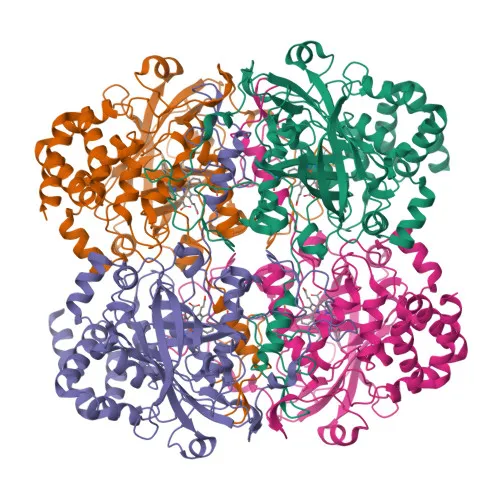
- Catalase is a peroxisomal enzyme that catalyzes the decomposition of hydrogen peroxide (H2O2) into water and molecular oxygen, safeguarding cells from oxidative damage. Related references: PMID:7882369
- It functions as a homotetramer with each subunit containing a heme group and an iron ion, classifying it as a heme-containing oxidoreductase and peroxidase.
- The enzyme exhibits mitogenic activity, promoting the proliferation of diverse cell types including T-cells, B-cells, melanoma cells, and fibroblasts. Related references: PMID:7882369
- Subcellularly, catalase is localized predominantly to the peroxisome matrix, where it processes H2O2 generated by peroxisomal oxidases.
- Post-translational modifications include acetylation and phosphorylation, and the protein can bind NADP as a cofactor (UniProt Keywords).
- The human catalase protein has a molecular weight of approximately 60 kDa (UniProt: 59756 Da; observed at ~60 kDa in SDS-PAGE), which is consistent with the immunogen design targeting amino acids 1-100.
Experimental Guidance and Technical Tips
- The immunogen corresponds to the N-terminal region (amino acids 1–100) of human catalase, suggesting the antibody epitope is located within this region; consider this when designing epitope competition or peptide blocking experiments.
- For Western blotting (WB) applications, a single band at approximately 60 kDa is anticipated in reducing conditions; validate in the relevant sample system (e.g., human, mouse, or rat cell lysates).
- In immunohistochemistry (IHC-P), peroxisomal staining may be optimized with antigen retrieval; liver and kidney tissues, rich in peroxisomes, serve as positive controls.
- For ELISA, the antibody’s peptide immunogen design allows potential use in capture or detection formats; consider pairwise testing with other catalase clones if developing a sandwich assay.
- Given cross-reactivity with mouse and rat, this antibody can be used for translational studies in rodent models of oxidative stress.
CamelBio: Your One-Stop Sourcing Bridge
CamelBio is your dedicated partner for IVD raw-material sourcing, supporting diagnostic manufacturers and researchers from concept to clinic. For oxidative stress and peroxisomal biology studies, we supply catalase antibodies alongside a broad portfolio of validated antibody pairs and ancillary reagents. Our one-stop service extends to bulk reagent supply and custom sourcing of rare-target materials, streamlining your development workflow.
REQUEST A QUOTE
Our professional team will reply to you within one business day. Please feel free to contact us!