Monoclonal Antibodies
Anti-Caspase-3 Monoclonal Antibody for WB, ELISA - P42574
Item Number : CM0003752
Price varies based on specs and customizations
- Application
- WB, ELISA
- Cross Reactivity
- Human, Mouse
- Protein Weight
- 32kDa

Shipping:
Contact us to get shipping details Enjoy On-time Dispatch Guarantee.
Why Choose Us
Easy ordering process, quality products, and dedicated support for your business success.
Core Product Specifications and Parameters
| Parameter | Value |
|---|---|
| Product Name | Caspase-3 Mouse mAb |
| Remarks/Alias | CPP32; SCA-1; CPP32B; Caspase-3 |
| Gene ID (Human) | 836 |
| Gene ID | 836 |
| Immunogen | Recombinant fusion protein containing a sequence corresponding to amino acids 55-160 of human Caspase-3 (P42574). |
| Source | Mouse |
| Category | Monoclonal Antibodies |
| Application | WB, ELISA |
| Cross Reactivity | Human, Mouse |
| SWISS | P42574 |
| Protein Weight | 32kDa |
| Shipping | Ice bag |
Biological Background: Caspase-3 Function and Localization
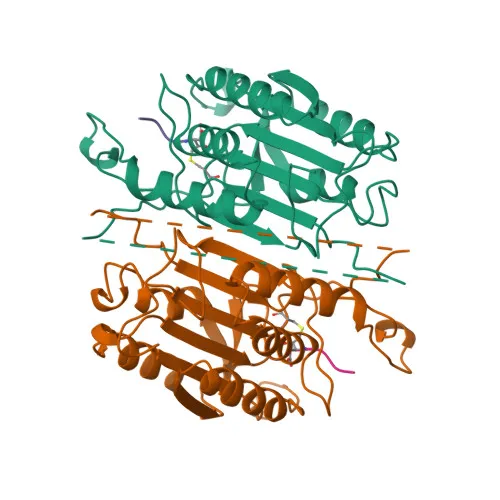
- Caspase-3 (also known as apopain, CPP32, Yama, and SCA-1) is a thiol protease that functions as a primary executioner caspase in the apoptotic cascade.
- Mediates the execution phase of apoptosis by cleaving a wide range of cellular substrates, including the hallmark cleavage of poly(ADP-ribose) polymerase PARP1 at Asp216-Gly217, and activating downstream caspases-6, -7, and -9 to amplify the proteolytic cascade. Related references: PMID:18723680 PMID:20566630 PMID:23650375 PMID:10497198 PMID:16374543 PMID:7596430
- Cleaves interleukin-18 (IL18), huntingtin, RET, desmosomal cadherins DSG2 and JUP, and AKT1, and inactivates antiviral innate immune proteins (CGAS, IRF3, MAVS) during virus-induced apoptosis; also cleaves gasdermin-E (GSDME) to trigger pyroptosis. Related references: PMID:37993714 PMID:9334240 PMID:8696339 PMID:21357690 PMID:17559062 PMID:23152800 PMID:30878284 PMID:35338844 PMID:35446120
- Promotes phosphatidylserine exposure on the apoptotic cell surface by cleaving scramblases XKR4, XKR8, and XKR9, and ensures apoptosis progression by cleaving BIRC6 after DIABLO/SMAC-mediated inhibition. Related references: PMID:23845944 PMID:33725486 PMID:36758104 PMID:36758106
- Localizes predominantly to the cytoplasm.
- Highly expressed in lung, spleen, heart, liver, and kidney, with moderate levels in brain and skeletal muscle and low levels in testis; expression is particularly high in immune system cells.
- Subject to multiple post-translational modifications, including acetylation, phosphorylation, S-nitrosylation, and ubiquitination, which regulate its activity and stability.
Experimental Guidance and Technical Tips
- For Western blotting, the antibody may detect both the full-length pro-caspase-3 (~32 kDa) and the cleaved large fragment (~17-19 kDa) due to the immunogen sequence (aa 55-160) located within the p17 large subunit. Consider using apoptotic cell lysates (e.g., Jurkat treated with staurosporine) as positive controls.
- In ELISA applications, the recombinant fusion protein corresponding to the immunogen region can be employed as a coating antigen. Validate antibody performance with appropriate standards and sample matrices.
- The antibody cross-reacts with mouse caspase-3, allowing its use in mouse-derived samples. Titration and optimization under your specific experimental conditions are recommended.
CamelBio: Your One-Stop Sourcing Bridge
CamelBio offers a comprehensive one-stop sourcing solution for IVD raw materials, from validated antibody pairs and optimized monoclonal/polyclonal antibodies to bulk ancillary reagents and rare-target raw-material sourcing. This anti-caspase-3 monoclonal antibody supports apoptosis research and diagnostic assay development; our team is ready to assist with the full supply chain, helping you accelerate projects from concept to clinic.
REQUEST A QUOTE
Our professional team will reply to you within one business day. Please feel free to contact us!