Polyclonal Antibodies
Anti-CARTPT Polyclonal Antibody for IHC-P, ELISA - Q16568
Item Number : CM0021328
Price varies based on specs and customizations
- Application
- IHC-P, ELISA
- Cross Reactivity
- Human, Mouse, Rat
- Protein Weight
- 13kDa

Shipping:
Contact us to get shipping details Enjoy On-time Dispatch Guarantee.
Why Choose Us
Easy ordering process, quality products, and dedicated support for your business success.
Core Product Specifications and Parameters
| Parameter | Value |
|---|---|
| Product Name | CARTPT Rabbit pAb |
| Remarks/Alias | CART; CARTPT |
| Species | Human |
| GeneID (Human) | 9607 |
| GeneID | 9607 |
| Immunogen | Synthetic peptide corresponding to a sequence within amino acids 1-100 of human CARTPT (NP_004282.1) |
| Source | Rabbit |
| Category | Polyclonal Antibodies |
| Application | IHC-P, ELISA |
| Cross Reactivity | Human, Mouse, Rat |
| SWISS | Q16568 |
| Protein Weight | 13kDa |
| Shipping | Ice bag |
Biological Background: CARTPT Function and Localization
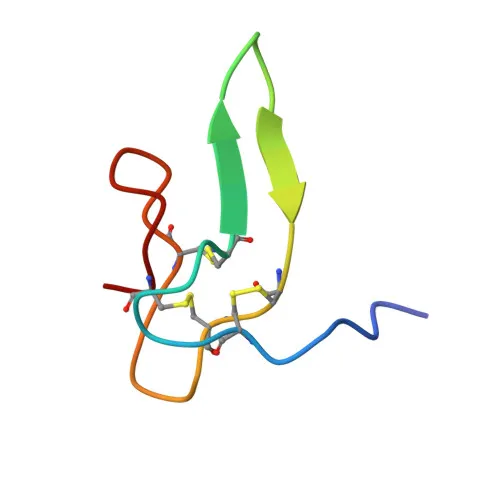
- CARTPT (Cocaine- and Amphetamine-Regulated Transcript Protein) is a secreted neuropeptide that functions as an anorectic satiety factor, closely associated with the actions of leptin and neuropeptide Y.
- It inhibits both normal and starvation-induced feeding, and completely blocks the feeding response induced by neuropeptide Y, acting downstream of leptin signaling in the hypothalamus.
- CARTPT promotes neuronal development and survival in vitro, suggesting a neurotrophic role.
- The protein is primarily expressed in the hypothalamus, specifically in neurons of the ventrolateral part of the arcuate nucleus, the external zone of the median eminence, and terminals in the periventricular part of the paraventricular nucleus.
- Localization is predominantly secreted, consistent with its role as a neuropeptide hormone.
- Post-translational modifications include cleavage on pair of basic residues, disulfide bond formation, and phosphorylation; the mature peptide has a calculated molecular weight of approximately 12.8 kDa.
- Keywords highlight its involvement in obesity, neurotransmission, and it belongs to the reference proteome with evidence at protein level.
Experimental Guidance and Technical Tips
- The immunogen targets the N-terminal region (aa 1-100) of human CARTPT; this design may aid in detecting the protein across species but always validate specificity in your model system.
- For IHC-P, consider using antigen retrieval with citrate buffer and test dilutions starting at 1:50–1:200; include positive controls such as hypothalamus tissue sections.
- For ELISA, optimize coating antigen and antibody concentration; cross-reactivity with mouse and rat suggests potential for multi-species detection assays after proper validation.
- As a polyclonal antibody, lot-to-lot variation may occur; we recommend titrating each new lot and comparing to previous data.
CamelBio: Your One-Stop Sourcing Bridge
CamelBio stands as a trusted one-stop provider of IVD raw materials, supporting diagnostic manufacturers and research laboratories from concept to clinic. This anti-CARTPT polyclonal antibody reflects our commitment to supplying high-quality reagents for metabolic disease and neuroscience research. We offer flexible sourcing options, including custom antibody development, bulk orders, and technical consultation to accelerate your assay development pipelines.
REQUEST A QUOTE
Our professional team will reply to you within one business day. Please feel free to contact us!