Polyclonal Antibodies
Anti-CART Rabbit Polyclonal Antibody for WB, IF/ICC, ELISA - Q16568
Item Number : CM0028218
Price varies based on specs and customizations
- Application
- WB, IF/ICC, ELISA
- Cross Reactivity
- Human, Mouse
- Protein Weight
- 13kDa

Shipping:
Contact us to get shipping details Enjoy On-time Dispatch Guarantee.
Why Choose Us
Easy ordering process, quality products, and dedicated support for your business success.
Core Product Specifications and Parameters
| Parameter | Value |
|---|---|
| Product Name | CART Rabbit pAb |
| Remarks/Alias | CART |
| Species | Human |
| Gene ID | 9607 |
| Immunogen | Synthetic peptide corresponding to amino acids 1-100 of human CART (NP_004282.1) |
| Source | Rabbit |
| Category | Polyclonal Antibodies |
| Application | WB, IF/ICC, ELISA |
| Cross Reactivity | Human, Mouse |
| SWISS | Q16568 |
| Protein Weight | 13kDa |
| Shipping | Ice bag |
Biological Background: CART Function and Localization
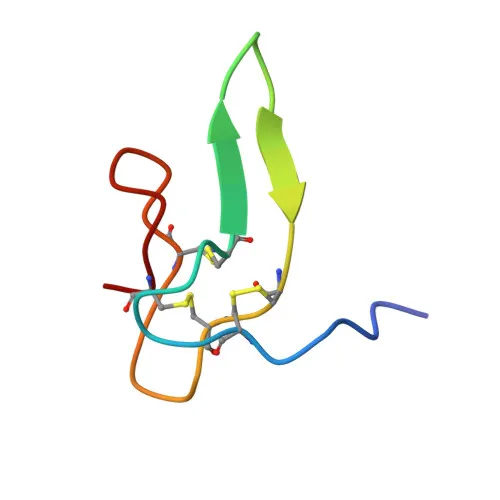
- Cocaine- and amphetamine-regulated transcript protein (CART) is a neuropeptide encoded by the CARTPT gene, also referred to as CART prepropeptide. It is proteolytically processed to generate active peptides.
- Functions as a satiety factor, inhibiting both normal and starvation-induced feeding, and completely blocks the feeding response induced by neuropeptide Y, with regulation mediated by leptin in the hypothalamus.
- Promotes neuronal development and survival in vitro, indicating additional roles beyond appetite control.
- The protein is secreted and primarily localized in hypothalamic neurons, including the arcuate nucleus, median eminence, and paraventricular nucleus.
- Classified as a neuropeptide and neurotransmitter, CART is associated with obesity and metabolic regulation. Post-translational modifications include disulfide bond formation and phosphorylation.
Experimental Guidance and Technical Tips
- The immunogen used is a synthetic peptide spanning amino acids 1-100 of human CART (NP_004282.1). Investigators considering this antibody for applications not listed should validate its performance in the relevant assay system.
- For Western blot (WB), the predicted molecular weight is approximately 13 kDa; ensure appropriate polyacrylamide gel percentage and transfer conditions. Include positive and negative controls from relevant tissue or cell lysates.
- For immunofluorescence/immunocytochemistry (IF/ICC), confirm target expression in the sample and optimize fixation and permeabilization protocols. A blocking step may reduce non-specific binding.
- In ELISA applications, use recombinant CART protein or synthetic peptide as a standard to establish assay sensitivity and specificity.
- As a polyclonal antibody, lot-to-lot variability is possible; it is advisable to titrate the antibody for each new batch and application.
CamelBio: Your One-Stop Sourcing Bridge
CamelBio is your integrated sourcing partner for IVD raw materials, providing one-stop access to high-quality antibodies, antigens, and ancillary reagents from discovery to commercialization. This anti-CART polyclonal antibody supports appetite regulation and obesity research, and CamelBio can further assist with validated antibody pairs, optimized monoclonal/polyclonal options, bulk quantities, and custom sourcing for rare targets. Partner with us to streamline your diagnostic development pipeline.
REQUEST A QUOTE
Our professional team will reply to you within one business day. Please feel free to contact us!