Polyclonal Antibodies
Anti-CARD19 Rabbit Polyclonal Antibody for WB, ELISA - Q96LW7
Item Number : CM0015367
Price varies based on specs and customizations
- Application
- WB, ELISA
- Cross Reactivity
- Human, Mouse
- Protein Weight
- 26kDa

Shipping:
Contact us to get shipping details Enjoy On-time Dispatch Guarantee.
Why Choose Us
Easy ordering process, quality products, and dedicated support for your business success.
Core Product Specifications and Parameters
| Parameter | Value |
|---|---|
| Product Name | CARD19 Rabbit pAb |
| Remarks/Alias | BinCARD; C9orf89; CARD19 |
| Species | Human |
| Gene ID (Human) | 84270 |
| Gene ID | 84270 |
| Immunogen | Recombinant fusion protein containing a sequence corresponding to amino acids 1-100 of human CARD19 (NP_115686.3) |
| Source | Rabbit |
| Category | Polyclonal Antibodies |
| Application | WB, ELISA |
| Cross Reactivity | Human, Mouse |
| SWISS | Q96LW7 |
| Protein Weight | 26kDa |
| Shipping | Ice bag |
Biological Background: CARD19 Function and Localization
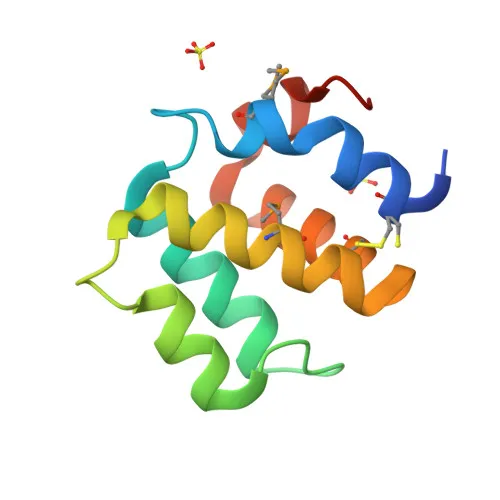
- CARD19, also known as BinCARD (Bcl10-interacting CARD protein), is a caspase recruitment domain-containing protein encoded by the CARD19 gene (C9orf89) in humans.
- It functions as an inhibitor of BCL10-induced NF-kappa-B activation, possibly by suppressing BCL10 phosphorylation in a CARD-dependent manner.
- The protein is expressed in multiple tissues, including ovary, testis, placenta, skeletal muscle, kidney, lung, heart, liver, thymus, and brain.
- Subcellularly, CARD19 localizes to the nucleus, endoplasmic reticulum membrane, and mitochondrial membrane, suggesting roles in diverse signaling compartments.
- Key post-translational modifications include phosphorylation and disulfide bonds, with alternative splicing generating isoforms that may have distinct functions.
- Structural features include a transmembrane helix that anchors it to membranes, and it is classified as a reference proteome member.
- The protein has an observed molecular weight of approximately 26 kDa, aligning with its calculated mass of 25.6 kDa.
Experimental Guidance and Technical Tips
- The immunogen covers the N-terminal region (aa 1-100) of CARD19; validate specificity in the relevant sample system and consider the presence of isoforms.
- For Western blot, expect a band near 26 kDa; test both reducing and non-reducing conditions due to potential disulfide bonds influencing migration.
- In ELISA, optimize coating and blocking buffers for polyclonal antibodies to reduce background and ensure assay sensitivity.
- Cross-reactivity with mouse CARD19 is confirmed; when analyzing mouse tissue, include appropriate controls and consider species-specific epitopes.
- Given the membrane association, enrichment by subcellular fractionation or detergent extraction may improve detection sensitivity.
CamelBio: Your One-Stop Sourcing Bridge
CamelBio provides diagnostic manufacturers and research institutes with a comprehensive range of IVD raw materials, including validated polyclonal antibodies, antibody pairs, and bulk reagents. As a one-stop partner, we support the procurement of high-quality CARD19 antibodies and ancillary products for NF-kappa-B and apoptosis research. Our end-to-end service, from concept to clinic, ensures reliable access to rare-target raw materials and technical expertise.
REQUEST A QUOTE
Our professional team will reply to you within one business day. Please feel free to contact us!