Polyclonal Antibodies
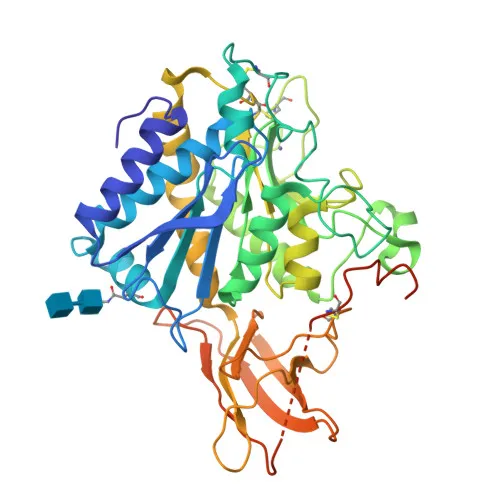
Anti-Carboxypeptidase M (CPM) Rabbit Polyclonal Antibody for WB, IHC-P, ELISA - P14384
Item Number : CM0026996
Price varies based on specs and customizations
- Application
- WB, IHC-P, ELISA
- Cross Reactivity
- Human, Rat
- Protein Weight
- 51kDa

Shipping:
Contact us to get shipping details Enjoy On-time Dispatch Guarantee.
Why Choose Us
Easy ordering process, quality products, and dedicated support for your business success.
Core Product Specifications and Parameters
| Parameter | Value |
|---|---|
| Product Name | CPM Rabbit pAb |
| Remarks/Alias | CPM |
| Species | Human |
| GeneID (Human) | 1368 |
| GeneID | 1368 |
| Immunogen | Recombinant fusion protein containing a sequence corresponding to amino acids 204-443 of human CPM (NP_001005502.1) |
| Source | Rabbit |
| Category | Polyclonal Antibodies |
| Application | WB, IHC-P, ELISA |
| Cross Reactivity | Human, Rat |
| SWISS | P14384 |
| Protein Weight | 51kDa |
| Shipping | Ice bag |
Biological Background: Carboxypeptidase M (CPM) Function and Localization
- Carboxypeptidase M (CPM) is a membrane-bound zinc-dependent metalloprotease that specifically cleaves C-terminal basic residues (Arg or Lys) from peptides and proteins.
- It functions as a key regulator of peptide hormone and growth factor activity at the cell surface by modulating the availability of active peptides.
- CPM is involved in the membrane-localized degradation of extracellular proteins, contributing to the turnover of signaling molecules.
- Subcellularly, CPM is anchored to the plasma membrane via a glycosylphosphatidylinositol (GPI) anchor, with its catalytic domain facing the extracellular environment.
- The protein contains structural features including disulfide bonds and glycosylation sites, which are important for its stability and function.
- As a zinc-dependent enzyme, CPM requires zinc ions for its catalytic activity, a hallmark of the carboxypeptidase family.
Experimental Guidance and Technical Tips
- The immunogen spans the core catalytic domain (amino acids 204–443), suggesting that the antibody may detect both native and denatured CPM. For Western blot, a band near 51 kDa is expected; slight shifts due to glycosylation can occur.
- In immunohistochemistry (IHC-P), cell surface membrane staining is anticipated given the GPI-anchored localization of CPM. Antigen retrieval steps may enhance detection in formalin-fixed paraffin-embedded tissues.
- For ELISA applications, this rabbit polyclonal antibody can serve as a detection reagent; however, optimal coating and secondary antibody conditions should be empirically determined for each assay system.
- Cross-reactivity with rat CPM suggests conserved epitope sequences; validate in relevant rat tissue samples to confirm applicability.
- No quantitative data on sensitivity or specificity are provided; users should include appropriate positive and negative controls in their experiments.
CamelBio: Your One-Stop Sourcing Bridge
CamelBio provides diagnostic manufacturers and research laboratories with a streamlined sourcing solution for IVD raw materials. From validated antibody pairs and optimized monoclonal/polyclonal antibodies to bulk ancillary reagents, we support your entire development workflow. Whether you require this CPM antibody for signal transduction research or need customized rare target sourcing, our team ensures reliable access to high-quality materials from concept to clinic.
Product Datasheet
Anti-Carboxypeptidase M (CPM) Rabbit Polyclonal Antibody for WB, IHC-P, ELISA - P14384
REQUEST A QUOTE
Our professional team will reply to you within one business day. Please feel free to contact us!