Polyclonal Antibodies
Anti-Carbonic Anhydrase 9 (CA9/G250) Rabbit Polyclonal Antibody for WB - Q16790
Item Number : CM0013952
Price varies based on specs and customizations
- Application
- WB, IHC-P, IF/ICC, ELISA
- Cross Reactivity
- Human
- Protein Weight
- 50 kDa

Shipping:
Contact us to get shipping details Enjoy On-time Dispatch Guarantee.
Why Choose Us
Easy ordering process, quality products, and dedicated support for your business success.
Core Product Specifications and Parameters
| Parameter | Value |
|---|---|
| Product Name | Carbonic Anhydrase 9 (CA9/G250) Rabbit pAb |
| Remarks/Alias | MN; CAIX; Carbonic Anhydrase 9 (CA9/G250) |
| Species | Human |
| GeneID | 768 (human) |
| Immunogen | Recombinant fusion protein containing a sequence corresponding to amino acids 52-151 of human Carbonic Anhydrase 9 (CA9/G250) (NP_001207.2) |
| Source | Rabbit |
| Category | Polyclonal Antibodies |
| Application | WB, IHC-P, IF/ICC, ELISA |
| Cross Reactivity | Human |
| SWISS | Q16790 |
| Protein Weight | 50 kDa |
| Shipping | Ice bag |
Biological Background: Carbonic Anhydrase 9 Function and Localization
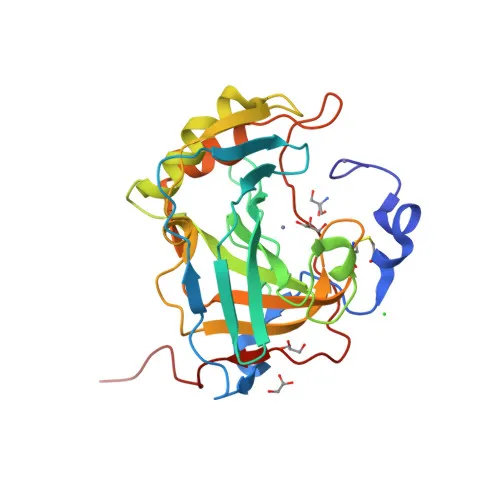
- Carbonic anhydrase 9 (CA9/CA-IX) is a member of the alpha-carbonic anhydrase family, encoding a transmembrane zinc metalloenzyme.
- It catalyzes the reversible hydration of carbon dioxide to bicarbonate and protons, playing a critical role in pH regulation.
- CA9 is primarily expressed in carcinoma cell lines, with limited normal tissue expression, most abundant in gastric mucosa epithelial cells.
- It localizes to the cell membrane, microvillus membrane, nucleus, and nucleolus.
- The protein undergoes post-translational modifications including phosphorylation and glycosylation, and contains disulfide bonds.
- Key structural features: signal peptide, transmembrane helix, and zinc-binding site essential for its catalytic activity.
- Molecular weight is approximately 49.7 kDa (UniProt) but often observed at 50 kDa due to glycosylation.
Experimental Guidance and Technical Tips
- The immunogen corresponds to the extracellular domain (aa 52-151); consider testing the antibody in non-reducing conditions for native conformation recognition.
- For Western blot, validate using lysates from hypoxia-treated human carcinoma cells (e.g., HT-29, HeLa); expect a band around 50 kDa.
- IHC-P may require antigen retrieval and titration to detect membrane and/or nuclear staining in tumor samples.
- For IF/ICC, include permeabilization steps to detect intracellular pools and co-stain with membrane markers.
- ELISA performance can be assessed with recombinant CA9 protein; optimize coating and detection conditions.
CamelBio: Your One-Stop Sourcing Bridge
CamelBio provides diagnostic manufacturers and research labs with comprehensive access to IVD raw materials, including validated antibody pairs, optimized monoclonal/polyclonal antibodies, and bulk ancillary reagents. Our carbonic anhydrase 9 offering supports cancer biomarker research and hypoxia-related assay development. Additionally, we facilitate rare target sourcing and technical consultation to accelerate your project from concept to clinic.
Product Datasheet
Anti-Carbonic Anhydrase 9 (CA9/G250) Rabbit Polyclonal Antibody for WB - Q16790
REQUEST A QUOTE
Our professional team will reply to you within one business day. Please feel free to contact us!