Polyclonal Antibodies
Anti-Carbonic Anhydrase 1 (CA1) Rabbit Polyclonal Antibody for WB and ELISA - P00915
Item Number : CM0014881
Price varies based on specs and customizations
- Application
- WB, ELISA
- Cross Reactivity
- Human, Mouse
- Protein Weight
- 29kDa

Shipping:
Contact us to get shipping details Enjoy On-time Dispatch Guarantee.
Why Choose Us
Easy ordering process, quality products, and dedicated support for your business success.
Core Product Specifications and Parameters
| Parameter | Value |
|---|---|
| Product Name | Carbonic Anhydrase 1 (CA1) Rabbit pAb |
| Remarks/Alias | CAB; CA-I; Car1; HEL-S-11; Carbonic Anhydrase 1 (CA1) |
| Species | Human |
| GeneID | 759 |
| Immunogen | Recombinant fusion protein containing a sequence corresponding to amino acids 1-261 of human Carbonic Anhydrase 1 (NP_001122303.1) |
| Source | Rabbit |
| Category | Polyclonal Antibodies |
| Application | WB, ELISA |
| Cross Reactivity | Human, Mouse |
| SWISS | P00915 |
| Protein Weight | 29kDa |
| Shipping | Ice bag |
Biological Background: Carbonic Anhydrase 1 Function and Localization
- Carbonic anhydrase 1 (CA1) is a zinc-dependent lyase that catalyzes the reversible hydration of carbon dioxide to bicarbonate and protons, a reaction essential for processes such as respiration, acid-base balance, and ion transport. Related references: PMID:10550681 PMID:16506782 PMID:16686544
- CA1 also functions as a cyanamide hydratase, converting cyanamide to urea, which may be relevant in certain metabolic contexts. Related references: PMID:10550681
- The protein is a member of the alpha-carbonic anhydrase family and is designated as CA-I. Alternative names include carbonate dehydratase I, carbonic anhydrase B (CAB), and cyanamide hydratase CA1.
- CA1 is localized predominantly in the cytoplasm, where it contributes to intracellular pH regulation.
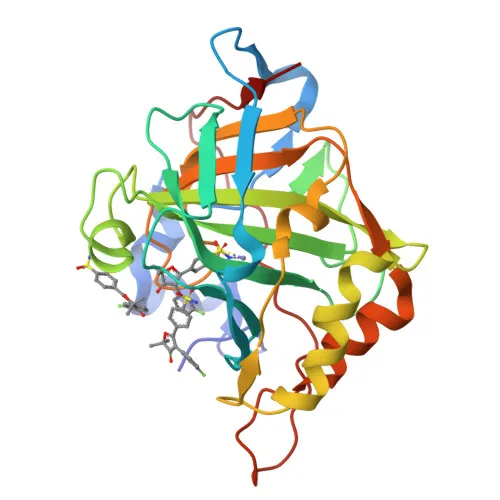
- Post-translational modifications include acetylation, and its three-dimensional structure has been solved by X-ray crystallography, providing insights into its catalytic mechanism.
- The calculated molecular weight of CA1 is approximately 28.9 kDa, consistent with the observed band at ~29 kDa in Western blotting.
Experimental Guidance and Technical Tips
- Due to the polyclonal nature of the antibody, consider performing an initial titration series (e.g., 1:500, 1:1000, 1:2000) to determine the optimal working dilution for your specific Western blotting protocol.
- For ELISA applications, validate the antibody with recombinant CA1 protein or cell lysates known to express CA1; a standard curve using purified antigen is recommended.
- The immunogen corresponds to the full-length human CA1 sequence (amino acids 1–261), covering the entire protein; this design may contribute to broad epitope recognition, but cross-reactivity with other carbonic anhydrase isoforms should be considered and tested if isoform specificity is critical.
- Perform appropriate controls, including loading controls for WB and blank/negative serum controls for ELISA, to ensure signal specificity.
- Store the antibody as shipped (ice bag) upon arrival; for long-term storage, aliquot and keep at -20°C or -80°C, avoiding repeated freeze-thaw cycles.
CamelBio: Your One-Stop Sourcing Bridge
CamelBio serves as a one-stop sourcing bridge for IVD raw materials, connecting diagnostic developers with quality-assured antibodies, recombinant proteins, and ancillary reagents. For your carbonic anhydrase research or assay development, we provide access to this anti-CA1 polyclonal antibody along with a range of monoclonal antibodies, validated antibody pairs, and bulk raw materials to support your workflow from early-stage research to clinical application. Our supply network is designed to streamline procurement of both common and rare targets, helping you accelerate project timelines.
REQUEST A QUOTE
Our professional team will reply to you within one business day. Please feel free to contact us!