Polyclonal Antibodies
Anti-CANT1 Rabbit Polyclonal Antibody for WB and ELISA - Q8WVQ1
Item Number : CM0025287
Price varies based on specs and customizations
- Application
- WB, ELISA
- Cross Reactivity
- Human
- Protein Weight
- 45kDa

Shipping:
Contact us to get shipping details Enjoy On-time Dispatch Guarantee.
Why Choose Us
Easy ordering process, quality products, and dedicated support for your business success.
Core Product Specifications and Parameters
| Parameter | Value |
|---|---|
| Product Name | CANT1 Rabbit pAb |
| Remarks/Alias | DBQD; EDM7; DBQD1; SCAN1; SHAPY; SCAN-1; CANT1 |
| Species | Human |
| GeneID (Human) | 124583 |
| GeneID | 124583 |
| Immunogen | Recombinant fusion protein containing a sequence corresponding to amino acids 62-231 of human CANT1 (NP_620148.1) |
| Source | Rabbit |
| Category | Polyclonal Antibodies |
| Application | WB, ELISA |
| Cross Reactivity | Human |
| SWISS | Q8WVQ1 |
| Protein Weight | 45kDa |
| Shipping | Ice bag |
Biological Background: CANT1 Function and Localization
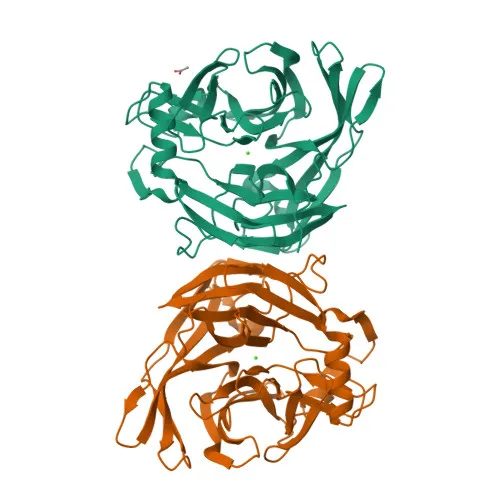
- CANT1 encodes soluble calcium-activated nucleotidase 1, an apyrase homolog that functions as a calcium-dependent nucleotidase with a marked preference for UDP over other nucleotide substrates. The enzyme's activity order is UDP > GDP > UTP > GTP, with very low activity towards ADP and ATP, and no hydrolysis of AMP or GMP. Related references: PMID:12234496 PMID:15006348 PMID:15248776
- CANT1 participates in proteoglycan synthesis, likely by regulating nucleotide sugar availability in the Golgi apparatus. Related references: PMID:22539336
- The protein is localized to the endoplasmic reticulum membrane, Golgi stack membrane, and cell membrane, reflecting its involvement in the secretory pathway and cell surface nucleotide signaling.
- Alternative splicing of the CANT1 gene generates multiple transcript variants encoding different isoforms.
- Structural features include a signal-anchor, a single transmembrane helix, and disulfide bond(s), and the protein is predicted to be glycosylated.
- CANT1 is widely expressed in human tissues.
- Mutations in CANT1 are associated with human diseases, including skeletal dysplasias and dwarfism phenotypes.
Experimental Guidance and Technical Tips
- The immunogen corresponds to amino acids 62-231, which lies within the luminal/extracellular domain of the protein, making it suitable for detecting both native and denatured CANT1.
- For Western blotting (WB), an expected band size of approximately 45 kDa (calculated from UniProt: 44.84 kDa) should be observed. Optimize protein loading and antibody dilution using positive control lysates from human cell lines known to express CANT1.
- For ELISA applications, consider using a capture/detection format with appropriate controls; validate sensitivity and specificity in the relevant biological matrix.
- As this is a polyclonal antibody, batch-to-batch consistency should be verified for quantitative assays.
CamelBio: Your One-Stop Sourcing Bridge
CamelBio serves as a comprehensive procurement partner for IVD raw materials, supporting diagnostic manufacturers, research laboratories, and academic institutes from concept to clinic. This anti-CANT1 polyclonal antibody is part of our portfolio for nucleotide metabolism and skeletal biology research. Explore our offerings including validated antibody pairs, optimized monoclonal and polyclonal antibodies, bulk ancillary reagents, and custom sourcing for rare targets to accelerate your assay development and production needs.
REQUEST A QUOTE
Our professional team will reply to you within one business day. Please feel free to contact us!