Polyclonal Antibodies
Anti-CADM3 Rabbit Polyclonal Antibody for WB and ELISA - Q8N126
Item Number : CM0026663
Price varies based on specs and customizations
- Application
- WB, ELISA
- Cross Reactivity
- Human, Mouse, Rat
- Protein Weight
- 43kDa

Shipping:
Contact us to get shipping details Enjoy On-time Dispatch Guarantee.
Why Choose Us
Easy ordering process, quality products, and dedicated support for your business success.
Core Product Specifications and Parameters
| Parameter | Value |
|---|---|
| Product Name | CADM3 Rabbit pAb |
| Remarks/Alias | BIgR; NECL1; TSLL1; CMT2FF; IGSF4B; Necl-1; synCAM3; CADM3 |
| Species | Human |
| GeneID (Human) | 57863 |
| Immunogen | Recombinant fusion protein containing a sequence corresponding to amino acids 25-330 of human CADM3 (NP_001120645.1) |
| Source | Rabbit |
| Category | Polyclonal Antibodies |
| Application | WB, ELISA |
| Cross Reactivity | Human, Mouse, Rat |
| SWISS | Q8N126 |
| Protein Weight | 43kDa |
| Shipping | Ice bag |
Biological Background: CADM3 Function and Localization
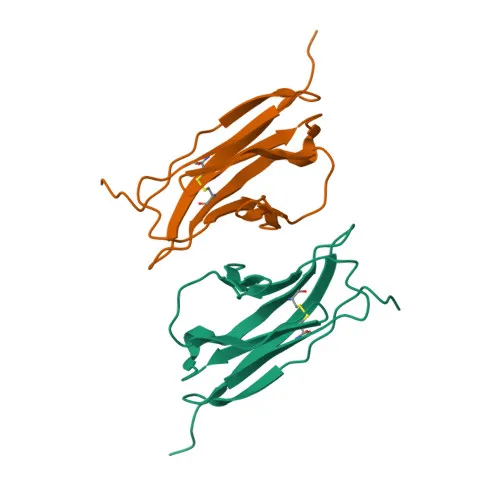
- CADM3 (Cell adhesion molecule 3), also known as NECL1, SynCAM3, IGSF4B, or TSLL1, is a member of the immunoglobulin superfamily and nectin-like family of adhesion molecules. It is expressed primarily in the brain, with isoform 1 in adult and fetal brain and isoform 2 highly in adult brain cerebellum and weakly in placenta.
- It mediates calcium-independent homophilic cell-cell adhesion and heterophilic interactions with nectin-1, nectin-3, and IGSF4/CADM1, contributing to synaptic organization and cell junction stability.
- CADM3 localizes to the cell membrane and cell junctions, where it may interact with EPB41L1 (erythrocyte membrane protein band 4.1-like 1) to regulate junctional structure and function (By similarity).
- Post-translational modifications include glycosylation and phosphorylation, and the protein contains transmembrane and immunoglobulin-like domains essential for adhesion.
- Alternative splicing generates multiple isoforms, and mutations in CADM3 are associated with Charcot-Marie-Tooth disease type 2FF (CMT2FF), highlighting its role in peripheral nerve integrity and neurodegeneration.
Experimental Guidance and Technical Tips
- The immunogen spans amino acids 25–330, covering the extracellular region; this polyclonal antibody may recognize multiple isoforms and is suitable for detecting CADM3 in Western blot and ELISA.
- For Western blot, consider using brain tissue lysates (cerebellum for isoform 2) to maximize signal, and validate the observed band(s) against the predicted 43 kDa molecular weight, accounting for glycosylation shifts.
- When setting up ELISA, optimize coating conditions and use appropriate positive controls (e.g., recombinant CADM3 or brain homogenates), noting the antibody’s cross-reactivity with mouse and rat orthologs.
CamelBio: Your One-Stop Sourcing Bridge
CamelBio connects diagnostic manufacturers, labs, and research institutes with a comprehensive range of IVD raw materials, offering validated antibody pairs, optimized polyclonal and monoclonal antibodies, and ancillary reagents. For CADM3, a key target in neuroscience and potential biomarker for neurodegenerative disorders, we can supply bulk quantities of detection antibodies and assist in sourcing rare raw materials to support your assay development from concept to clinic.
REQUEST A QUOTE
Our professional team will reply to you within one business day. Please feel free to contact us!