Monoclonal Antibodies
Anti-CAD Rabbit Monoclonal Antibody for WB, IF/ICC, ELISA - P27708
Item Number : CM0009408
Price varies based on specs and customizations
- Application
- WB, IF/ICC, ELISA
- Cross Reactivity
- Human
- Protein Weight
- 243kDa

Shipping:
Contact us to get shipping details Enjoy On-time Dispatch Guarantee.
Why Choose Us
Easy ordering process, quality products, and dedicated support for your business success.
Core Product Specifications and Parameters
| Parameter | Value |
|---|---|
| Product Name | CAD Rabbit mAb |
| Remarks/Alias | CDG1Z; DEE50; GATD4; EIEE50; CAD |
| Species | Human |
| GeneID (Human) | 790 |
| GeneID | 790 |
| Immunogen | Synthetic Peptide: A synthetic peptide corresponding to a sequence within amino acids 1-100 of human CAD (P27708). |
| Source | Rabbit |
| Category | Monoclonal Antibodies |
| Application | WB, IF/ICC, ELISA |
| Cross Reactivity | Human |
| SWISS | P27708 |
| Protein Weight | 243kDa |
| Shipping | Ice bag |
Biological Background: CAD Function and Localization
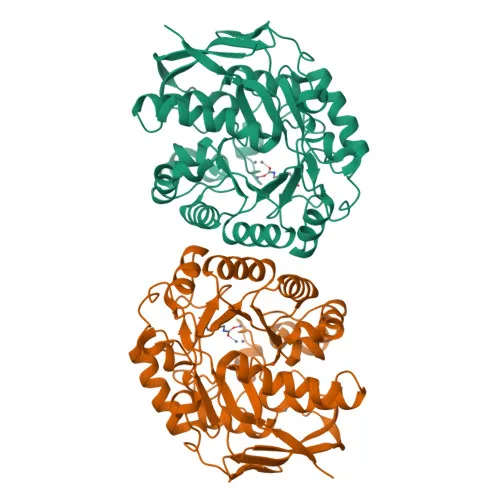
- CAD is a large multifunctional enzyme that encodes the first three activities of the de novo pyrimidine biosynthesis pathway: carbamoyl phosphate synthetase (CPSase), aspartate transcarbamylase (ATCase), and dihydroorotase (DHOase).
- The CPSase activity involves a glutamine-dependent amidotransferase (GATase) domain that generates ammonia, which is then used by the synthetase domain to produce carbamoyl phosphate from ATP and bicarbonate.
- The carbamoyl phosphate produced is channeled to the ATCase active site, which catalyzes the formation of carbamoyl-L-aspartate from L-aspartate.
- Finally, the DHOase domain cyclizes carbamoyl aspartate to form dihydroorotate, the precursor for UMP synthesis.
- CAD is localized in both the cytoplasm and nucleus.
- Post-translational modifications of CAD include acetylation and phosphorylation, which regulate its activity and pathway flux.
- Mutations in the CAD gene are associated with congenital disorders of glycosylation (CDG1Z) and developmental and epileptic encephalopathy (DEE50, EIEE50).
- The protein has a molecular weight of approximately 243 kDa and contains multiple domains with binding sites for ATP, metal ions (magnesium, manganese, zinc), and nucleotides.
Experimental Guidance and Technical Tips
- The immunogen is a synthetic peptide corresponding to the N-terminal region (aa 1–100) of human CAD, likely targeting the GATase domain. Verify specificity in relevant cell models.
- For western blot detection of the 243 kDa protein, use a low-percentage (e.g., 6–8%) polyacrylamide gel and extended transfer times to ensure efficient transfer.
- In IF/ICC, consider 4% PFA fixation and 0.1% Triton X-100 permeabilization to detect both cytoplasmic and nuclear pools.
- For ELISA, the antibody can be applied in direct or sandwich formats; include the immunogen peptide as a positive control.
- Endogenous CAD expression varies among cell types; validate the antibody in your experimental system, such as HeLa or HEK293 cells.
- Cross-reactivity with species other than human has not been determined; perform sequence alignment if testing non-human samples.
CamelBio: Your One-Stop Sourcing Bridge
CamelBio offers diagnostic manufacturers and research laboratories a comprehensive selection of IVD raw materials, including high-quality anti-CAD monoclonal antibodies. Whether you need validated antibody pairs, bulk ancillary reagents, or assistance in developing pyrimidine metabolism assays, CamelBio provides reliable sourcing solutions from concept to clinic. Our supply capabilities cover a wide range of targets, with one-stop access to optimized monoclonal and polyclonal antibodies, rare target raw materials, and customized technical consultation.
REQUEST A QUOTE
Our professional team will reply to you within one business day. Please feel free to contact us!