Polyclonal Antibodies
Anti-CACNA1E Rabbit Polyclonal Antibody for WB, ELISA - Q15878
Item Number : CM0015021
Price varies based on specs and customizations
- Application
- WB, ELISA
- Cross Reactivity
- Human, Mouse, Rat

Shipping:
Contact us to get shipping details Enjoy On-time Dispatch Guarantee.
Why Choose Us
Easy ordering process, quality products, and dedicated support for your business success.
Core Product Specifications and Parameters
| Parameter | Value |
|---|---|
| Product Name | CACNA1E Rabbit pAb |
| Remarks/Alias | BII; CACH6; DEE69; gm139; Cav2.3; EIEE69; CACNL1A6; CACNA1E |
| Species | Human |
| GeneID (Human) | 777 |
| GeneID | 777 |
| Immunogen | Recombinant fusion protein containing a sequence corresponding to amino acids 2014-2313 of human CACNA1E (NP_001192222.1) |
| Source | Rabbit |
| Category | Polyclonal Antibodies |
| Application | WB, ELISA |
| Cross Reactivity | Human, Mouse, Rat |
| SWISS | Q15878 |
| Protein Weight | 262kDa |
| Shipping | Ice bag |
Biological Background: CACNA1E Function and Localization
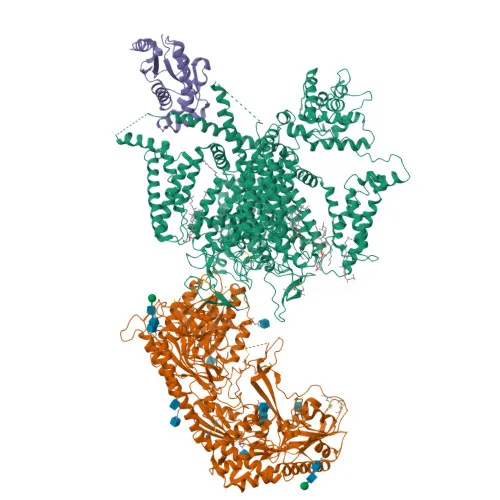
- CACNA1E encodes the alpha-1E subunit of voltage-sensitive calcium channels (VSCC), which mediate calcium ion entry into excitable cells, a process critical for cellular excitability and signaling. Related references: PMID:30343943
- The channel gives rise to R-type calcium currents, which are high-voltage activated and blocked by nickel, but insensitive to dihydropyridines, distinguishing them from other calcium channel types.
- CACNA1E is expressed predominantly in neuronal tissues and kidney, where it modulates neuronal firing patterns essential for information processing.
- The protein localizes to the membrane and contains multiple transmembrane domains, characteristic of ion channel architecture.
- Post-translational modifications include glycosylation and phosphorylation, and alternative splicing generates multiple isoforms, adding functional diversity.
- Mutations in CACNA1E are associated with developmental and epileptic encephalopathy (DEE69), underscoring its clinical relevance in neurodevelopmental disorders.
Experimental Guidance and Technical Tips
- The immunogen targets the C-terminal region (amino acids 2014–2313) of human CACNA1E; consider this when interpreting potential isoform recognition.
- For Western blot, expect a band around 262 kDa; use appropriate membrane and molecular weight markers, and optimize transfer conditions for high-molecular-weight proteins.
- Validate antibody specificity in relevant sample systems (e.g., neuronal lysates) and include appropriate controls, especially given the polyclonal nature.
- When using ELISA, consider antigen coating conditions and detection methods, and validate with known positive and negative samples.
- The antibody’s cross-reactivity with mouse and rat allows testing in rodent models, but verify species-specific performance.
CamelBio: Your One-Stop Sourcing Bridge
CamelBio supports diagnostic manufacturers and research laboratories with one-stop access to IVD raw materials and technical services. This CACNA1E antibody aids in ion channel and neuroscience research, and CamelBio can supply validated antibody pairs, optimized polyclonal antibodies, bulk ancillary reagents, and rare-target sourcing to streamline your workflow from discovery to development.
REQUEST A QUOTE
Our professional team will reply to you within one business day. Please feel free to contact us!