Polyclonal Antibodies
Anti-C18orf8 Rabbit Polyclonal Antibody for WB, IHC-P, IF/ICC, ELISA - Q96DM3
Item Number : CM0020235
Price varies based on specs and customizations
- Application
- WB, IHC-P, IF/ICC, ELISA
- Cross Reactivity
- Human, Mouse, Rat
- Protein Weight
- 75kDa

Shipping:
Contact us to get shipping details Enjoy On-time Dispatch Guarantee.
Why Choose Us
Easy ordering process, quality products, and dedicated support for your business success.
Core Product Specifications and Parameters
| Parameter | Details |
|---|---|
| Product Name | C18orf8 Rabbit pAb |
| Remarks/Alias | MIC1; Mic-1; WDR98; C18orf8; HsT2591 |
| Species | Human |
| Gene ID (Human) | 29919 |
| Gene ID | 29919 |
| Immunogen | Recombinant fusion protein containing a sequence corresponding to amino acids 1-300 of human C18orf8 (NP_037458.3) |
| Source | Rabbit |
| Category | Polyclonal Antibodies |
| Application | WB, IHC-P, IF/ICC, ELISA |
| Cross Reactivity | Human, Mouse, Rat |
| SWISS | Q96DM3 |
| Protein Weight | 75kDa |
| Shipping | Ice bag |
Biological Background: C18orf8 Function and Localization
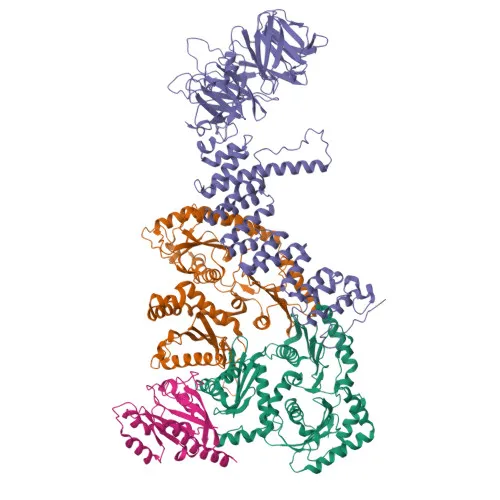
- C18orf8, also known as RMC1, MIC1, or WDR98, is a WD repeat-containing protein that acts as a positive regulator of the CCZ1-MON1 RAB7A guanine nucleotide exchange factor (GEF) complex. Related references: PMID:29038162
- It is essential for maintaining endosomal and autophagic flux by facilitating efficient RAB7A recruitment and activation at endolysosomal membranes.
- The protein localizes primarily to the lysosome membrane and late endosome membrane, consistent with its role in late endosomal trafficking.
- RMC1 was originally identified as a colon cancer-associated protein (Mic-1), suggesting potential links between endosomal trafficking and tumorigenesis.
- As a component of the MON1-CCZ1-RMC1 complex, it coordinates RAB7A-mediated maturation of endosomes and autophagosomes.
- Keywords: Autophagy, Endosome, Lysosome, Membrane, and WD repeat.
Experimental Guidance and Technical Tips
- The immunogen was designed against the N-terminal region (amino acids 1-300) of human C18orf8. This region may contain conserved domains across species, supporting the observed cross-reactivity with mouse and rat.
- For Western blot (WB), the predicted molecular weight is ~75 kDa. Consider using appropriate percentage SDS-PAGE gels for optimal separation and verify band specificity with knockout or knockdown controls.
- For immunohistochemistry (IHC-P) and immunofluorescence (IF/ICC), appropriate antigen retrieval and permeabilization methods may be required, especially considering the membrane localization of C18orf8.
- ELISA applications can be optimized by titrating the antibody concentration and using validated recombinant protein standards.
- Since C18orf8 is involved in autophagy, consider using treatments that induce autophagy (e.g., starvation or rapamycin) to enhance detection in functional studies.
- As a polyclonal antibody, batch-to-batch variability may occur; validate each new lot in your experimental system.
CamelBio: Your One-Stop Sourcing Bridge
CamelBio provides diagnostic manufacturers and research labs with comprehensive access to IVD raw materials, including validated antibodies, antigens, and ancillary reagents. This anti-C18orf8 polyclonal antibody is a valuable tool for studying autophagy and endosomal trafficking, and CamelBio can support your projects with bulk quantities and technical consultation. For rare targets or customized antibody development, our sourcing network streamlines procurement from concept to clinic.
Product Datasheet
Anti-C18orf8 Rabbit Polyclonal Antibody for WB, IHC-P, IF/ICC, ELISA - Q96DM3
REQUEST A QUOTE
Our professional team will reply to you within one business day. Please feel free to contact us!