Polyclonal Antibodies
Anti-c-Myc Rabbit Polyclonal Antibody for WB, ELISA - P01106
Item Number : CM0016390
Price varies based on specs and customizations
- Application
- WB, ELISA
- Cross Reactivity
- Human, Mouse
- Protein Weight
- 51kDa

Shipping:
Contact us to get shipping details Enjoy On-time Dispatch Guarantee.
Why Choose Us
Easy ordering process, quality products, and dedicated support for your business success.
Core Product Specifications and Parameters
| Parameter | Value |
|---|---|
| Product Name | c-Myc Rabbit pAb |
| Remarks/Alias | MRTL; MYCC; c-Myc; bHLHe39 |
| Species | Human |
| GeneID (Human) | 4609 |
| GeneID | 4609 |
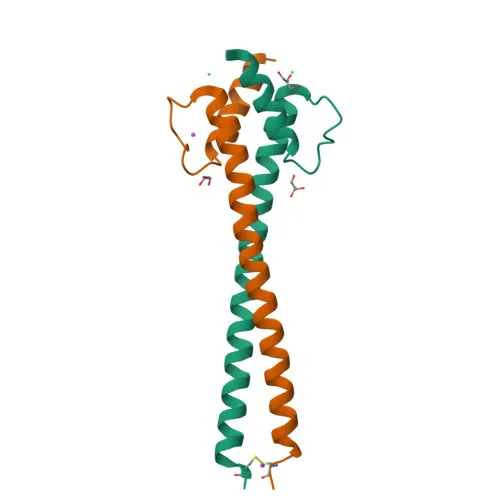
| Immunogen | Recombinant fusion protein containing a sequence corresponding to amino acids 347-439 of human c-Myc (NP_001341799.1). |
| Source | Rabbit |
| Category | Polyclonal Antibodies |
| Application | WB, ELISA |
| Cross Reactivity | Human, Mouse |
| SWISS | P01106 |
| Protein Weight | 51kDa |
| Shipping | Ice bag |
Biological Background: c-Myc Function and Localization
- c-Myc acts as a transcription factor that binds DNA non-specifically and also specifically recognizes the core sequence 5'-CAC[GA]TG-3', thereby activating transcription of growth-related genes. Related references: PMID:24940000 PMID:25956029
- It promotes angiogenesis by binding to the VEGFA promoter and inducing VEGFA production, facilitating sprouting angiogenesis. Related references: PMID:24940000 PMID:25956029
- c-Myc is a key regulator of somatic cell reprogramming and controls embryonic stem cell self-renewal (By similarity).
- It positively regulates the transcription of HNRNPA1, HNRNPA2, and PTBP1, which in turn modulate alternative splicing of pyruvate kinase PKM, favoring the production of the PKM2 isoform. Related references: PMID:20010808
- The protein is mainly localized in the nucleus (nucleoplasm and nucleolus) but can also be found in the cytoplasm and associated with chromosomes.
- Post-translational modifications include acetylation, phosphorylation, glycosylation, and ubiquitination, which regulate its stability, localization, and activity.
- c-Myc belongs to the basic helix-loop-helix (bHLH) transcription factor family, class E, also known as bHLHe39.
Experimental Guidance and Technical Tips
- The immunogen spans the C-terminal portion (amino acids 347-439) of human c-Myc. This region shows high conservation across species, consistent with the reported cross-reactivity with mouse. Users may consider verifying reactivity with other species of interest.
- For Western blot analysis, a band corresponding to the predicted molecular weight of approximately 51 kDa should be detected. Optimize lysis buffers and loading to clearly resolve this band, as c-Myc may be expressed at low levels in some samples.
- When performing ELISA, it is advisable to determine the optimal coating antigen concentration and antibody dilution by titration to achieve robust signal differentiation.
- Include appropriate controls such as cell lines with known c-Myc expression levels to confirm specificity in your experimental setup.
CamelBio: Your One-Stop Sourcing Bridge
CamelBio provides diagnostic manufacturers, laboratories, and research institutes with one-stop access to IVD raw materials, technical services, and consulting. Our anti-c-Myc polyclonal antibody facilitates research in oncogene signaling, transcription regulation, and stem cell biology. We offer validated antibody pairs, optimized monoclonal and polyclonal antibodies, bulk ancillary reagents, and rare target raw-material sourcing to support your assay development from concept to clinic.
REQUEST A QUOTE
Our professional team will reply to you within one business day. Please feel free to contact us!