Polyclonal Antibodies
Anti-BUB1B Polyclonal Antibody for WB, IF/ICC, ELISA - O60566
Item Number : CM0023837
Price varies based on specs and customizations
- Application
- WB, IF/ICC, ELISA
- Cross Reactivity
- Human, Mouse, Rat
- Protein Weight
- 120kDa

Shipping:
Contact us to get shipping details Enjoy On-time Dispatch Guarantee.
Why Choose Us
Easy ordering process, quality products, and dedicated support for your business success.
Core Product Specifications and Parameters
| Parameter | Value |
|---|---|
| Product Name | BUB1B Rabbit pAb |
| Remarks/Alias | MVA1; SSK1; BUBR1; Bub1A; MAD3L; hBUBR1; BUB1beta; BUB1B |
| Species | Human |
| GeneID | 701 |
| Immunogen | Recombinant fusion protein containing a sequence corresponding to amino acids 1-260 of human BUB1B (NP_001202.4) |
| Source | Rabbit |
| Category | Polyclonal Antibodies |
| Application | WB, IF/ICC, ELISA |
| Cross Reactivity | Human, Mouse, Rat |
| SWISS | O60566 |
| Protein Weight | 120kDa |
| Shipping | Ice bag |
Biological Background: BUB1B Function and Localization
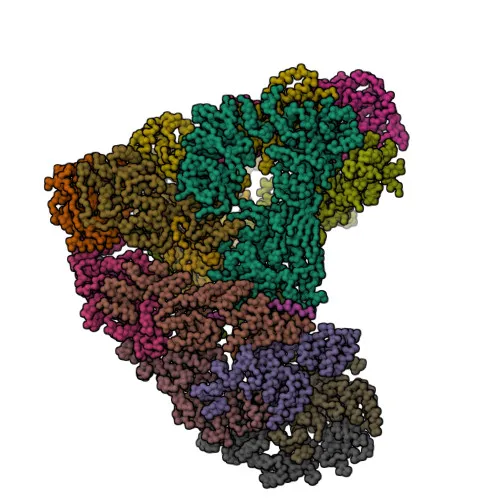
- BUB1B (also known as BUBR1, MAD3L, SSK1) is a serine/threonine-protein kinase that belongs to the BUB1 family and is a core component of the mitotic checkpoint complex (MCC).
- As part of the MCC (together with CDC20, MAD2L1, and BUB3), BUB1B inhibits the anaphase-promoting complex/cyclosome (APC/C), delaying chromosome segregation until all chromosomes are correctly attached to the mitotic spindle. It also monitors kinetochore activities dependent on CENPE and is required for kinetochore localization of CENPE. Related references: PMID:27509861 PMID:11702782 PMID:14706340 PMID:15020684 PMID:10477750 PMID:19503101
- BUB1B negatively regulates PLK1 activity in interphase cells, thereby suppressing centrosome amplification. It may also function as a tumor suppressor. Related references: PMID:19503101
- Subcellular localization includes the cytoplasm, nucleus, centromere/kinetochore, and centrosome.
- Highly expressed in thymus and spleen, and preferentially found in tissues with a high mitotic index.
- Post‑translational modifications include acetylation and phosphorylation; the protein is part of ubiquitin conjugation pathways. Multiple isoforms exist via alternative splicing, and mutations are associated with disease variants.
Experimental Guidance and Technical Tips
- The immunogen covers the N‑terminal region (aa 1‑260) of human BUB1B; this design is suitable for detecting total BUB1B protein in samples.
- For Western blotting, expect a band near 120 kDa; optimize gel percentage, transfer conditions, and blocking to minimize nonspecific signals.
- In immunofluorescence/ICC, use mitotic cell preparations to observe characteristic kinetochore/centromere localization; co‑staining with spindle or kinetochore markers is recommended.
- ELISA applications may be used for relative quantification, but assay conditions should be validated in the relevant sample system.
- Always include appropriate positive and negative controls, and confirm antibody reactivity in your specific experimental context.
CamelBio: Your One-Stop Sourcing Bridge
CamelBio serves as a one‑stop partner for IVD raw‑material sourcing, offering validated antibody pairs, optimized monoclonal/polyclonal antibodies, and bulk ancillary reagents. Our anti‑BUB1B polyclonal antibody supports research into mitotic checkpoint regulation and cell cycle control. For customized sourcing of rare‑target antibodies or other cell cycle‑related raw materials, CamelBio provides tailored procurement solutions.
REQUEST A QUOTE
Our professional team will reply to you within one business day. Please feel free to contact us!