Polyclonal Antibodies
Anti-BTK Polyclonal Antibody for WB, IHC-P, ELISA - Q06187
Item Number : CM0018107
Price varies based on specs and customizations
- Application
- WB, IHC-P, ELISA
- Cross Reactivity
- Human, Mouse, Rat
- Protein Weight
- 76kDa

Shipping:
Contact us to get shipping details Enjoy On-time Dispatch Guarantee.
Why Choose Us
Easy ordering process, quality products, and dedicated support for your business success.
Core Product Specifications and Parameters
| Parameter | Value |
|---|---|
| Product Name | BTK Rabbit pAb |
| Remarks/Alias | AT; ATK; BPK; XLA; IMD1; AGMX1; IGHD3; PSCTK1; BTK |
| Species | Human |
| GeneID | 695 |
| Immunogen | Recombinant fusion protein containing a sequence corresponding to amino acids 30-240 of human BTK (NP_000052.1) |
| Source | Rabbit |
| Category | Polyclonal Antibodies |
| Application | WB, IHC-P, ELISA |
| Cross Reactivity | Human, Mouse, Rat |
| SWISS | Q06187 |
| Protein Weight | 76kDa |
| Shipping | Ice bag |
Biological Background: BTK Function and Localization
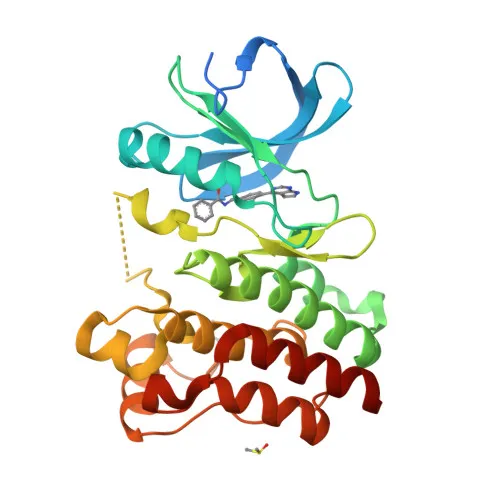
- BTK (Bruton tyrosine kinase) is a non-receptor tyrosine kinase essential for B lymphocyte development, differentiation, and signaling. It phosphorylates PLCG2 in cooperation with BLNK after B-cell antigen receptor (BCR) engagement, igniting downstream calcium mobilization and protein kinase C activation. Related references: PMID:11606584
- Acts as a signaling platform bridging diverse pathways; involved in cytokine receptor signaling and Toll-like receptor (TLR) pathways, playing a critical role in innate and adaptive immunity. Related references: PMID:16517732 PMID:17932028
- Within the TLR pathway, BTK regulates TLR9 activation in splenic B-cells and mediates tyrosine phosphorylation of TIRAP, leading to its degradation. Related references: PMID:16415872 PMID:16517732 PMID:17932028
- Induces NF-kappa-B activity via TLR8/9 signaling, regulating transcription of hundreds of genes; also transiently phosphorylates transcription factor GTF2I, promoting its nuclear translocation and gene expression modulation. Related references: PMID:19290921 PMID:9012831
- Contributes to transcription regulation through ARID3A and NFAT; required for functional ARID3A DNA-binding complex formation, though no direct DNA binding has been demonstrated. Related references: PMID:16738337
- Exhibits a dual role in apoptosis regulation and participates in STING1-mediated type I interferon response by phosphorylating DDX41. Related references: PMID:9751072 PMID:25704810
- Subcellular localization includes cytoplasm, cell membrane, nucleus, and membrane rafts, reflecting its dynamic signaling roles. Predominantly expressed in B-lymphocytes.
- Protein features include SH2, SH3, and PH domains, a zinc-finger motif, and a kinase domain; post-translational modifications such as phosphorylation and acetylation regulate its activity.
Experimental Guidance and Technical Tips
- The immunogen spans the N-terminal PH and TH domains (aa 30-240), which mediate membrane targeting and protein-protein interactions. This may enable recognition of both phosphorylated and unphosphorylated BTK forms.
- For Western blot, a band at approximately 76 kDa is expected; validate expression using B-lymphocyte cell lines (e.g., Ramos, Raji) and appropriate loading controls.
- In IHC-P, consider heat-induced epitope retrieval and confirm staining pattern in B-cell-rich tissues such as spleen or lymph node; isotype controls recommended.
- For ELISA, titrate the antibody to determine optimal coating and detection concentrations; cross-reactivity with mouse and rat BTK may facilitate multispecies studies.
- Note that BTK is expressed at low levels in non-B cells; inclusion of proper sample controls is advised to avoid false negatives.
CamelBio: Your One-Stop Sourcing Bridge
CamelBio provides diagnostic manufacturers and research laboratories with a streamlined one-stop procurement platform for IVD raw materials, technical services, and consulting. This BTK polyclonal antibody supports research into B-cell signaling, immunodeficiencies, and kinase-targeted therapies; complementary offerings include validated antibody pairs, optimized monoclonal/polyclonal antibodies, bulk ancillary reagents, and rare target raw-material sourcing to accelerate your assay development from concept to clinic.
REQUEST A QUOTE
Our professional team will reply to you within one business day. Please feel free to contact us!