Polyclonal Antibodies
Anti-BST2 (CD317/Tetherin) Rabbit Polyclonal Antibody for WB, IHC-P, IF/ICC, ELISA - Q10589
Item Number : CM0017709
Price varies based on specs and customizations
- Application
- WB, IHC-P, IF/ICC, ELISA
- Cross Reactivity
- Human, Mouse
- Protein Weight
- 20kDa

Shipping:
Contact us to get shipping details Enjoy On-time Dispatch Guarantee.
Why Choose Us
Easy ordering process, quality products, and dedicated support for your business success.
Core Product Specifications and Parameters
| Parameter | Value |
|---|---|
| Product Name | BST2 Rabbit pAb |
| Remarks/Alias | CD317; HM1.24; TETHERIN; BST2 |
| Species | Human |
| GeneID (Human) | 684 |
| Immunogen | Recombinant fusion protein containing a sequence corresponding to amino acids 49-161 of human BST2 (NP_004326.1). |
| Source | Rabbit |
| Category | Polyclonal Antibodies |
| Application | WB, IHC-P, IF/ICC, ELISA |
| Cross Reactivity | Human, Mouse |
| SWISS | Q10589 |
| Protein Weight | 20kDa |
| Shipping | Ice bag |
Biological Background: BST2 Function and Localization
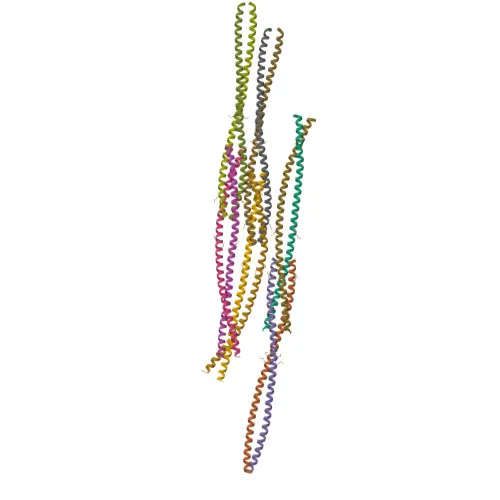
- Protein Identity and Isoforms: Bone marrow stromal antigen 2 (BST2, also known as CD317, HM1.24, or Tetherin) is a lipid-raft associated, type II transmembrane glycoprotein with a unique topology involving an N-terminal signal-anchor transmembrane domain and a C-terminal GPI anchor. Isoform 1 and isoform 2 are both effective antiviral restriction factors but differ in signaling activities and resistance to viral antagonism. Related references: PMID:23028328, PMID:26172439
- Antiviral Restriction Mechanism: BST2 acts as a direct physical tether that links nascent enveloped virus particles to the plasma membrane or to each other, preventing their release and spread as cell-free virions. Tethered virions may be internalized and degraded or remain surface-bound. Related references: PMID:18200009, PMID:18342597, PMID:19036818
- Target Virus Spectrum: BST2 restricts a broad range of mammalian viruses, including retroviruses (HIV-1, HIV-2, SIV, HTLV-1, MLV, etc.), filoviruses (EBOV, MARV), arenaviruses (LASV, MACV), herpesviruses (KSHV), rhabdoviruses (VSV), orthomyxoviruses (influenza A), paramyxoviruses (Nipah), and coronaviruses (SARS-CoV). Related references: PMID:18200009, PMID:18342597, PMID:19179289
- Regulation of Metalloproteinases: BST2 can inhibit cell surface proteolytic activity of MMP14, leading to decreased activation of MMP15 and resulting in inhibition of cell growth and migration. Related references: PMID:22065321
- Immunomodulatory Signaling: Through interaction with LILRA4/ILT7 on plasmacytoid dendritic cells, BST2 provides negative feedback to limit IFN production during viral infection. Additionally, isoform 1 can activate NF-kappa-B signaling, an activity inhibited by isoform 2. Related references: PMID:19564354, PMID:26172439, PMID:23028328
- Subcellular Localization: BST2 resides predominantly on the plasma membrane, in membrane rafts, and within the trans-Golgi network. It also localizes to late endosomes and the apical membrane in polarized epithelial cells, and can be found in the cytoplasm.
- Tissue and Cellular Expression: BST2 is highly expressed in liver, lung, heart, and placenta, with lower levels in pancreas, kidney, skeletal muscle, and brain. At the protein level, it is overexpressed in multiple myeloma cells and highly expressed during B-cell development (from pro-B to plasma cells), as well as on T-cells, monocytes, NK cells, and dendritic cells.
Experimental Guidance and Technical Tips
- The immunogen (amino acids 49–161) corresponds to the extracellular domain of human BST2, predicting recognition of the mature protein’s exposed region. Consider this for applications requiring surface staining or native conformation.
- For Western blot, the predicted molecular weight is ~20 kDa; however, post-translational modifications (e.g., glycosylation, GPI anchor) may cause migration shifts. Validate detection in the relevant lysate with appropriate controls.
- In immunofluorescence (IF/ICC), expect plasma membrane and perinuclear (Golgi) staining. Co-stain with organelle markers to confirm localization.
- For immunohistochemistry (IHC-P), human liver, lung, or multiple myeloma tissue sections serve as positive controls. Mouse tissues may show cross-reactivity; optimize antigen retrieval.
- ELISA applications: use as a capture or detection antibody after confirming specificity with known antigen standards.
CamelBio: Your One-Stop Sourcing Bridge
CamelBio provides diagnostic manufacturers and research laboratories with streamlined access to IVD raw materials, from validated antibody pairs and polyclonal/monoclonal antibodies to bulk ancillary reagents. This anti-BST2 antibody supports research in viral host restriction, innate immunity, and B-cell malignancies. For specialized sourcing needs or technical consultation, our one-stop platform bridges the gap from concept to clinic.
Product Datasheet
Anti-BST2 (CD317/Tetherin) Rabbit Polyclonal Antibody for WB, IHC-P, IF/ICC, ELISA - Q10589
REQUEST A QUOTE
Our professional team will reply to you within one business day. Please feel free to contact us!