Polyclonal Antibodies
Anti-BRMS1 Rabbit Polyclonal Antibody for WB, IHC-P, IF/ICC, ELISA - Q9HCU9
Item Number : CM0015294
Price varies based on specs and customizations
- Application
- WB, IHC-P, IF/ICC, ELISA
- Cross Reactivity
- Human, Mouse, Rat
- Protein Weight
- 28kDa

Shipping:
Contact us to get shipping details Enjoy On-time Dispatch Guarantee.
Why Choose Us
Easy ordering process, quality products, and dedicated support for your business success.
Core Product Specifications and Parameters
| Parameter | Specification |
|---|---|
| Product Name | BRMS1 Rabbit pAb |
| Remarks/Alias | BRMS1 |
| Species | Human |
| Gene ID (Human) | 25855 |
| Immunogen | Recombinant fusion protein containing a sequence corresponding to amino acids 90-210 of human BRMS1 (NP_056214.1) |
| Source | Rabbit |
| Category | Polyclonal Antibodies |
| Application | WB, IHC-P, IF/ICC, ELISA |
| Cross Reactivity | Human, Mouse, Rat |
| SWISS | Q9HCU9 |
| Protein Weight | 28kDa |
| Shipping | Ice bag |
Biological Background: BRMS1 Function and Localization
- BRMS1 (Breast cancer metastasis-suppressor 1) is a transcriptional repressor that inhibits NF-kappa-B-mediated transcription by promoting deacetylation of RELA at Lys-310 and facilitating HDAC1 recruitment to target gene promoters.
- It suppresses the expression of anti-apoptotic genes regulated by NF-kappa-B, thereby promoting programmed cell death.
- BRMS1 induces anoikis, a form of apoptosis triggered by inadequate cell-substrate adhesion, which is a critical mechanism for preventing metastasis.
- The protein acts as a metastasis suppressor, particularly in breast carcinoma, by inhibiting the spread of cancer cells.
- Subcellularly, BRMS1 localizes to both the nucleus and cytoplasm, consistent with its roles in transcriptional regulation and signaling.
- Expression levels of BRMS1 are higher in term placentas compared to early placentas, with low expression observed in normal and molar pregnancies.
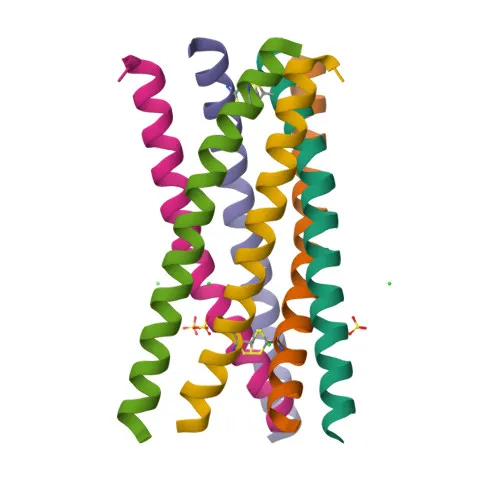
- Key structural features include coiled-coil domains, and the protein undergoes isopeptide bond formation and ubiquitination. It is classified as a tumor suppressor involved in transcription regulation and apoptosis.
Experimental Guidance and Technical Tips
- The immunogen spans amino acids 90-210 of human BRMS1, a region that may avoid homology with closely related proteins, but cross-reactivity with endogenous BRMS1 should be verified in knockout cell lines or tissues.
- For Western blot, a band at ~28 kDa is expected. Since BRMS1 may have low abundance, consider enriching nuclear extracts or using a positive control like breast cancer cell lines with known expression levels.
- In immunohistochemistry (IHC-P), antigen retrieval methods and antibody dilution should be optimized for each tissue type; validate with adjacent sections using a negative control (e.g., IgG isotype).
- For IF/ICC, both nuclear and cytoplasmic staining may be observed; include a nuclear counterstain to assess localization.
- ELISA performance relies on the recombinant immunogen; for sandwich ELISA, pairing with a detection antibody may be required. Validate with recombinant BRMS1 standard curves.
CamelBio: Your One-Stop Sourcing Bridge
CamelBio supplies high-quality raw materials, including this anti-BRMS1 antibody, to support research in cancer metastasis and apoptosis. Whether you need validated antibody pairs for immunoassay development, optimized monoclonal or polyclonal antibodies, or ancillary bulk reagents, our one-stop platform streamlines sourcing from concept to clinic. Contact us to discuss your specific requirements for rare target raw materials.
Product Datasheet
Anti-BRMS1 Rabbit Polyclonal Antibody for WB, IHC-P, IF/ICC, ELISA - Q9HCU9
REQUEST A QUOTE
Our professional team will reply to you within one business day. Please feel free to contact us!