Polyclonal Antibodies
Anti-BPIFA1 Polyclonal Antibody for WB, ELISA - Q9NP55
Item Number : CM0029009
Price varies based on specs and customizations
- Application
- WB, ELISA
- Cross Reactivity
- Mouse, Rat
- Protein Weight
- 27kDa

Shipping:
Contact us to get shipping details Enjoy On-time Dispatch Guarantee.
Why Choose Us
Easy ordering process, quality products, and dedicated support for your business success.
Core Product Specifications and Parameters
| Parameter | Value |
|---|---|
| Product Name | BPIFA1 Rabbit pAb |
| Remarks/Alias | LUNX, NASG, PLUNC, SPURT, SPLUNC1, bA49G10.5, BPIFA1 |
| Species | Human |
| Gene ID | 51297 |
| Immunogen | Recombinant fusion protein containing a sequence corresponding to amino acids 20-256 of human BPIFA1 (NP_057667.1) |
| Source | Rabbit |
| Category | Polyclonal Antibodies |
| Application | WB, ELISA |
| Cross Reactivity | Mouse, Rat |
| SWISS | Q9NP55 |
| Protein Weight | 27kDa |
| Shipping | Ice bag |
Biological Background: BPIFA1 Function and Localization
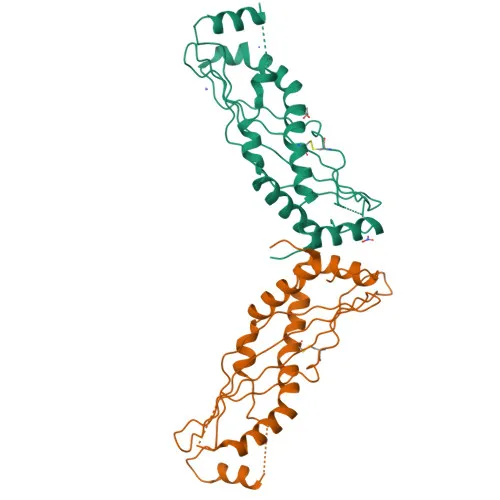
- BPIFA1 (BPI fold-containing family A member 1), also designated SPLUNC1, LUNX, and PLUNC, is a secreted protein that belongs to the BPI/LBP/PLUNC superfamily of lipid-binding proteins.
- It binds with high specificity to the surfactant phospholipid dipalmitoylphosphatidylcholine (DPPC), playing a critical role in airway innate immunity. Related references: PMID:25223608
- BPIFA1 reduces surface tension in airway epithelial secretions and inhibits biofilm formation by pathogenic Gram-negative bacteria, including Pseudomonas aeruginosa and Klebsiella pneumoniae. Related references: PMID:23132494, PMID:23499554, PMID:27145151
- As a negative regulator of SCNN1G proteolytic cleavage, BPIFA1 modulates epithelial sodium channel (ENaC) activation, thereby contributing to airway surface liquid homeostasis and effective mucus clearance. Related references: PMID:24043776, PMID:24124190
- In the upper airways, BPIFA1 participates in the inflammatory response following exposure to irritants and may facilitate the recruitment of macrophages and neutrophils. Related references: PMID:11425234, PMID:23132494
- The protein is highly expressed in the lung (especially trachea), upper airways, nasopharyngeal regions, and also in the eye (lacrimal gland, eyelid, conjunctiva, cornea), localizing predominantly to epithelial cells and submucosal glands.
- Beyond normal tissues, BPIFA1 expression has been detected in lung cancers and other tumor types, suggesting a potential role in cancer biology.
Experimental Guidance and Technical Tips
- The immunogen comprises amino acids 20–256 of human BPIFA1, which spans the majority of the extracellular domain; consider using this polyclonal antibody to detect endogenous secreted BPIFA1 in cell culture supernatants or biological fluids.
- For Western blot applications, validate the antibody in relevant model systems, such as lung epithelial cell lines (e.g., A549, Calu-3) or bronchoalveolar lavage fluid, and include appropriate controls.
- Given reported cross-reactivity with mouse and rat, this antibody may be suitable for translational studies using rodent models of airway inflammation or infection; however, validation under your specific conditions is recommended.
- For ELISA, optimize coating and detection conditions, and consider pairing with a monoclonal anti-BPIFA1 antibody to establish a sensitive sandwich assay.
CamelBio: Your One-Stop Sourcing Bridge
CamelBio offers a one-stop sourcing solution for IVD raw materials, including this anti-BPIFA1 polyclonal antibody for respiratory and innate immunity research. With capability in validated antibody pairs, bulk reagents, and rare target material acquisition, CamelBio helps bridge your development needs from concept to clinic.
REQUEST A QUOTE
Our professional team will reply to you within one business day. Please feel free to contact us!