Polyclonal Antibodies
Anti-BPI Rabbit Polyclonal Antibody for WB, ELISA - P17213
Item Number : CM0029472
Price varies based on specs and customizations
- Application
- WB, ELISA
- Reactivity
- Human, Mouse

Shipping:
Contact us to get shipping details Enjoy On-time Dispatch Guarantee.
Why Choose Us
Easy ordering process, quality products, and dedicated support for your business success.
Core Product Specifications and Parameters
| Parameter | Value |
|---|---|
| Product Name | BPI Rabbit pAb |
| Remarks/Alias | rBPI; BPIFD1; BPI |
| Species | Human |
| Gene ID | 671 |
| Immunogen | Recombinant fusion protein containing a sequence corresponding to amino acids 248-487 of human BPI (NP_001716.2). |
| Source | Rabbit |
| Category | Polyclonal Antibodies |
| Application | WB, ELISA |
| Cross Reactivity | Human, Mouse |
| SWISS | P17213 |
| Protein Weight | 54kDa |
| Shipping | Ice bag |
Biological Background: BPI Function and Localization
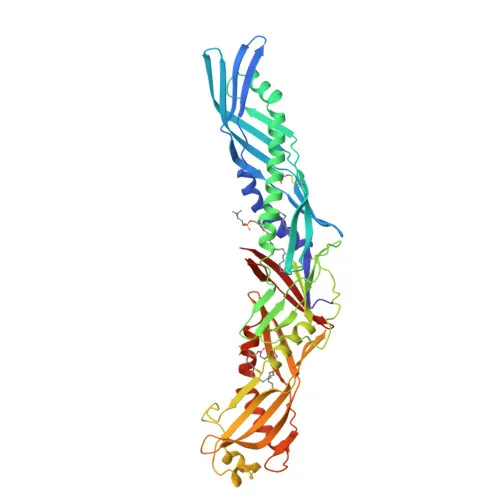
- Bactericidal permeability-increasing protein (BPI) is a 53.9 kDa secreted glycoprotein belonging to the BPI/LBP/Plunc superfamily, also known as CAP 57. It is encoded by the BPI gene in humans.
- BPI exerts potent antimicrobial activity selectively against many Gram-negative bacteria by binding with high affinity to lipopolysaccharides (LPS) in the bacterial outer membrane, leading to membrane permeabilization and bacterial killing.
- Specifically, recombinant BPI demonstrates antibacterial activity against Pseudomonas aeruginosa, and this activity is neutralized by excess LPS from the same organism, confirming LPS-dependent targeting.
- The protein localizes primarily to the membrane of cytoplasmic granules in myeloid cells and is secreted upon neutrophil activation, playing a critical role in innate immune defense.
- Tissue expression is restricted to cells of the myeloid lineage, including neutrophils and monocytes, consistent with its function in early host defense against bacterial infection.
- Post-translational modifications include disulfide bond formation and glycosylation, as indicated by UniProt keywords, which are likely important for structural stability and activity.
Experimental Guidance and Technical Tips
- The immunogen corresponds to amino acids 248–487 within the C-terminal region of human BPI. This region is distinct from the N-terminal LPS-binding domain, potentially allowing recognition of both full-length BPI and C-terminal fragments.
- For Western blot (WB), consider using reduced and non-reduced conditions to evaluate disulfide bond-dependent migration, as BPI contains multiple disulfide linkages that may affect apparent molecular weight.
- In ELISA applications, the antibody may be suitable for detecting native or recombinant BPI in solution; however, optimal coating conditions and antibody dilutions should be empirically determined.
- Given the myeloid-restricted expression, validate the antibody’s specificity in relevant positive control cell lines (e.g., differentiated HL-60 or primary neutrophils) and include knockout controls or blocking peptides where possible.
- Cross-reactivity with mouse BPI (predicted) should be confirmed experimentally in the target sample system, as sequence homology in the immunogen region may vary.
CamelBio: Your One-Stop Sourcing Bridge
CamelBio serves as a comprehensive one-stop platform for IVD raw-material sourcing, offering validated antibody pairs, optimized monoclonal/polyclonal antibodies, bulk ancillary reagents, and custom rare-target development. For researchers and manufacturers focusing on innate immunity and antimicrobial protein targets like BPI, CamelBio provides efficient procurement pathways and technical consulting, streamlining the transition from research concept to clinical application. Partner with us to secure high-quality reagents tailored to your diagnostic assay development needs.
REQUEST A QUOTE
Our professional team will reply to you within one business day. Please feel free to contact us!