Polyclonal Antibodies
Anti-BPGM Rabbit Polyclonal Antibody for WB, IF/ICC, ELISA - P07738
Item Number : CM0029751
Price varies based on specs and customizations
- Application
- WB, IF/ICC, ELISA
- Cross Reactivity
- Human, Mouse, Rat
- Protein Weight
- 30kDa

Shipping:
Contact us to get shipping details Enjoy On-time Dispatch Guarantee.
Why Choose Us
Easy ordering process, quality products, and dedicated support for your business success.
Core Product Specifications and Parameters
| Parameter | Specification |
|---|---|
| Product Name | BPGM Rabbit pAb |
| Remarks/Alias | DPGM; ECYT8; BPGM |
| Species | Human |
| GeneID (human) | 669 |
| GeneID | 669 |
| Immunogen | Recombinant fusion protein containing a sequence corresponding to amino acids 1-259 of human BPGM (NP_001715.1). |
| Source | Rabbit |
| Category | Polyclonal Antibodies |
| Application | WB, IF/ICC, ELISA |
| Cross Reactivity | Human, Mouse, Rat |
| SWISS | P07738 |
| Protein Weight | 30kDa |
| Shipping | Ice bag |
Biological Background: Bisphosphoglycerate Mutase Function and Localization
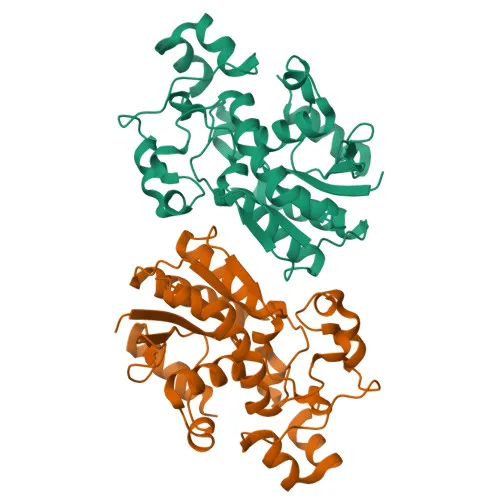
- BPGM (Bisphosphoglycerate mutase) is a ~30 kDa erythrocyte enzyme also known as 2,3-bisphosphoglycerate mutase, 2,3-bisphosphoglycerate synthase, or DPGM.
- It plays a central role in regulating hemoglobin oxygen affinity by controlling erythrocyte levels of 2,3-bisphosphoglycerate (2,3-BPG), an allosteric effector that decreases hemoglobin‑O2 binding.
- BPGM displays dual catalytic activities: a mutase (isomerase) function producing 2,3‑BPG from 1,3‑BPG and a synthase activity; it belongs to the phosphoglycerate mutase family.
- Expression is highest in red blood cells and also detected in the syncytiotrophoblast layer of placental villi at the feto‑maternal interface.
- Post‑translational modifications include acetylation, glycation, and phosphorylation, which may regulate enzyme activity or stability.
- Clinical significance: variants in BPGM are linked to congenital erythrocytosis (ECYT8) and hereditary hemolytic anemia due to disrupted 2,3‑BPG homeostasis.
- The protein is classified under glycolysis and is frequently identified in proteomics screens (UniProt reference proteome).
Experimental Guidance and Technical Tips
- The immunogen corresponds to full‑length human BPGM; cross‑reactivity with mouse and rat is reported, but always validate in your specific sample system.
- For Western blot, expect a band near 30 kDa; use erythrocyte lysates or placental tissue as positive controls.
- In immunofluorescence/ICC, consider targeting erythroid cells or trophoblast layers; optimize permeabilization and antibody dilution.
- For ELISA applications, titrate the antibody and select an appropriate coating antigen based on your assay design.
- Sequence conservation across species may yield additional cross‑reactivity; verify reactivity if using samples from other organisms.
- Handle and store the antibody according to the shipping condition (ice bag) to maintain stability.
CamelBio: Your One-Stop Sourcing Bridge
CamelBio provides diagnostic manufacturers, labs, and research institutes with one‑stop access to IVD raw materials, technical services, and consulting—covering every stage from concept to clinic. This anti‑BPGM polyclonal antibody supports research into erythrocyte metabolism, oxygen transport disorders, and associated diagnostic assay development. For bulk orders, customized antibody pairs, or additional ancillary reagents, CamelBio’s supply chain ensures reliable, quality‑controlled sourcing.
REQUEST A QUOTE
Our professional team will reply to you within one business day. Please feel free to contact us!