Monoclonal Antibodies
Anti-BOK Rabbit Monoclonal Antibody for WB and ELISA - Q9UMX3
Item Number : CM0006990
Price varies based on specs and customizations
- Application
- WB, ELISA
- Cross Reactivity
- Human, Mouse, Rat
- Protein Weight
- 23kDa

Shipping:
Contact us to get shipping details Enjoy On-time Dispatch Guarantee.
Why Choose Us
Easy ordering process, quality products, and dedicated support for your business success.
Core Product Specifications and Parameters
| Parameter | Value |
|---|---|
| Product Name | BOK Rabbit mAb |
| Remarks/Alias | BOKL; BCL2L9; BOK |
| Species | Human |
| GeneID (human) | 666 |
| GeneID | 666 |
| Immunogen | Synthetic peptide |
| Source | Rabbit |
| Category | Monoclonal Antibodies |
| Application | WB, ELISA |
| Cross Reactivity | Human, Mouse, Rat |
| SWISS | Q9UMX3 |
| Protein Weight | 23kDa |
| Shipping | Ice bag |
Biological Background: BOK Function and Localization
- Bcl-2-related ovarian killer protein (BOK) is a Bcl-2 family member and apoptosis regulator that can act as both a pro- and anti-apoptotic protein depending on cellular context.
- It promotes intrinsic apoptosis via mitochondrial outer membrane permeabilization, either dependently or independently of BAX/BAK1, in response to ER stress or proteasome inhibition. Related references: PMID:15102863 PMID:27076518
- BOK mediates TP53-dependent apoptosis following DNA damage. Related references: PMID:15102863
- It plays a role in granulosa cell apoptosis through CASP3 activation. Related references: PMID:20673843
- Beyond apoptosis, BOK can induce autophagy by disrupting the MCL1-BECN1 interaction. Related references: PMID:24113155
- BOK is expressed in multiple subcellular compartments including mitochondria, endoplasmic reticulum, Golgi, endosomes, nucleus, and cytoplasm.
- In adult human ovaries, BOK is strongest in primordial/primary follicle granulosa cells, consistent with a role in oocyte atresia.
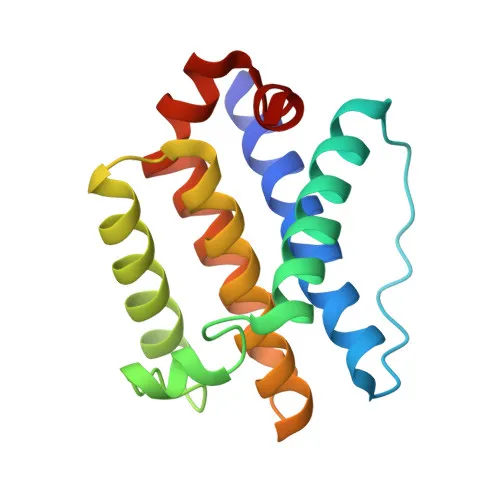
- Additional keywords: 3D-structure available, alternative splicing, phosphoprotein, ubiquitin conjugation, transmembrane helix.
Experimental Guidance and Technical Tips
- The immunogen is a synthetic peptide corresponding to the N-terminal region (aa 1-100) of human BOK; the antibody may recognize both full-length and truncated isoforms if the epitope is intact.
- For WB, consider using mitochondrial-enriched lysates from human, mouse, or rat cell lines to enhance detection of the ~23 kDa band.
- Validate antibody specificity in your experimental system using knockdown/knockout controls.
- The antibody has been tested for ELISA; for coating antigen, consider the immunogen peptide or recombinant BOK fragments.
- Optimize primary antibody dilution for your specific assay conditions.
CamelBio: Your One-Stop Sourcing Bridge
CamelBio serves as a comprehensive one-stop sourcing partner for IVD raw materials, offering validated antibodies, antigen pairs, and ancillary reagents to accelerate assay development. For apoptosis and mitochondrial pathway research, our portfolio includes high-quality monoclonal/polyclonal antibodies against BCL2 family members like BOK, along with customized bulk supply and rare-target sourcing capabilities. Partner with us to streamline your diagnostic raw-material procurement from concept to clinic.
REQUEST A QUOTE
Our professional team will reply to you within one business day. Please feel free to contact us!