Polyclonal Antibodies
Anti-BMPR1B Rabbit Polyclonal Antibody for WB, IHC-P, IF/ICC, ELISA - O00238
Item Number : CM0023181
Price varies based on specs and customizations
- Application
- WB, IHC-P, IF/ICC, ELISA
- Cross Reactivity
- Human, Mouse, Rat
- Protein Weight
- 57kDa

Shipping:
Contact us to get shipping details Enjoy On-time Dispatch Guarantee.
Why Choose Us
Easy ordering process, quality products, and dedicated support for your business success.
Core Product Specifications and Parameters
| Parameter | Value |
|---|---|
| Product Name | BMPR1B Rabbit pAb |
| Remarks/Alias | ALK6, AMD3, AMDD, BDA2, ALK-6, BDA1D, CDw293, BMPR1B |
| Species | Human |
| Gene ID | 658 |
| Immunogen | Recombinant fusion protein containing a sequence corresponding to amino acids 1-126 of human BMPR1B (NP_001194.1) |
| Source | Rabbit |
| Category | Polyclonal Antibodies |
| Application | WB, IHC-P, IF/ICC, ELISA |
| Cross Reactivity | Human, Mouse, Rat |
| SWISS | O00238 |
| Protein Weight | 57kDa |
| Shipping | Ice bag |
Biological Background: BMPR1B Function and Localization
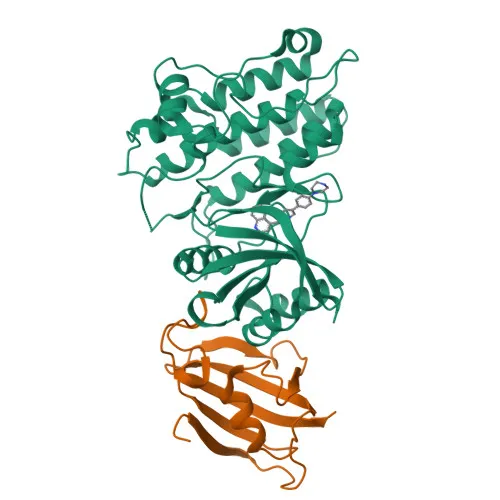
- BMPR1B (bone morphogenetic protein receptor type-1B), also known as ALK6, is a transmembrane serine/threonine kinase receptor that belongs to the transforming growth factor-beta (TGF-β) superfamily.
- Upon ligand binding, it forms a heteromeric receptor complex with type II receptors, which phosphorylate and activate the type I receptor, leading to phosphorylation of SMAD transcriptional regulators and transduction of BMP signals.
- BMPR1B functions as a specific receptor for BMP7 (OP-1) and GDF5, and positively regulates chondrocyte differentiation through GDF5 interaction, playing a crucial role in skeletal development.
- The receptor is localized at the cell membrane as a single-pass type I membrane protein, where it mediates extracellular signaling into intracellular responses.
- According to UniProt keywords, BMPR1B possesses ATP-binding and kinase domains, requires divalent cations such as magnesium or manganese for activity, and is classified as a serine/threonine-protein kinase and transferase.
- Mutations in BMPR1B are associated with human skeletal disorders, including brachydactyly type A2 (BDA2) and other dwarfism-related phenotypes, reflecting its essential role in chondrogenesis and limb morphogenesis.
Experimental Guidance and Technical Tips
- The immunogen corresponds to the N-terminal extracellular domain (amino acids 1-126), suggesting that the antibody primarily recognizes the ligand-binding region; consider using it for detecting both full-length and cleaved extracellular forms.
- For Western blotting (WB), a band near 57 kDa is expected under reducing conditions; however, post-translational modifications (e.g., glycosylation) or isoform variations may cause slight migration shifts—validate in your experimental system.
- In immunohistochemistry (IHC-P) and immunofluorescence (IF/ICC), anticipate membrane staining; inclusion of appropriate controls (e.g., blocking peptide or knockout tissue) can help confirm specificity.
- Since the antibody cross-reacts with mouse and rat, it is suitable for comparative studies across species; optimize dilution and detection conditions for each species independently.
CamelBio: Your One-Stop Sourcing Bridge
CamelBio streamlines IVD raw-material procurement by offering a comprehensive range of validated antibodies, bulk ancillary reagents, and technical support—from concept to clinic. For BMP signaling and skeletal development research, we supply this high-quality BMPR1B rabbit polyclonal antibody alongside optimized monoclonal antibody pairs for diagnostic assay development. Whether you need rare-target sourcing, custom antibody production, or scalable reagent supply, CamelBio is your reliable partner to accelerate success.
Product Datasheet
Anti-BMPR1B Rabbit Polyclonal Antibody for WB, IHC-P, IF/ICC, ELISA - O00238
REQUEST A QUOTE
Our professional team will reply to you within one business day. Please feel free to contact us!