Polyclonal Antibodies
Anti-BMP7 Rabbit Polyclonal Antibody for WB, IHC-P, ELISA - P18075
Item Number : CM0017104
Price varies based on specs and customizations
- Application
- WB, IHC-P, ELISA
- Cross Reactivity
- Human, Mouse, Rat
- Protein Weight
- 49kDa

Shipping:
Contact us to get shipping details Enjoy On-time Dispatch Guarantee.
Why Choose Us
Easy ordering process, quality products, and dedicated support for your business success.
Core Product Specifications and Parameters
| Parameter | Value |
|---|---|
| Product Name | BMP7 Rabbit pAb |
| Remarks/Alias | OP-1; BMP7 |
| Species | Human |
| GeneID (Human) | 655 |
| GeneID | 655 |
| Immunogen | Recombinant fusion protein containing a sequence corresponding to amino acids 70-251 of BMP7 (NP_001710.1) |
| Source | Rabbit |
| Category | Polyclonal Antibodies |
| Application | WB, IHC-P, ELISA |
| Cross Reactivity | Human, Mouse, Rat |
| SWISS | P18075 |
| Protein Weight | 49kDa |
| Shipping | Ice bag |
Biological Background: BMP7 Function and Localization
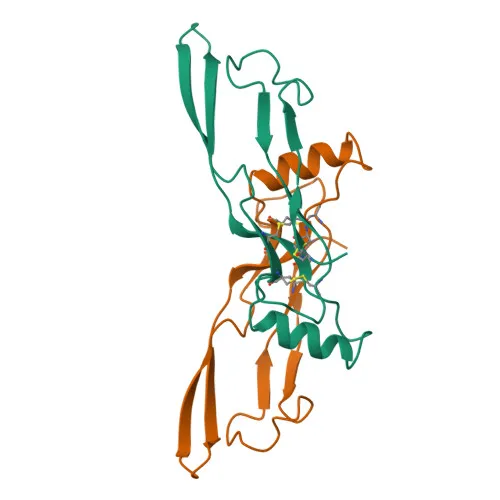
- BMP7 (bone morphogenetic protein 7), also known as osteogenic protein 1 (OP-1), is a secreted growth factor belonging to the TGF-beta superfamily, with key roles in embryogenesis, hematopoiesis, neurogenesis, and skeletal morphogenesis. Related references: PMID:31208997
- Canonical signaling is initiated when BMP7 binds to type I receptor ACVR1 and type II receptor ACVR2A, leading to phosphorylation of SMAD1/5/8 transcription factors that regulate target gene expression. Related references: PMID:12667445, PMID:9748228, PMID:12478285
- In specific processes like growth cone collapse and monocyte chemotaxis, BMP7 utilizes the alternative type II receptor BMPR2. Related references: PMID:31208997
- Non-canonical P38 MAP kinase signaling can be activated to drive brown adipocyte differentiation through SOX family transcription factors. Related references: PMID:27923061
- BMP7 promotes expression of the hepcidin gene HAMP; this induction is counteracted by the erythroid factor ERFE. Related references: PMID:30097509
- The protein is significantly expressed in kidney and bladder, with lower detection in brain. It contains a signal peptide, disulfide bonds, and N-glycosylation sites, consistent with its secretory nature.
Experimental Guidance and Technical Tips
- The immunogen corresponds to amino acids 70–251 of the BMP7 proprotein; therefore, the antibody may recognize both full-length pro-BMP7 and mature BMP7 forms after proteolytic processing. Consider assessing cleavage patterns in your experimental system.
- For Western blot analysis, use reducing conditions and load positive control lysates from kidney or bone tissue to observe a band near 49 kDa; additional bands from precursor or degradation products may be present.
- In IHC-P, antigen retrieval with citrate buffer (pH 6.0) is recommended, and staining should be validated using tissues known to express BMP7, such as kidney.
- For ELISA, the polyclonal antibody can serve as a capture or detection reagent; pairing with a specific monoclonal antibody may enhance sensitivity and reduce background.
CamelBio: Your One-Stop Sourcing Bridge
CamelBio offers a streamlined procurement platform for IVD raw materials, from validated antibody pairs to bulk ancillary reagents and specialized rare-target sourcing. Our BMP7 polyclonal antibody—ideal for investigations into TGF-beta signaling, bone morphogenesis, and developmental biology—exemplifies our commitment to providing reliable, high-quality immunoreagents for diagnostic and research applications. Contact CamelBio to explore how our one-stop supply chain solutions can accelerate your assay development from concept to clinic.
REQUEST A QUOTE
Our professional team will reply to you within one business day. Please feel free to contact us!