Polyclonal Antibodies
Anti-Bmi1 Polyclonal Antibody for WB, IP, ELISA - P35226
Item Number : CM0015782
Price varies based on specs and customizations
- Application
- WB, IP, ELISA
- Cross Reactivity
- Human, Mouse, Rat
- Protein Weight
- 37kDa

Shipping:
Contact us to get shipping details Enjoy On-time Dispatch Guarantee.
Why Choose Us
Easy ordering process, quality products, and dedicated support for your business success.
Core Product Specifications and Parameters
| Parameter | Value |
|---|---|
| Product Name | Bmi1 Rabbit pAb |
| Remarks/Alias | PCGF4; RNF51; FLVI2/BMI1; flvi-2/bmi-1; Bmi1 |
| Species | Human |
| Gene ID | 648 |
| Immunogen | Synthetic peptide | A synthetic peptide corresponding to a sequence within amino acids 200-300 of human Bmi1 (NP_005171.4). |
| Source | Rabbit |
| Category | Polyclonal Antibodies |
| Application | WB, IP, ELISA |
| Cross Reactivity | Human, Mouse, Rat |
| SWISS | P35226 |
| Protein Weight | 37kDa |
| Shipping | Ice bag |
Biological Background: Bmi1 Function and Localization
- Bmi1 (PCGF4/RNF51) is a core component of Polycomb repressive complex 1 (PRC1)-like complexes, which are essential for maintaining the transcriptionally repressed state of many developmental genes, including Hox gene clusters.
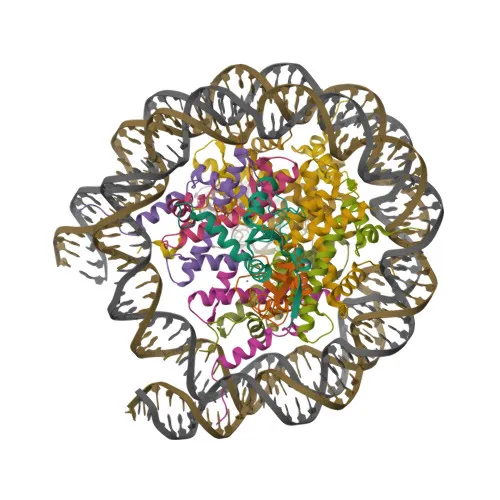
- The PRC1 complex mediates monoubiquitination of histone H2A at Lys-119, an epigenetic mark that renders chromatin heritably altered in its expressibility.
Related references: PMID:15386022, PMID:16359901, PMID:16714294 - Within the PRC1-like complex, Bmi1 specifically stimulates the E3 ubiquitin-protein ligase activity of RNF2/RING2 towards nucleosomal histone H2A.
Related references: PMID:15386022, PMID:21772249, PMID:26151332 - A minimal active complex composed of RNF2, the ubiquitin-conjugating enzyme UB2D3, and Bmi1 binds nucleosomes and exhibits substrate specificity exclusively for nucleosomal histone H2A.
Related references: PMID:21772249, PMID:25355358 - Bmi1 localizes predominantly in the nucleus but is also found in the cytoplasm, reflecting its chromatin-modifying functions and possibly other extranuclear roles.
- As a member of the Polycomb group RING finger protein family, Bmi1 contains a zinc-finger domain and is classified as a proto-oncogene, underscoring its importance in cell proliferation and stem cell maintenance.
Experimental Guidance and Technical Tips
- The immunogen corresponds to a C-terminal peptide (amino acids 200–300) of human Bmi1; consider verifying specificity with knockout or siRNA‑treated samples.
- In Western blotting, the expected molecular weight is approximately 37 kDa; optimize blocking and antibody dilution using positive control lysates (e.g., HeLa, HEK293T).
- For immunoprecipitation, the antibody may co‑precipitate interacting PRC1 components; include isotype controls and validate co‑IP conditions.
- ELISA performance should be assessed by comparing signal against known Bmi1‑positive and negative control samples.
- Due to polyclonal nature, lot‑to‑lot variability is possible; titrate antibody individually and confirm cross‑reactivity in mouse/rat models with appropriate controls.
CamelBio: Your One-Stop Sourcing Bridge
CamelBio serves as a comprehensive sourcing partner for IVD raw materials, offering this anti‑Bmi1 polyclonal antibody alongside validated antibody pairs, recombinant antigens, and ancillary reagents for epigenetic and oncology research. Our supply network includes optimized monoclonal/polyclonal antibodies, bulk ancillary reagents, and custom sourcing for rare targets, supporting your development from discovery to diagnostic applications.
REQUEST A QUOTE
Our professional team will reply to you within one business day. Please feel free to contact us!