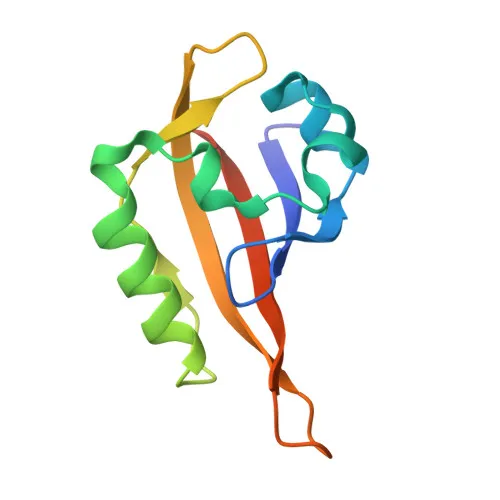
Monoclonal Antibodies
Anti-BMAL1 Monoclonal Antibody for WB, ELISA - O00327
Item Number : CM0005507
Price varies based on specs and customizations
- Application
- WB, ELISA
- Cross Reactivity
- Human, Mouse, Rat
- Protein Weight
- 69kDa

Shipping:
Contact us to get shipping details Enjoy On-time Dispatch Guarantee.
Why Choose Us
Easy ordering process, quality products, and dedicated support for your business success.
Core Product Specifications and Parameters
| Parameter | Value |
|---|---|
| Product Name | BMAL1 Rabbit mAb |
| Remarks/Alias | TIC; JAP3; MOP3; ARNTL; PASD3; ARNTL1; BMAL1c; bHLHe5; BMAL1 |
| Species | Human |
| GeneID (Human) | 406 |
| GeneID | 406 |
| Immunogen | Synthetic Peptide (A synthetic peptide corresponding to a sequence within amino acids 500-600 of human BMAL1 (O00327)) |
| Source | Rabbit |
| Category | Monoclonal Antibodies |
| Application | WB, ELISA |
| Cross Reactivity | Human, Mouse, Rat |
| SWISS | O00327 |
| Protein Weight | 69kDa |
| Shipping | Ice bag |
Biological Background: BMAL1 Function and Localization
- BMAL1 (Basic helix-loop-helix ARNT-like protein 1) is a transcriptional activator that forms a heterodimer with CLOCK or NPAS2 to activate transcription of genes containing E-box elements, serving as a core positive component of the circadian clock.
- The molecular circadian clock consists of interlocked transcription/translation feedback loops; CLOCK/NPAS2-BMAL1 heterodimers activate period (PER) and cryptochrome (CRY) genes, whose protein products repress CLOCK/NPAS2-BMAL1 activity, generating ~24-hour oscillations in gene expression.
- The CLOCK-BMAL1 heterodimer preferentially binds the E-box motif 5'-CACGTGA-3', with BMAL1 recognizing the 3' half-site 5'-GTGA-3'; it also recognizes non-canonical motifs 5'-AACGTGA-3' and 5'-CATGTGA-3'. Related references: PMID:23229515
- BMAL1 positively regulates myogenesis and negatively regulates adipogenesis via Wnt pathway genes; in pancreatic beta-cells, it controls glucose-stimulated insulin secretion through NRF2-mediated antioxidant gene expression, and it negatively regulates mTORC1 signaling.
- It promotes rhythmic chromatin opening and is essential for the rhythmic interaction of CLOCK with ASS1, positively regulating CLOCK-mediated acetylation of ASS1. Related references: PMID:28985504
- Additional functions include regulation of adult hippocampal neurogenesis, diurnal control of skeletal muscle metabolism (via DGAT2 and COQ10B), and rhythmic recruitment of Ly6C inflammatory monocytes through PRC2-mediated chemokine expression.
- Localizes to the nucleus, cytoplasm, and PML bodies; subject to post-translational modifications including phosphorylation, acetylation, and ubiquitination (isopeptide bond formation).
- Highly expressed in adult brain, skeletal muscle, heart, and hair follicles; also implicated in regulating SARS-CoV-2 entry and replication in lung epithelial cells.
Experimental Guidance and Technical Tips
- The immunogen is a synthetic peptide spanning amino acids 500–600 of human BMAL1; consider that epitopes may reside in variable or conserved regions. Validate species cross-reactivity in your specific experimental context.
- For Western blot (WB), the predicted protein weight is ~69 kDa; verify appropriate sample preparation and loading controls. Species reactivity is confirmed for human, mouse, and rat.
- For ELISA applications, optimize coating antigen and antibody dilution using standard checkerboard titrations. Note that protocol details (direct, indirect, sandwich ELISA) should be established empirically.
- Given the circadian nature of BMAL1 expression, consider time-of-day collection effects when designing experiments.
CamelBio: Your One-Stop Sourcing Bridge
CamelBio is your strategic sourcing partner for IVD raw materials, providing validated antibody pairs, optimized monoclonal and polyclonal antibodies, and bulk ancillary reagents to accelerate diagnostic development. The BMAL1-targeted reagent serves the growing demand in circadian rhythm, metabolic disorder, and inflammation research. Leverage our reliable supply network and technical expertise to seamlessly bridge from concept to clinic.
REQUEST A QUOTE
Our professional team will reply to you within one business day. Please feel free to contact us!