Polyclonal Antibodies
Anti-BIN1 Rabbit Polyclonal Antibody for WB, IHC-P, IF/ICC, ELISA - O00499
Item Number : CM0020810
Price varies based on specs and customizations
- Application
- WB, IHC-P, IF/ICC, ELISA
- Cross Reactivity
- Human, Rat
- Protein Weight
- 65kDa

Shipping:
Contact us to get shipping details Enjoy On-time Dispatch Guarantee.
Why Choose Us
Easy ordering process, quality products, and dedicated support for your business success.
Core Product Specifications and Parameters
| Parameter | Value |
|---|---|
| Product Name | BIN1 Rabbit pAb |
| Remarks/Alias | CNM2; AMPH2; AMPHL; SH3P9; BIN1 |
| Species | Human |
| GeneID (Human) | 274 |
| GeneID | 274 |
| Immunogen | Recombinant protein; Recombinant fusion protein containing a sequence corresponding to amino acids 230-409 of human BIN1 (NP_647601.1). |
| Source | Rabbit |
| Category | Polyclonal Antibodies |
| Application | WB, IHC-P, IF/ICC, ELISA |
| Cross Reactivity | Human, Rat |
| SWISS | O00499 |
| Protein Weight | 65kDa |
| Shipping | Ice bag |
Biological Background: BIN1 Function and Localization
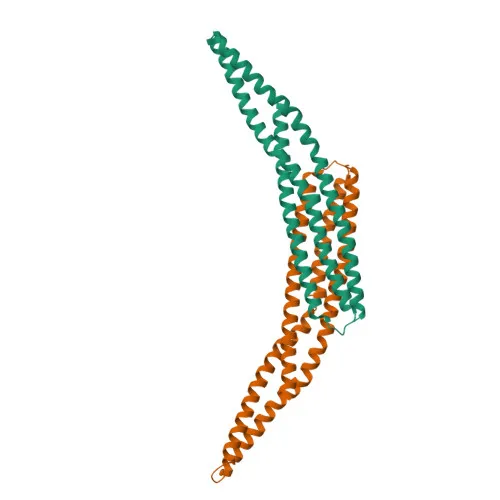
- BIN1 (Myc box-dependent-interacting protein 1), also known as Amphiphysin II, is a member of the amphiphysin/BIN family. It contains an SH3 domain and coiled-coil regions, and undergoes alternative splicing to generate tissue-specific isoforms (e.g., brain-specific isoform IIA).
- Functions as a key regulator of plasma membrane curvature and remodeling, essential for T-tubule formation in muscle cells (PubMed:24755653). Related references: PMID:24755653
- Acts as a negative regulator of endocytosis and is involved in intracellular vesicle sorting, including modulation of BACE1 trafficking and amyloid-beta production (PubMed:27179792). In neurons, this may influence internalization of tau aggregates. Related references: PMID:27179792
- May regulate MYC activity and cell proliferation through direct interaction (PubMed:8782822). Related references: PMID:8782822
- Exhibits actin bundling activity and stabilizes actin filaments against depolymerization in vitro (PubMed:28893863). Related references: PMID:28893863
- Subcellularly, BIN1 localizes to the nucleus, cytoplasm, endosomes, and plasma membrane, including the sarcolemma and T-tubules in muscle cells.
- Ubiquitously expressed with highest levels in brain and muscle; isoform IIA is restricted to brain gray matter.
Experimental Guidance and Technical Tips
- For western blotting, expect a band at approximately 65 kDa. Validate detection in relevant sample systems (e.g., brain, muscle, or cell lines).
- For immunohistochemistry (IHC-P) and immunofluorescence (IF/ICC), optimize antigen retrieval and include appropriate negative controls to confirm tissue-specific staining.
- The immunogen (aa 230–409) covers a region shared by several isoforms; consider verifying isoform specificity if differential expression is critical to the study.
- As a polyclonal antibody, titration is recommended for each new application and lot. Cross-reactivity with rat is confirmed; homology of the immunogen sequence should be checked for other species.
CamelBio: Your One-Stop Sourcing Bridge
CamelBio connects diagnostic manufacturers, laboratories, and research institutes with a comprehensive portfolio of IVD raw materials, from validated antibody pairs and bulk ancillary reagents to rare-target sourcing. For studies on membrane dynamics, endocytosis, or neuromuscular disorders, our team supports every stage—from concept to clinic—helping you secure the high-quality reagents you need efficiently. Contact us to discuss your custom sourcing and procurement requirements.
Product Datasheet
Anti-BIN1 Rabbit Polyclonal Antibody for WB, IHC-P, IF/ICC, ELISA - O00499
REQUEST A QUOTE
Our professional team will reply to you within one business day. Please feel free to contact us!