Monoclonal Antibodies
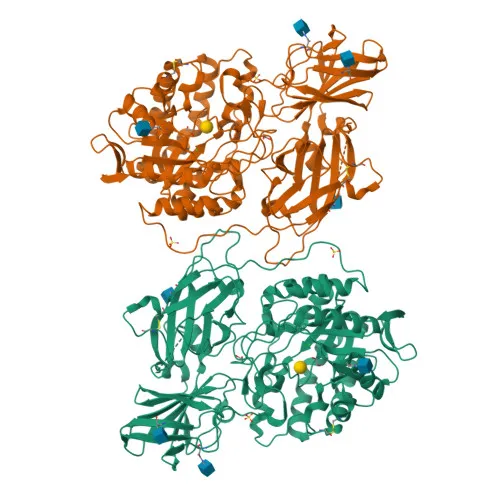
Anti-Beta-galactosidase (GLB1) Rabbit Monoclonal Antibody for WB, IHC-P, ELISA - P16278
Item Number : CM0007386
Price varies based on specs and customizations
- Application
- WB, IHC-P, ELISA
- Cross Reactivity
- Human, Rat
- Protein Weight
- 60kDa/72kDa/76kDa

Shipping:
Contact us to get shipping details Enjoy On-time Dispatch Guarantee.
Why Choose Us
Easy ordering process, quality products, and dedicated support for your business success.
Core Product Specifications and Parameters
| Parameter | Value |
|---|---|
| Product Name | Beta-galactosidase (GLB1) Rabbit mAb |
| Remarks/Alias | GLB1; EBP; ELNR1; MPS4B; beta-galactosidase |
| Species | Human |
| Gene ID (Human) | 2720 |
| Immunogen | Recombinant protein of human Beta-galactosidase (GLB1). |
| Source | Rabbit |
| Category | Monoclonal Antibodies |
| Application | WB, IHC-P, ELISA |
| Cross Reactivity | Human, Rat |
| SWISS | P16278 |
| Protein Weight | 60kDa/72kDa/76kDa |
| Shipping | Ice bag |
Biological Background: Beta-galactosidase Function and Localization
- Protein identity and isoforms: Beta-galactosidase (GLB1), also known as acid beta-galactosidase or elastin receptor 1, is encoded by the GLB1 gene. Multiple isoforms arise from alternative splicing, yielding protein products of approximately 60–76 kDa.
- Enzymatic function: Acts as a lysosomal glycosyl hydrolase, cleaving terminal beta-linked galactose residues from gangliosides, glycoproteins, and glycosaminoglycans.
- Non-enzymatic chaperone role: Functions independently of its catalytic activity as the elastin-binding protein (EBP), a major cell surface receptor involved in elastic fiber assembly. It binds tropoelastin intracellularly and facilitates its secretion and incorporation into elastic fibers.
- Gene family and disorders: Belongs to the glycosyl hydrolase 35 family. Mutations in GLB1 cause GM1-gangliosidosis and mucopolysaccharidosis type IVB (Morquio B), highlighting its critical role in lysosomal catabolism.
- Subcellular localization: Primarily located in lysosomes, but also detected in the cytoplasm with perinuclear enrichment, consistent with its dual enzymatic and trafficking roles.
- Post-translational modifications: The protein is glycosylated and contains disulfide bonds. It is synthesized as a zymogen with a signal peptide that is cleaved during maturation.
- Tissue expression: Detected at the protein level in placenta, fibroblasts, and testis, reflecting its broad relevance in connective tissue biology and lysosomal function.
Experimental Guidance and Technical Tips
- The immunogen is a recombinant human GLB1 protein, so the antibody may recognize multiple isoforms, including those with catalytic and elastin-binding functions.
- In Western blot, expect bands between 60 and 76 kDa; variations may occur due to alternative splicing and glycosylation. Use a positive control such as placental or fibroblast lysate.
- For immunohistochemistry (IHC-P), test on tissues with known GLB1 expression (e.g., placenta or testis) and optimize antigen retrieval as needed.
- Consider cross-reactivity with rat samples, as stated, but validate reactivity in your specific model system.
CamelBio: Your One-Stop Sourcing Bridge
CamelBio supports diagnostic manufacturers, laboratories, and research institutes by providing one-stop access to a wide range of IVD raw materials, including validated antibodies, recombinant proteins, and ancillary reagents. For Beta-galactosidase (GLB1), a key target in lysosomal storage disease and elastin biology research, we offer high-quality monoclonal antibodies and can assist with sourcing rare raw materials, custom antibody development, and technical consultation to help streamline your assay development from concept to clinic.
Product Datasheet
Anti-Beta-galactosidase (GLB1) Rabbit Monoclonal Antibody for WB, IHC-P, ELISA - P16278
REQUEST A QUOTE
Our professional team will reply to you within one business day. Please feel free to contact us!