Polyclonal Antibodies
Anti-BDNF Rabbit Polyclonal Antibody for WB, ELISA - P23560
Item Number : CM0022466
Price varies based on specs and customizations
- Application
- WB, ELISA
- Cross Reactivity
- Human, Mouse, Rat
- Protein Weight
- 28kDa

Shipping:
Contact us to get shipping details Enjoy On-time Dispatch Guarantee.
Why Choose Us
Easy ordering process, quality products, and dedicated support for your business success.
Core Product Specifications and Parameters
| Parameter | Value |
|---|---|
| Product Name | BDNF Rabbit pAb |
| Remarks/Alias | ANON2; BULN2; BDNF |
| Species | Human |
| GeneID (human) | 627 |
| GeneID | 627 |
| Immunogen | Recombinant fusion protein containing a sequence corresponding to amino acids 20-247 of human BDNF (NP_733928.1). |
| Source | Rabbit |
| Category | Polyclonal Antibodies |
| Application | WB, ELISA |
| Cross Reactivity | Human, Mouse, Rat |
| SWISS | P23560 |
| Protein Weight | 28kDa |
| Shipping | Ice bag |
Biological Background: BDNF Function and Localization
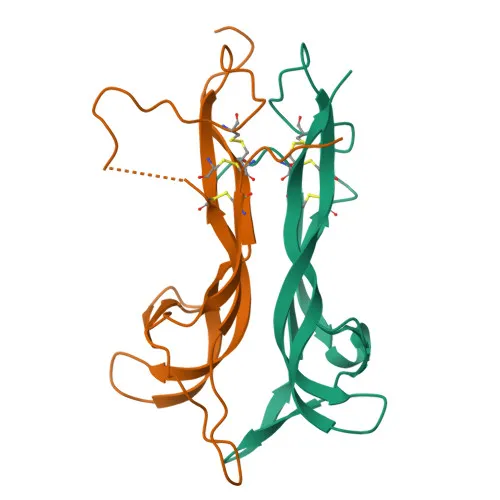
- BDNF (Brain-derived neurotrophic factor), also known as Abrineurin, is a secreted neurotrophin that exists as a precursor protein and is cleaved to yield the mature growth factor.
- It is a major regulator of neuronal development, promoting survival and differentiation of peripheral and central neurons, and plays critical roles in axonal and dendritic growth and morphology.
- BDNF binds and activates the NTRK2 receptor, initiating signaling cascades that modulate synaptic plasticity, including long-term potentiation (LTP), long-term depression (LTD), and short-term synaptic plasticity. Related references: PMID:11152678
- Through the heterodimeric receptor formed by NGFR and SORCS2, BDNF regulates LTD and promotes neuronal apoptosis, and contributes to growth cone collapse. Related references: PMID:24908487 PMID:29909994
- BDNF is a glycosylated, disulfide-linked protein that is proteolytically processed at a pair of basic residues. Its secretion is mediated by a classical signal peptide.
- The protein is predominantly expressed in the brain, with highest levels in the hippocampus, amygdala, cerebral cortex, and cerebellum, but is also found in peripheral tissues including heart, lung, skeletal muscle, testis, prostate, and placenta, and is detectable in blood plasma and saliva.
- BDNF has been implicated in a range of adaptive neuronal responses and is essential for homeostatic regulation of neuronal excitability.
Experimental Guidance and Technical Tips
- The immunogen spans amino acids 20–247 of human BDNF (pro-region plus mature domain); consider that this antibody may recognize both the ~28 kDa precursor and the ~14 kDa mature form. Validate size specificity in your sample system.
- For Western blotting, enrich BDNF by using tissue lysates from brain (hippocampus, cortex) or conditioned media from neuronal cultures. Titrate antibody concentration to minimize background.
- In ELISA, pair this polyclonal antibody with a BDNF-specific monoclonal or use recombinant BDNF as a quantitation standard. Include appropriate cross-reactivity controls when working with mouse or rat samples.
- Given the secreted nature of BDNF, sample preparation (e.g., serum, plasma, or cell supernatants) may require optimization for signal detection.
CamelBio: Your One-Stop Sourcing Bridge
CamelBio offers diagnostic developers and research labs streamlined access to neurotrophin-targeted raw materials, including BDNF antibodies and recombinant proteins. From single-reagent sourcing to full immunoassay kits, CamelBio bridges your workflow from early R&D through clinical application—leveraging a global supply network to deliver validated, scalable raw materials.
REQUEST A QUOTE
Our professional team will reply to you within one business day. Please feel free to contact us!